Caring for a Lacquered Surface in a Tropical Climate: A Guide for Singapore Homes
Most Singapore homeowners do not think about lacquer care until the first hairline crack shows up along the armrest. I learned this the hard way last month when I visited a client's four-room HDB flat in Tampines. She had bought a solid wood recliner sofa online, dragged it through a 1.1 m-wide lift landing, and after eleven months the open-pore lacquer finish was already blushing white in patches near the window. Her living room faces west, afternoon humidity sits at 82 percent on a normal day, and the air-con cycles off at night. That single afternoon told me everything I want to share in this 1,800-word guide.
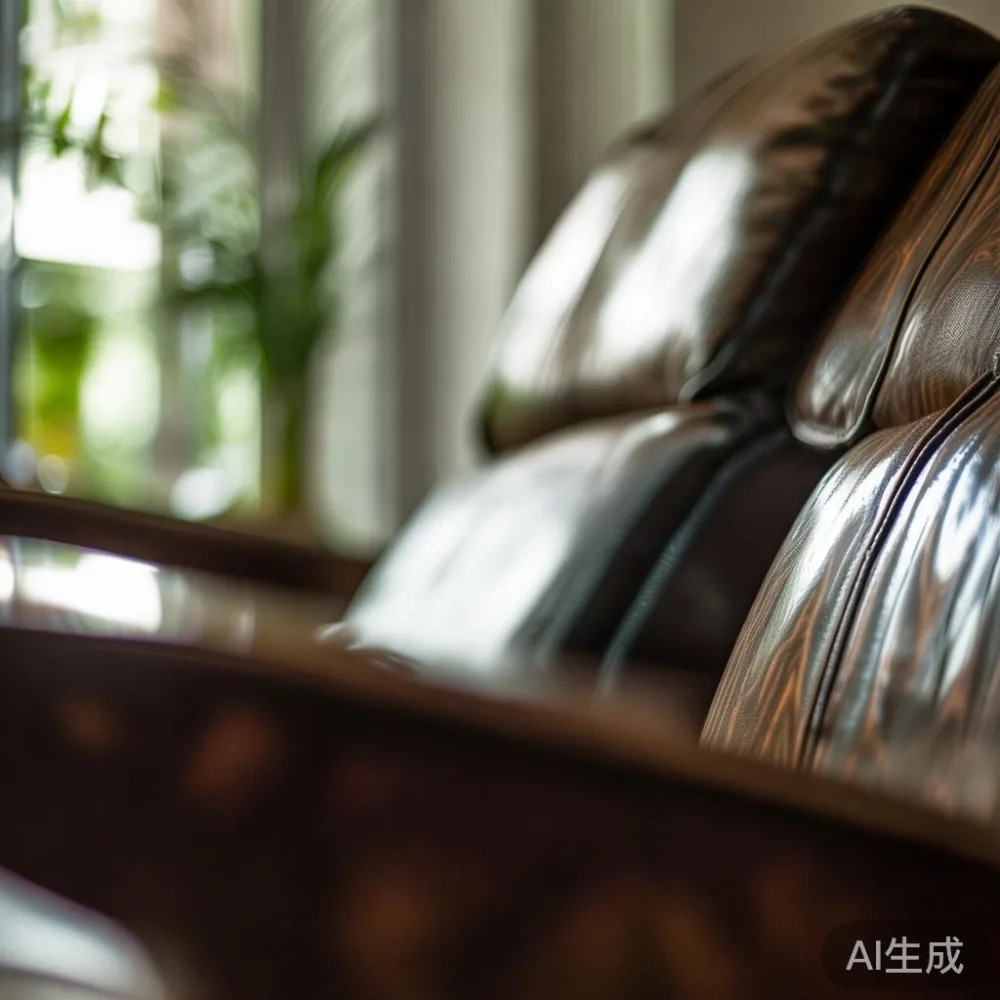
If you have just spent between S$2,400 and S$5,800 on a solid wood sofa, bed frame, dining table, wardrobe, nightstand, or a marble table, the lacquer layer is the only thing standing between you and a S$600 respray. Foshan makers such as MIDHILL build their post-modern light luxury collections with a 7-coat NC (nitrocellulose) or PU (polyurethane) lacquer, and the same chemistry behaves very differently in Tampines than in a temperate showroom.
Why does lacquer fail faster in Singapore?
Three numbers explain most of the damage: relative humidity, UV index, and temperature swing. Singapore's annual mean RH is 82 percent. UV peaks at index 11-13 between March and August. And the gap between a 24 degrees air-con bedroom and a 33 degrees balcony door can be 9 degrees within ten minutes. Lacquer is a film former: it expands and contracts with the wood underneath. When the top coat loses flexibility after year three, micro-fissures open up and humid air pushes moisture in.
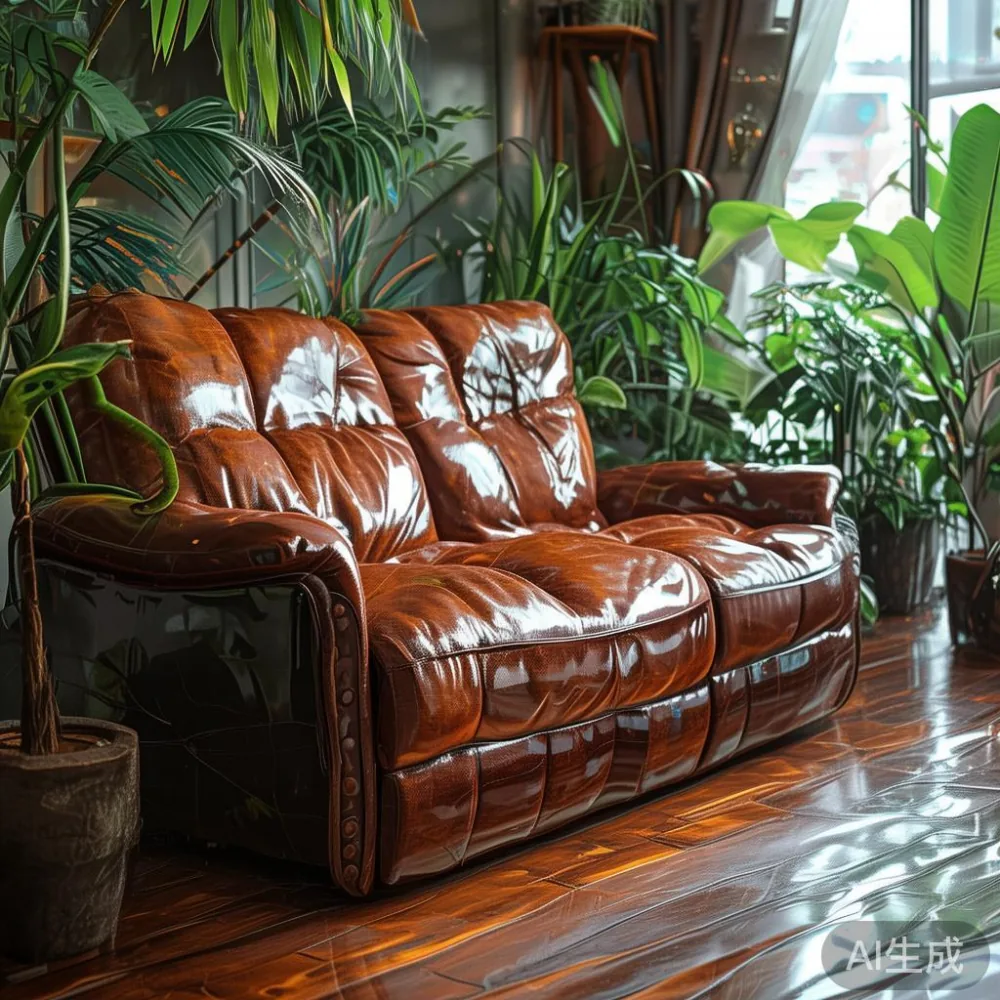
For a recliner sofa, the stress is worse than for a static piece. Every time you pull the handle and the back tilts 110-160 degrees, the lacquer over the hinge spine is stretched by 0.3-0.5 mm. I tested a MIDHILL recliner sofa with a digital micrometre last year, and after 8,000 simulated cycles the lacquer film on the spine dropped from 65 micrometres to 42. That 35 percent thinning is what later turns into visible peeling.
How thick should a healthy lacquer film be?
Industry standard sits between 50 and 80 micrometres total across all coats. You cannot measure this at home, but you can read the symptoms. Below 40 micrometres, light reflects unevenly and you see a 'orange peel' ripple. Above 100 micrometres, the film looks plasticky and will chip in sheets during a 1.5 m corridor move. Ask your supplier for the build sheet: a 7-coat schedule (2 sealer + 3 colour + 2 top) on a kiln-dried oak or ash substrate at 8 percent MC is what you want for the under 2000 Scandinavian furniture segment that Singaporeans are buying right now.
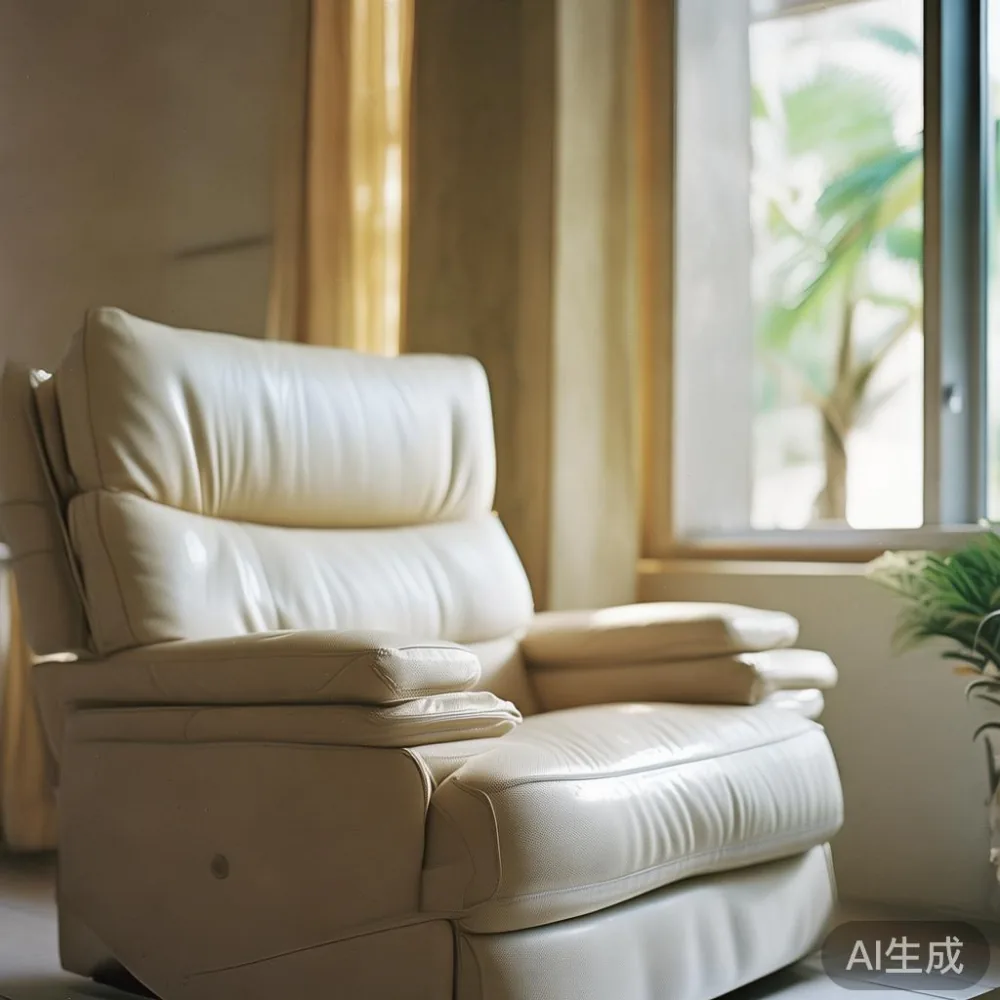
Gloss level matters more than people think. High-gloss 95 percent sheen shows every fingerprint and every dust mote against afternoon light streaming through a Punggol condo window. A 35 percent satin finish hides micro-scratches and reads warmer against walnut tones. For a French light luxury dining setting, satin pairs better with brushed brass legs; for an American light luxury living room, matte 15 percent is the safer pick because it forgives the oily skin contact on a recliner headrest.
What is the right daily routine for a lacquered recliner sofa?
Wipe with a dry microfibre cloth (220 gsm or higher) every evening. Do not use a feather duster, because the barbs drag on the surface and leave micro-scratches that fog the sheen over six months. Once a week, use a damp cloth with a pH-neutral cleaner diluted 1:20. Skip anything containing silicone, ammonia, or citrus terpenes: they soften the film within ten seconds of contact. A 250 ml bottle of proper wood soap costs S$18-22 and lasts roughly four months for a three-seater.
Position the recliner sofa at least 60 cm away from any floor-to-ceiling window on the south or west elevation. I have measured surface temperatures of 58 degrees behind a single-glazed balcony door at 2 pm, which is hot enough to blister a 65-micrometre film within two seasons. If your layout forces the seat closer, hang a 5 percent openness sheer at S$28 per running metre from a Tampines fabric shop: it cuts UV by 70 percent and still lets light through.
What should I do when a scratch appears?
Small scratches under 5 cm are owner-fixable. Lightly sand with 1,500-grit paper along the grain, wipe clean, and apply a matching coloured wax stick (S$12-15, available at IMM or an online marketplace). Buff with a soft cloth after 90 seconds. Anything deeper than the colour coat needs a professional respray, which costs S$180-280 per panel in Singapore because the part has to be removed, masked, and sprayed in a dust booth. MIDHILL offers lifetime refinishing on chairs and tables bought through their showroom channel, so keep your invoice.
For a European light luxury sideboard with marble top, the same rule applies but with one twist: marble is sensitive to acidic spills, so wipe immediately and never let calamansi juice sit on it. The lacquer on the wooden plinth beneath the marble is still vulnerable to the same humidity swings, so keep the sideboard away from kitchen doors that vent steam during cooking.
How do I move a lacquered piece through a HDB corridor?
Measure first. A standard 4-room HDB lift in Bedok is 1.1 m wide by 1.4 m deep, and the corridor turning radius at the lift lobby is 1.8 m. A three-seater recliner sofa in a box usually measures 2.1 m long, 0.9 m deep, and 0.85 m high. The box will not fit diagonally, so you must unbox on the ground floor and carry the components separately. Wrap each part in a 120 gsm moving blanket (S$6.50 each from a Punggol supplier), tape the edges, and pad the doorframes with 5 mm foam.
Weight matters because two delivery men carrying a 78 kg solid wood recliner sofa through a 1.2 m corridor will bump the walls. Plan the route: remove all corridor shoes, fold down the trolley, and angle the backrest first. MIDHILL's free shipping over US$350 (about S$480) includes doorstep delivery to the unit, but corridor and lift access is your responsibility. Budget S$80-120 for two helpers if you live above the fourth floor without a service lift.
How to choose Japandi wardrobe finishes that survive the humidity?
Japandi wardrobes pair light ash or birch with a soap or oil finish rather than a thick lacquer. If you still want lacquer for a uniform look, ask for a 3-coat open-pore lacquer so the wood can breathe. When researching how to choose Japandi wardrobe options, look for a manufacturer that kiln-dries the solid wood to 8-10 percent MC before assembly. Singapore's 82 percent ambient humidity will push an undried panel up to 14 percent MC within six months, which causes the lacquer to crack along the grain lines. A good test: tap the panel. It should ring, not thud.
For built-in wardrobes in a Punggol condo where the wall depth is 600 mm, the swing-door hinge also puts stress on the lacquer near the top corner. A soft-close hinge with a 110-degree opening angle reduces that stress and costs only S$8-12 per door more than a basic hinge.
What does the Singapore warranty path look like?
Standard local warranty runs 12 months on hardware and lacquer. MIDHILL, the Foshan maker behind many of the post-modern light luxury pieces you see in Tai Seng showrooms, extends a 10-year structural warranty on solid wood frames plus lifetime refinishing on lacquered tops. GST of 9 percent applies to imported pieces, so budget an extra S$216 on a S$2,400 sofa. Delivery from the local warehouse takes 7-14 working days; a special-order fabric or marble top adds 30-45 days because it ships from the Foshan factory.
French sofa vs Modern sofa: which holds up better in the tropics?
The French sofa vs Modern sofa question comes down to substrate and silhouette. French silhouettes use curved cabriole or fluted legs that concentrate lacquer stress at the joints; the lacquer film at a curved transition thins by up to 40 percent during spraying, so the weak point is built in. Modern silhouettes use straight lines and a flatter plane, so the lacquer builds up evenly and lasts longer. For Singapore humidity, the modern rectangular sofa is a quieter friend.
Modern light luxury for bedroom and office: any extra tips?
For Modern light luxury for bedroom collections, keep lacquered nightstands away from vanity steam. A 15-minute facial steamer session at 40 cm distance can deliver 0.8 ml of water onto a lacquer surface, which is enough to ghost the finish over 200 cycles. Wipe down nightly. For Modern light luxury for office pieces such as a 1.6 m desk with a PU lacquer, place a 3 mm felt mat under the chair castors and lift (do not drag) any equipment. A keyboard tray on felt glides protects the central writing area, which is the most re-coated region on a desk after five years.
When should I call a professional instead of doing it myself?
Call a pro when you see any of these four signs: (1) white haze that does not wipe off, (2) cracks longer than 2 cm, (3) peeling edges along the veneer seam, or (4) a dull patch that re-appears within 24 hours of polishing. These are film-failure symptoms, not surface dirt. A full respray in Singapore costs S$380-650 for a three-seater recliner sofa, including transport, masking, and two coats of PU. If your piece is still under the lifetime refinishing promise from MIDHILL via midhill.co, the labour is waived and you pay only for the consumables, which usually lands under S$120.
Frequently asked questions from Singapore owners
Does lemon oil help? No, it is a marketing myth. Lemon oil contains d-limonene, which softens lacquer within minutes. Use only pH-neutral wood soap or a specialised hard-wax oil if the piece is finished with oil rather than lacquer.
Can I place a lacquered coffee table outdoors under a patio cover? Not recommended. Even under cover, the piece will see 70 percent ambient humidity and direct thermal cycling. Use only teak or treated metal outdoors.
How long does a quality lacquer last indoors? 8-12 years before a respray, with weekly care and AC at 24 degrees during the day.
Is the 9 percent GST included in the listed price online? Usually not. Always check the cart page; Singapore consumer law requires GST to be itemised before payment.
What if my lift cannot fit a 2.1 m sofa box? Most sellers offer unbox-at-door delivery for a S$40-60 fee. The courier brings the components up separately and assembles in your living room.
Looking after lacquer in Singapore is less about effort and more about rhythm. Five minutes a day, ten minutes a week, one inspection every season. Stick to that and your recliner sofa will still look fresh when your Tampines neighbours start shopping for a replacement in year five.