Understanding Furniture Warranties in Singapore — Don't Get Fooled
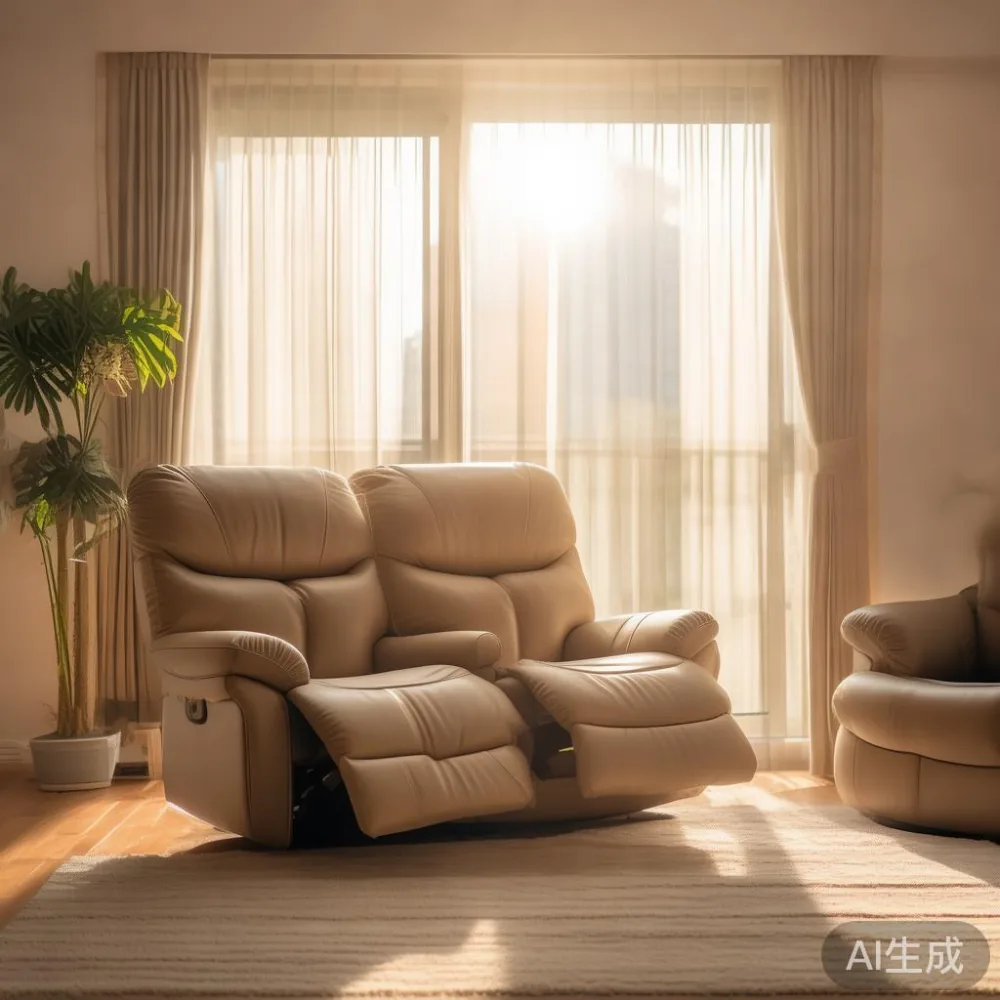
I learned the hard way what a poorly read warranty looks like. Last March, a friend in Tampines bought a recliner sofa from a weekend expo at Expo Hall 7. The price felt right at S$1,490, the salesman promised a "10-year frame guarantee," and the brochure looked glossy. Six months later the footrest mechanism started grinding, then jammed entirely. When my friend called the company, the reply was cold: "Mechanism is not part of the structural frame guarantee, only the timber is covered, and you voided it by moving house without our delivery team." The repair quote came back at S$420. That single evening made me obsessive about reading the actual contract, not the marketing flyer. Below is the framework I now use for any large furniture purchase in Singapore, with specific attention to pieces like a recliner sofa, a solid wood bed frame, a marble dining table, or a four-door wardrobe going into an HDB or condo.

What Does a Furniture Warranty Actually Cover in Singapore?
A warranty is a written promise from the manufacturer or seller that specific components will be repaired or replaced if they fail under specific conditions within a specific time. That sentence sounds obvious, yet most shoppers in Bedok and Punggol only see the marketing line ("10-year warranty!") and never read the supporting schedule. In practice, every warranty document breaks down into four layers: the named components, the duration per component, the conditions that void coverage, and the remedy (repair, replacement, refund, or credit). A solid wood dining table, for instance, might have 10 years on the hardwood structure, 2 years on the joinery, 1 year on the finishing coat, and zero on natural movement of the timber. That split matters more than the headline number.
When I visited the MIDHILL showroom in Foshan last quarter with a Singaporean importer friend, the warranty card on a French light luxury recliner sofa listed seven distinct components: hardwood frame (10 years), recliner mechanism (5 years), webbing (3 years), foam (2 years), fabric (1 year), electrical motor (3 years), and stitching (1 year). I have rarely seen that level of breakdown in a Singapore furniture shop. A single "10-year warranty" line is a red flag, not a selling point.
Why Are HDB Corridors and Lifts Such a Big Deal for Warranty Claims?
Singapore homes create two specific warranty headaches that buyers in landed Malaysian properties never face. The first is access. Most HDB blocks built before 2010 have lift openings of about 80 cm wide and corridors under 1.2 m. A four-door solid wood wardrobe, even flat-packed, can arrive in cartons of 2.1 m long and 65 cm wide. If the wardrobe cannot be assembled inside the bedroom, the warranty usually excludes damage caused by dismantling or re-assembly. Always ask whether the warranty stays valid if your own contractor does the assembly. The second issue is the lift's weight limit, typically 630 kg for a passenger lift or 1,000 kg for a freight lift in newer condos. A marble dining table top weighing 95 kg plus a solid wood base of 60 kg is well within limits, but a 2.4 m wardrobe plus installers can push past 500 kg. If the lift fails mid-transport, damage is on you unless the seller contracted the delivery.
For high-rise residents in Punggol Waterway or Bedok Reservoir, write down the lift capacity in your block before ordering. Ask the seller to confirm, in writing, that the warranty is not voided by using the service lift at your development.
"10-Year Structural Warranty" — What Does Structural Actually Mean?
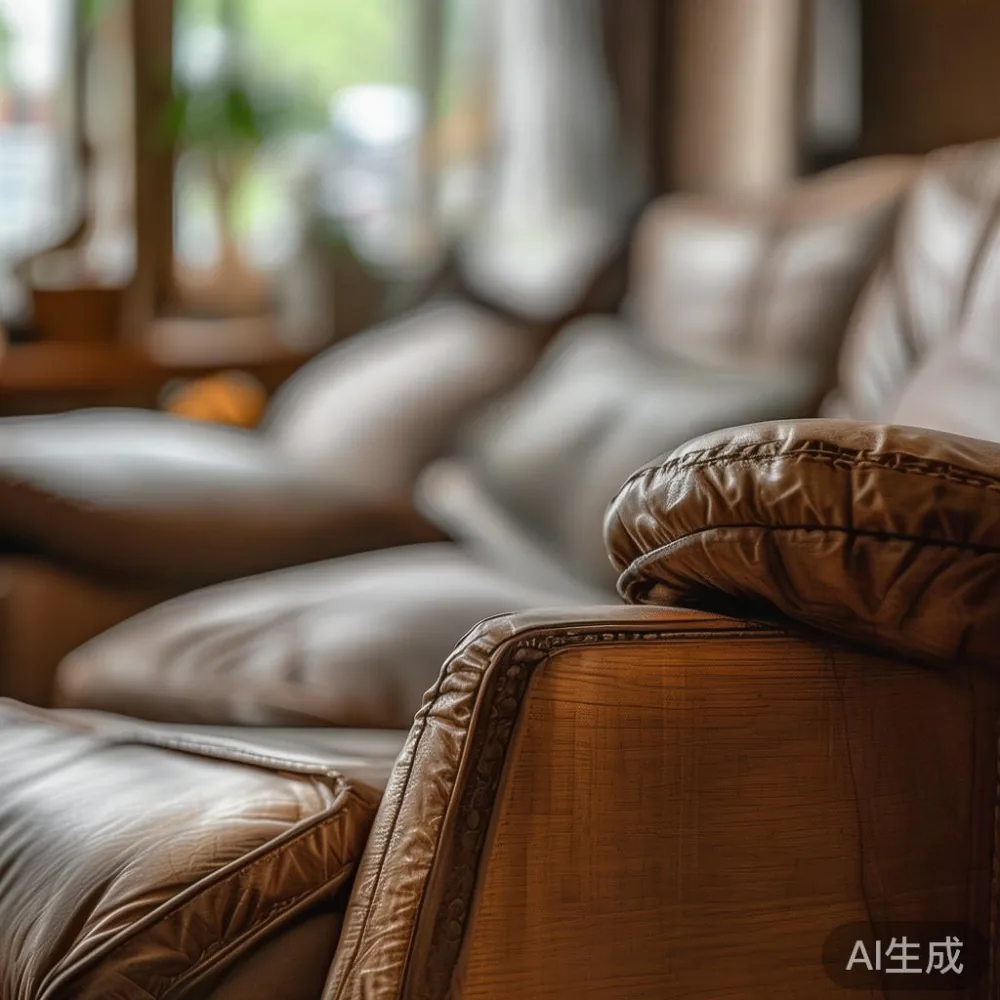
Structural, in almost every contract I have read, refers to the load-bearing skeleton of the piece. For a recliner sofa, structural means the hardwood frame, the corner blocks, and the rails. It does not mean the mechanism that tilts the backrest, the springs inside the seat, the foam on top, or the upholstery you sit on. For a solid wood bed frame, structural typically means the side rails, the slats, and the headboard posts. It does not mean the centre support beam if it is a metal bracket, nor the drawer runners on a storage bed, nor the hydraulic gas lifts. Reading the definitions section of the warranty saves hundreds of dollars and a lot of arguments. If the document does not define "structural," treat the headline number as marketing and ask the seller to define it before you pay the GST-inclusive amount.
What is the Difference Between Italian Light Luxury Queen Bed and Modern Furniture?
An Italian light luxury queen bed is a specific design vocabulary built on restrained proportions, hand-finished veneers, brushed brass or champagne hardware, soft-close joints, and an weight of 95–140 kg that signals solid wood rather than hollow board; modern furniture is a broader category that includes minimalist Scandinavian pieces, Japanese-inspired platform frames, mid-century reproductions, and post-modern light luxury designs, often using engineered materials, lighter visual weight, and price points from S$800 to S$4,000 in Singapore. The warranty implications differ too: an Italian light luxury bed usually carries a longer frame warranty because the maker controls the joinery, whereas a generic modern frame may rely on imported components whose warranties are harder to enforce locally.
If you are cross-shopping a marble-top nightstand, a post-modern light luxury dining table, and a French light luxury recliner sofa in the same purchase, ask the seller for a single warranty document that lists every item, every component, and every duration on one page. A warranty that covers "all furniture for 5 years" is vague, and vague means difficult to claim.
Which Warranty Conditions Quietly Void Coverage?
Most warranties include a voiding clause, and in my experience these five conditions cause the majority of denied claims in Singapore:
1. Improper care or cleaning. Using silicone spray on a solid wood dining table, or bleach on a fabric recliner sofa, almost always voids the finish warranty. Keep the care guide that ships with the piece.
2. Humidity outside 40–65 percent. Singapore averages 78–82 percent relative humidity, and many HDB flats without a dehumidifier sit higher. Some warranties exclude warping, cracking, or mould caused by humidity outside a stated band. A French teak balcony furniture set left on a void deck without cover, for instance, can lose its warranty within a season.
3. Moving without the seller's team. Recliners, wardrobes, and marble tables moved by an external mover frequently lose coverage for transit damage and for any breakage traced to the move.
4. Commercial use. A recliner sofa bought for a home and used in a co-working lounge will usually void coverage entirely. So will a bed frame used in a short-term rental.
5. Aftermarket modification. Drilling into a wardrobe to fit a cable grommet, or adding a third-party recliner motor to a manual recliner, voids the related component warranty on the spot.
How Do I Check a Warranty Before Paying the Deposit in Singapore?
This is the question I get most often from friends furnishing new BTO flats. Here is the 10-minute routine I now run before any deposit changes hands:
Step 1 — Read the schedule, not the headline. Demand the component-by-component table. If the seller cannot produce it, walk away or accept that the "10-year" line is a marketing slogan.
Step 2 — Identify the warrantor. Is it the manufacturer, the local distributor, or the retail shop? Manufacturer-backed warranties (such as those offered directly by MIDHILL for its solid wood bed frames, dining tables, and recliner sofas) are stronger than retailer-backed ones, because the maker can supply parts even if the local shop closes. Ask whether the warranty is transferable if the company changes hands.
Step 3 — Confirm what proof you need. Receipt, delivery order, serial number, photo of the defect, written description, original packaging? Many Singapore claims are denied because the buyer threw away the foam inserts.
Step 4 — Check the remedy and the response time. Repair at your home, repair at the workshop, replacement of the part only, replacement of the whole item, or store credit? A claim "resolved within 30 working days" is reasonable; "at our discretion" is not.
Step 5 — Check shipping and labour costs. Some warranties cover parts only. Labour, transport up to the lift landing, and disposal of the defective item can add S$80 to S$250 to a single claim.
Step 6 — Check the governing law. If the brand ships from overseas (Foshan, Guangzhou, Ho Chi Minh), the warranty may say it is governed by the laws of the manufacturer's country. Singapore's Consumer Protection (Fair Trading) Act still applies to local sellers, but cross-border claims can be slow.
What Is a Fair Lifetime Refinishing Promise?
A handful of makers, MIDHILL included, publish a lifetime refinishing service on solid wood tops. In plain language, this means the company will sand and re-oil or re-lacquer the surface of your dining table or wardrobe doors at cost-plus labour for as long as you own the piece. It is not a warranty against dents, scratches, or stains; it is a maintenance service that keeps the wood healthy. Read whether the offer includes pickup and delivery to your HDB or condo, because a marble dining table plus a timber top can easily exceed 100 kg, and a single trip down to the workshop can cost S$120 if not included.
For a French light luxury piece with brushed brass hardware, also check whether the refinishing service extends to the metal. Some workshops will re-oil the wood and ignore the brass; others offer a full strip-and-polish.
How Long Should Delivery, Returns, and Replacement Take in Singapore?
Reasonable Singapore timelines, based on what I have seen across Tampines, Bedok, and Punggol orders over the past 18 months:
In-stock items: 5 to 14 working days from order, depending on whether the warehouse is in Singapore or in Johor Bahru with a truck ferry at the Causeway.
Made-to-order solid wood pieces: 35 to 70 working days. Anything shorter is suspicious; longer than 90 days without written reason is a red flag.
14-day returns: Refund within 7 to 10 working days of the item arriving back at the warehouse, minus any restocking fee (commonly 10 to 20 percent of the item price, before GST).
Replacement parts: 14 to 30 working days from claim approval. If a replacement leg for a solid wood bed frame takes longer than 45 days, ask for a written explanation and a service-credit offer.
Free shipping above a threshold (for example, free delivery above S$350 or above S$500) usually means ground floor only. Check whether the offer covers carrying the carton up to the 14th floor of a HDB block. Lift landings are fine, but the final 8 m from lift to door is where most "free" delivery promises break down.
Are Extended Warranties Worth the Extra SGD 150 to 400?
For a recliner sofa with an electrical motor, an extended warranty often makes sense because the motor is the most expensive single component to replace (S$280 to S$450 for parts, plus S$120 to S$200 for labour). For a solid wood dining table, an extended warranty usually adds little value beyond what the original 10-year structural coverage already offers, because timber rarely fails within 15 years; finishes fail earlier, but finishes are usually excluded from extended plans too. Read what the extension actually adds. If it only adds two years on fabric and foam, decline and self-insure by setting aside S$60 a year instead.
What Should I Keep After Delivery Day?
Keep the invoice (with GST 9 percent breakdown from 2024 onwards), the delivery order, the warranty card, the care guide, the serial number photograph, and the original packaging for at least the return window. Photograph the piece from four sides on arrival. If a defect shows up in week 3, those photos are the difference between an approved claim and an argument about whether the damage was pre-existing. For pieces with moving parts (recliner sofa mechanism, wardrobe drawer runners, bed-frame gas lifts), record a 15-second video of them working correctly on day one.
Final Checklist Before You Sign the Delivery Order
Confirm in writing: (1) the warrantor's legal name and Singapore address, (2) component-by-component durations, (3) what specifically voids coverage, (4) remedy and response time, (5) who pays transport and labour, (6) whether the warranty survives if you sell the piece or move HDB-to-condo, and (7) the channel for raising a claim (email, hotline, or in-store). A warranty you have read is worth ten times a warranty you have only been promised. A recliner sofa, a four-door wardrobe, a marble dining table, and a queen bed frame are 15- to 25-year purchases in a Singapore home; spend 10 minutes on the paperwork and you will spend zero hours arguing with a call centre about whether a footrest counts as "structural."