How Southeast Asian Humidity Affects Solid Wood Furniture—and How to Protect a Recliner Sofa
Singapore’s tropical humidity can make a beautiful solid wood sofa look tired faster than it should. The problem is rarely one dramatic leak; it is the slow cycle of humid afternoons, air-conditioned evenings, and warm nights that causes timber to absorb moisture, swell, and then contract. A recliner sofa also has moving joints, cushions, and a mechanism, so changes in wood moisture can affect alignment, noise, and the feel of comfort.
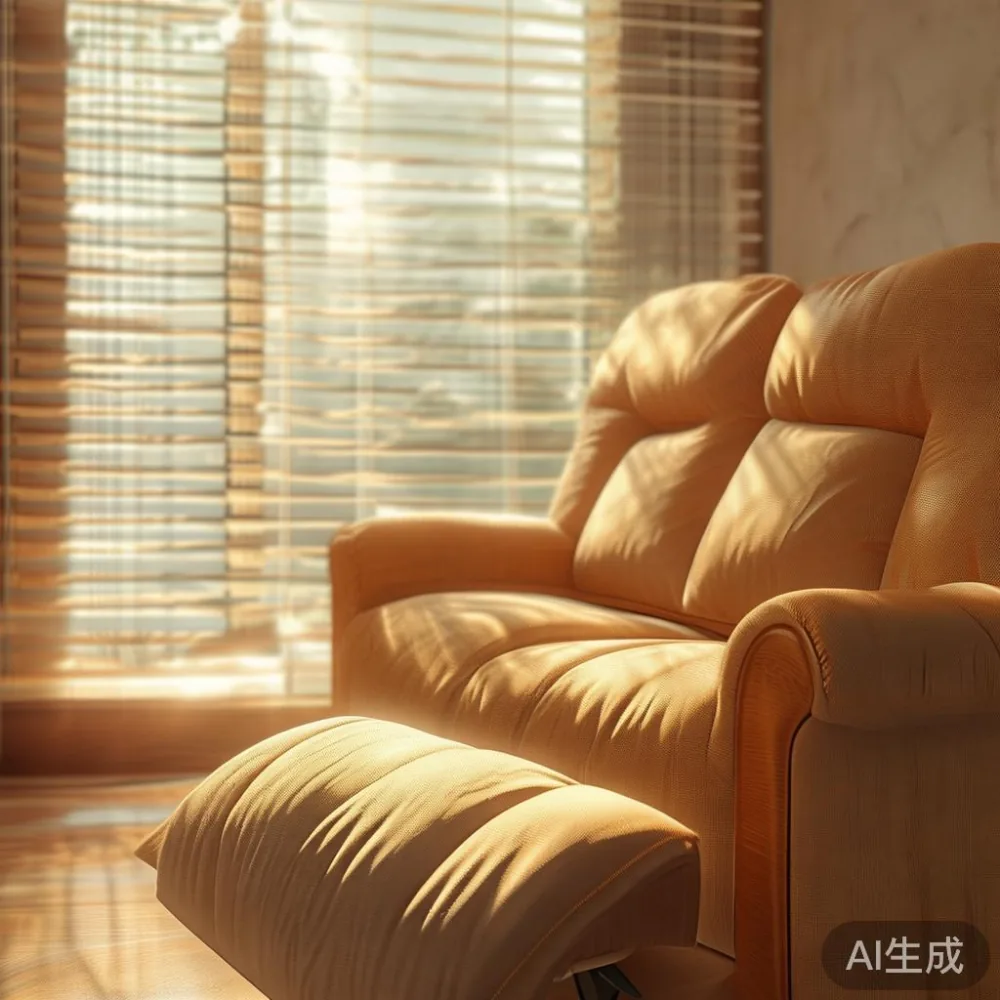
For homeowners in HDB flats and private condos across Tampines, Bedok, and Punggol, controlled humidity matters just as much as choosing the right finish. Relative humidity between 45% and 60% is a practical target for solid wood furniture. In a typical Singapore living room, indoor readings can climb from roughly 65% to 80% during rainy periods, particularly when windows are closed and the air conditioner is operating.
MIDHILL designs solid wood furniture with Southeast Asian conditions in mind. The company was established in 2008 and now exports to more than 15 countries. Its 10-year structural warranty and lifetime refinishing service offer useful protection, but good humidity habits remain part of responsible ownership.
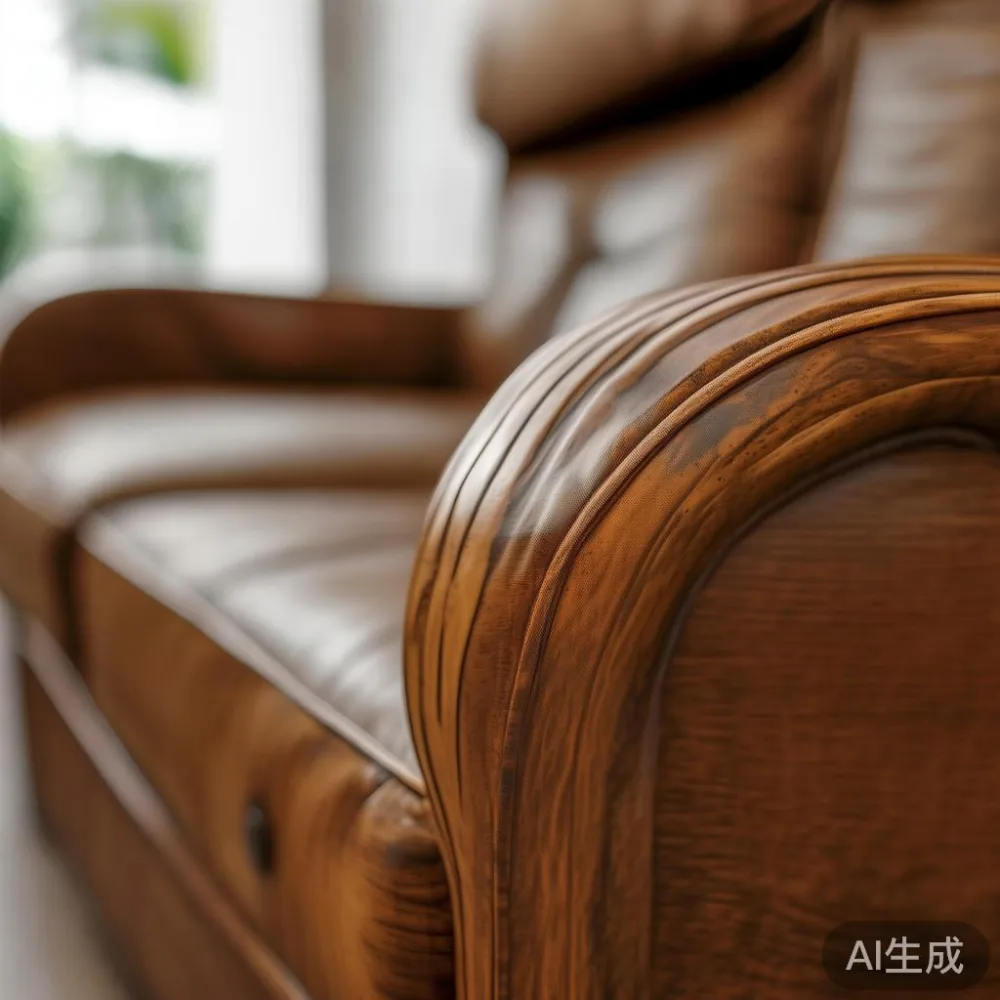
Why does humidity change solid wood?
Solid timber is hygroscopic, meaning it naturally exchanges moisture with the surrounding air. Oak, ash, rubberwood, and other common furniture woods can move by approximately 1% to 3% in moisture content across ordinary seasonal changes. That movement may appear as a small gap near a joint, a slightly uneven tabletop, or a drawer that no longer closes as easily.
The movement is not necessarily a manufacturing fault. A dining table may show a modest seasonal line around its edge, while a wardrobe panel may bow by 2–4 mm. In a recliner sofa, the wooden frame may expand around the reclining mechanism, and the upholstered cushions can shift as the foam compresses in humid conditions. Higher humidity also raises the risk of mould on fabric, although mould is more likely where cushions remain damp, dirty, or pressed against a wall.
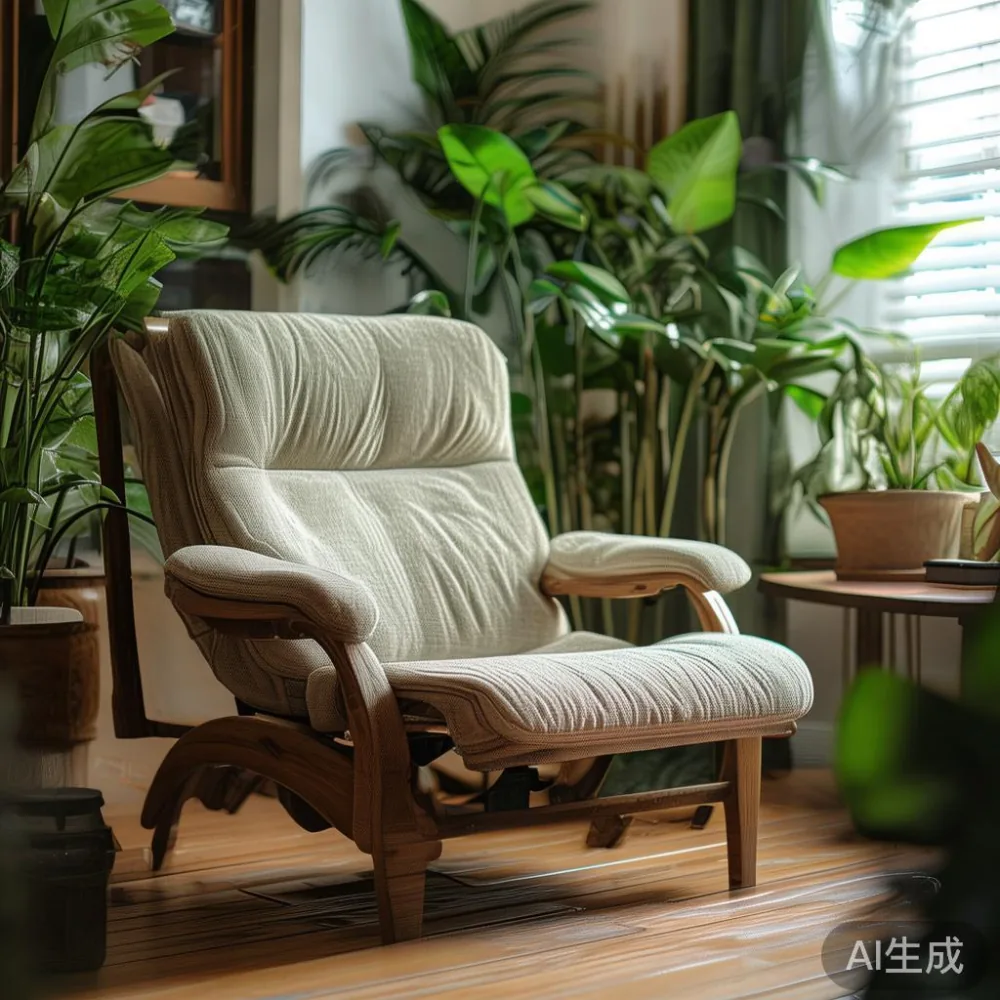
The direction of the grain matters. Solid wood boards that expand across the grain can develop checks, while joints held under excessive pressure by screws may split over time. Veneered furniture is not immune, either: the veneer, adhesive, and backing can respond differently, producing ripples or peeling at an edge.
Air movement is usually more valuable than chasing an exact number on a display cabinet. A hygrometer placed near the furniture rather than beside an air-conditioning vent gives a better indication of the conditions the piece actually experiences. In Singapore, a room that reads 58–62% near the sofa and 50–55% by the bedroom window suggests that the immediate environment is reasonably stable.
What should humidity do to a recliner sofa?
A recliner sofa needs stable timber dimensions because its wood frame, metal mechanism, and upholstered padding work together. A frame that changes by only 1–2 mm may not disturb the action. Persistent movement, especially at a tight joint, can create rubbing, squeaks, or a tilted sitting position.
Singapore’s newer HDB flats generally have better insulation and more effective air conditioning than older blocks, but many households still experience swings of 10–15 percentage points between rooms. Condo owners may face a different pattern: glass façades, high floor levels, and strong sun exposure can heat one corner of a living room while the rest remains cool. A unit facing west sunlight might reach 32–35°C at a window in the late afternoon, so curtains and reflective window film can help as much as a dehumidifier.
When choosing a recliner sofa, check that the frame is kiln-dried solid wood or a clearly identified engineered structure, rather than assuming all “wood” frames behave identically. Look for a mechanism fixed with appropriate screws and metal brackets, accessible components, and removable or washable covers. Measure a manual recliner at approximately 85–95 cm wide and 95–105 cm deep in its closed position. Allow another 40–50 cm of rear clearance for the chair to recline, and check the usable corridor and lift dimensions before delivery.
Do not force the backrest if the sofa is pressed tightly against a wall. Leave roughly 5–10 cm behind a closed recliner for airflow and movement. For daily use, cleaning the mechanism with a dry cloth every 2–4 weeks and inspecting the exposed screws every 6 months is sensible.
How high should Singapore’s indoor humidity be?
For most solid wood furniture, keeping relative humidity within 45–60% limits unnecessary dimensional change and discourages mould. Below 40%, timber can lose moisture and develop small splits or dry joints, especially near heating vents. Above 70% for long periods, the risk of swelling, musty odours, and mildew increases.
Most households do not need a portable dehumidifier all year. Air conditioning running at around 24–26°C and a dehumidifier set near 50–55% can help during wet periods. A compact unit suitable for a bedroom or study may remove 12–20 litres of water per day, though actual output depends on room size, temperature, and door seals. For a typical 80–120 square metre HDB flat, managing each air-conditioned room separately is generally more practical than relying on one machine for the entire home.
Position the dehumidifier at least 30 cm from walls and furniture, with its intake and outlet unobstructed. Keep doors and windows closed while it operates. Drainage should be checked every 2–3 months, and the filter should be cleaned according to the manufacturer’s schedule, often every 1–3 months.
The air conditioner’s own dehumidification mode may remove moisture effectively, but it can cool the room too quickly for occupants who prefer 26–28°C. A separate hygrometer makes it easier to judge comfort and furniture care together rather than assuming the thermostat setting reflects actual humidity.
Does air conditioning make solid wood furniture crack?
Repeated air-conditioning cycles can create movement, but cracking usually develops when timber is very wet and then dries quickly, or when a finish has become brittle with age. A cabinet beside a strong air outlet can experience noticeably lower local humidity than the rest of the room. A reading of 35% near that vent may fall to 60% two metres away.
Directly aimed vents should be redirected where possible. Keep solid wood furniture at least 60–100 cm from a strong outlet when practical, and avoid placing a dining table beneath a ceiling vent. Furniture should also remain clear of radiators or other heat sources, although standard electric heaters are uncommon in most Singapore homes.
Furniture finishes require attention too. A water-based lacquer or matte hardwax oil should be wiped with a slightly damp cloth and immediately dried. Avoid leaving a ring, glass, or decorative object in place for more than a few hours because trapped moisture may dull the finish. Silicone-based cleaning sprays can sometimes leave a patchy residue on coated wood; use a neutral pH cleaner and test it on a hidden area first.
For a bed frame, inspect the slats and fixing points every 6–12 months. For a nightstand, do not allow a damp phone charger cable to remain against the side panel overnight. These small actions prevent concentrated moisture from turning into visible damage.
How can I style an American wardrobe in an apartment?
Searching for how to style American wardrobe in apartment layouts often leads to a useful realization: proportions matter more than decoration. In an HDB bedroom with a usable wall length of roughly 180–220 cm, a wardrobe of 150–180 cm wide and 55–60 cm deep may fit without forcing the door into the circulation path. The wardrobe should stand on a level floor with a small rear ventilation gap of about 3–5 cm.
American light luxury usually combines pale oak or warm walnut tones, simple cornices, long handles, and restrained hardware. That style works well beside a solid wood sofa in an open-plan living area. Keep the visual connection through one repeated element, such as matching brass pulls, tapered legs, or the same wood tone, rather than adding several competing finishes.
For a marble table in the dining zone, allow the timber and stone to feel connected but physically separate. A dining table with a 180–220 cm length may require at least 90 cm of clear space around its ends and 75–90 cm between the table edge and a wall for chairs. Do not place a marble-topped table against a persistent damp wall without checking both its fixing and the moisture level behind it.
French provincial styling can be gentler: curved bed corners, turned legs, muted linen colours, and warm timber. When weighing whether is French provincial bed worth it for a Singapore bedroom, consider ventilation and humidity exposure as well as appearance. A solid frame with supportive slats at no more than 8–10 cm spacing can provide stability, while breathable bedding and a 3–5 cm gap behind the headboard reduce trapped moisture.
Questions about the best American bed for 2026 usually focus on support, available sizes, and room clearance, but tropical conditions should be included. For a standard HDB bedroom, a queen bed at about 152 cm wide by 190 cm long needs enough side clearance for drawers or bedside access. Confirm that corners, lift doors, and corridor turns can accommodate the boxed dimensions before ordering.
Should you buy solid wood or light-luxury furniture?
Comparisons of the best light luxury furniture often emphasise visual character, but the construction details should remain visible. Solid wood sofa frames can be repaired in ways that make a lifetime refinishing policy meaningful. MIDHILL offers lifetime refinishing, a 10-year structural warranty, and delivery in roughly 7–21 days for many standard items, depending on stock and the destination. A 14-day return period also gives households time to assess whether scale and humidity exposure suit the room.
Light luxury is not limited to one country. French light luxury tends to favour carved edges, upholstered forms, and softer proportions. American light luxury often uses clean lines, generous cushions, and practical detailing. Post-modern light luxury can pair simple geometry with warmer timber and tactile upholstery. For a recliner sofa, the combination of a solid timber frame, a well-supported mechanism, and durable fabric can suit all three vocabularies without making the room feel overly formal.
Some buyers begin with an Italian light luxury dressing table because of its reflective surface and compact footprint. A dressing table around 100–120 cm wide may fit a condo bedroom, yet its mirror should not sit directly against a humid bathroom wall. Measurements and installation should be handled with the same care as the larger furniture.
For reference points beyond local examples, lists of top 10 Japanese furniture often highlight joinery, low visual weight, and close attention to grain. These qualities translate well to Southeast Asian interiors, although construction and warranty terms should be checked for each maker. For MIDHILL, enquiries can be directed to +86 188 2788 2512.
How should solid wood furniture be delivered through Singapore lifts and corridors?
Humidity protection begins before a furniture piece reaches the flat. A recliner sofa may be too large for a standard HDB lift, while a wardrobe may need to be carried around a narrow corridor and through a tight turn. Measure the lift car, lift door, landing, and internal staircase rather than relying only on the building floor plan.
Record lift door width and height, the narrowest corridor width, the diagonal clearance at corners, and the height of any ceiling pipe. A common HDB lift door may be around 80–90 cm wide and 200–210 cm high, but individual blocks differ. A recliner sofa may be delivered in separate sections, which can reduce the required turning space. Confirm with the delivery team whether the product is assembled or flat-packed and whether packaging removal is included.
Keep solid wood pieces away from wet floors during unpacking, and place protective pads under every leg. A dining table should rest fully on its base without being forced against skirting boards. For a wardrobe, check the wall is plumb and dry before fixing the anti-tip restraint. Anti-tip straps are especially valuable for households with children, and installation should not block the wardrobe’s ventilation gap.
Orders over US$350 qualify for free shipping under MIDHILL’s stated delivery policy, though the destination, tax treatment, and delivery scope should be confirmed. Singapore prices are shown in SGD, and GST applies to taxable local sales. Allow approximately 7–21 days for standard delivery, with additional time for made-to-order upholstery or remote locations.
What is the practical maintenance routine for humid homes?
A short routine prevents most avoidable problems. Check the hygrometer once each morning and evening for 1 week after major rain, noting readings beside the sofa or bed rather than at a vent. Wipe a recliner sofa with a dry microfibre cloth every 1–2 weeks, and clean the mechanism every 2–4 weeks. Allow cushions to air for 2–4 hours after cleaning.
Keep the sofa at least 30–50 cm from a wall where space allows, especially in a ground-floor unit with a rear ventilation opening. Avoid covering solid wood with heavy cloths for days because they can trap moisture. Use coasters and trays on a nightstand, and inspect under sink-adjacent cabinets every 3–6 months for leaks or condensation.
For a dining table, wipe spills within 10–15 minutes and dry the surface immediately. Rotate table decorations every few days so one area does not remain covered. A wardrobe benefits from checking hinges, runners, and seals every 6 months. A bed frame should be checked for loose fixings and condensation marks every 6–12 months.
Small surface marks can often be treated with the correct refinishing product, but do not sand aggressively or apply paint without checking the original finish. MIDHILL’s lifetime refinishing service gives owners a route for restoring pieces over time, while the 10-year structural warranty covers eligible structural issues under its terms.
Humidity does not make solid wood furniture unusable in Singapore. It makes control, airflow, and careful material selection more important. A stable environment near 45–60% relative humidity, sensible placement away from vents and walls, and regular inspection will help a recliner sofa, bed frame, dining table, wardrobe, nightstand, or marble table retain its form and appearance for years rather than months.