Wood Furniture in Singapore’s Humidity
Singapore’s warm, humid climate can change the dimensions of solid wood faster than many buyers expect. A wooden frame may swell during a rainy afternoon, tighten when air-conditioning lowers the humidity, or develop small surface marks near a balcony door. The effect depends on the timber, the finish, the room, and—most importantly—how the furniture was built.
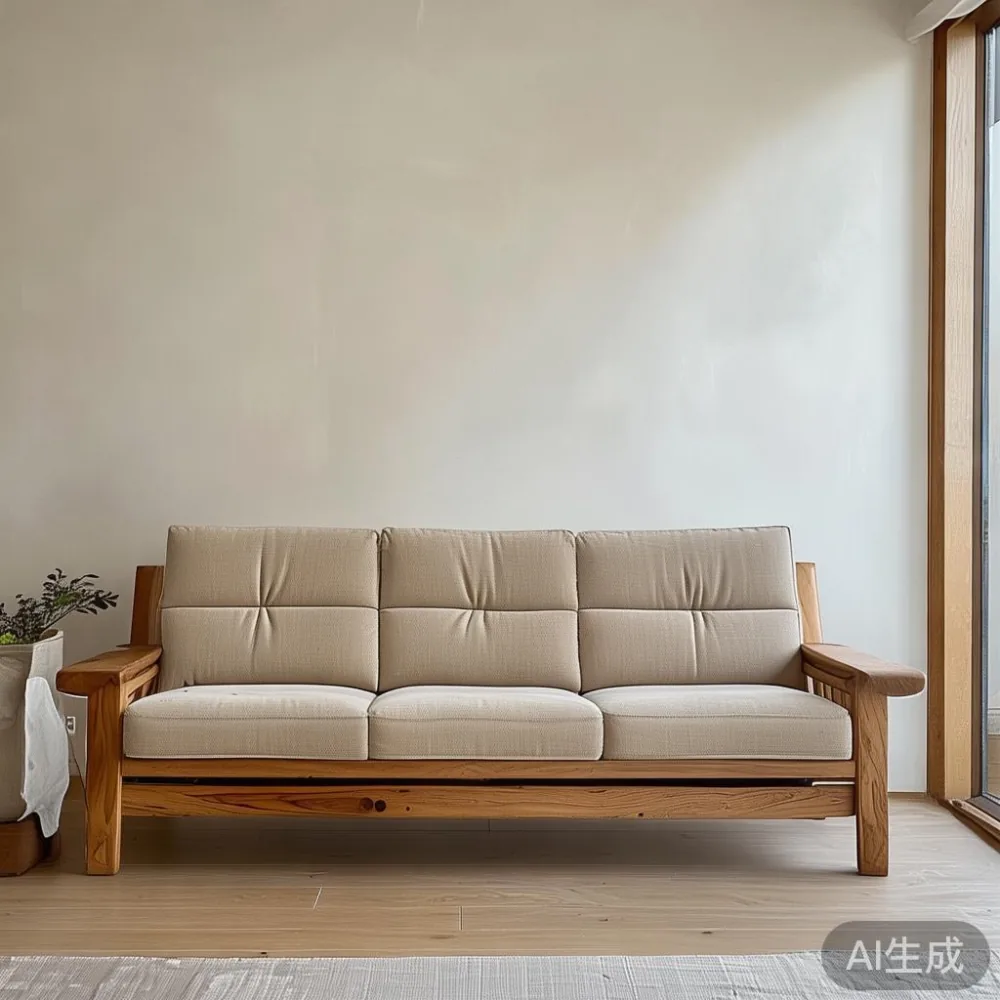
This matters for a solid wood sofa, especially a recliner sofa with moving parts. It also matters for a solid wood bed frame, dining table, wardrobe, nightstand, or marble table installed in the same HDB flat or condo. Good furniture should tolerate daily moisture changes, but no manufacturer should promise that wood will ignore humidity altogether.
MIDHILL designs furniture in Foshan, where humid conditions are part of ordinary production testing. The company has supplied solid wood pieces to customers in more than 15 countries since 2008, and each piece carries a 10-year structural warranty. That structural coverage is different from a promise that every surface will remain completely untouched in Singapore’s interior environment.
Why does humidity make solid wood furniture move?
Wood is hygroscopic: it absorbs moisture from the air and releases it when the air becomes drier. In Singapore, outdoor relative humidity can range from roughly 65% to 95% during wet periods, while an aggressively air-conditioned bedroom might fall below 50%. In practical terms, those changes can create repeated expansion and contraction across the grain.
Movement of about 1 to 3 mm across a panel 30 cm wide is plausible for a responsive solid wood component, especially if it is exposed to a sudden change. A solid wood dining table may lengthen by several millimetres along its grain; a bed frame may shift slightly as its joints work under load; and wardrobe panels may feel tighter or looser at the edges. These are normal physical responses, provided the construction includes suitable joinery and tolerances.
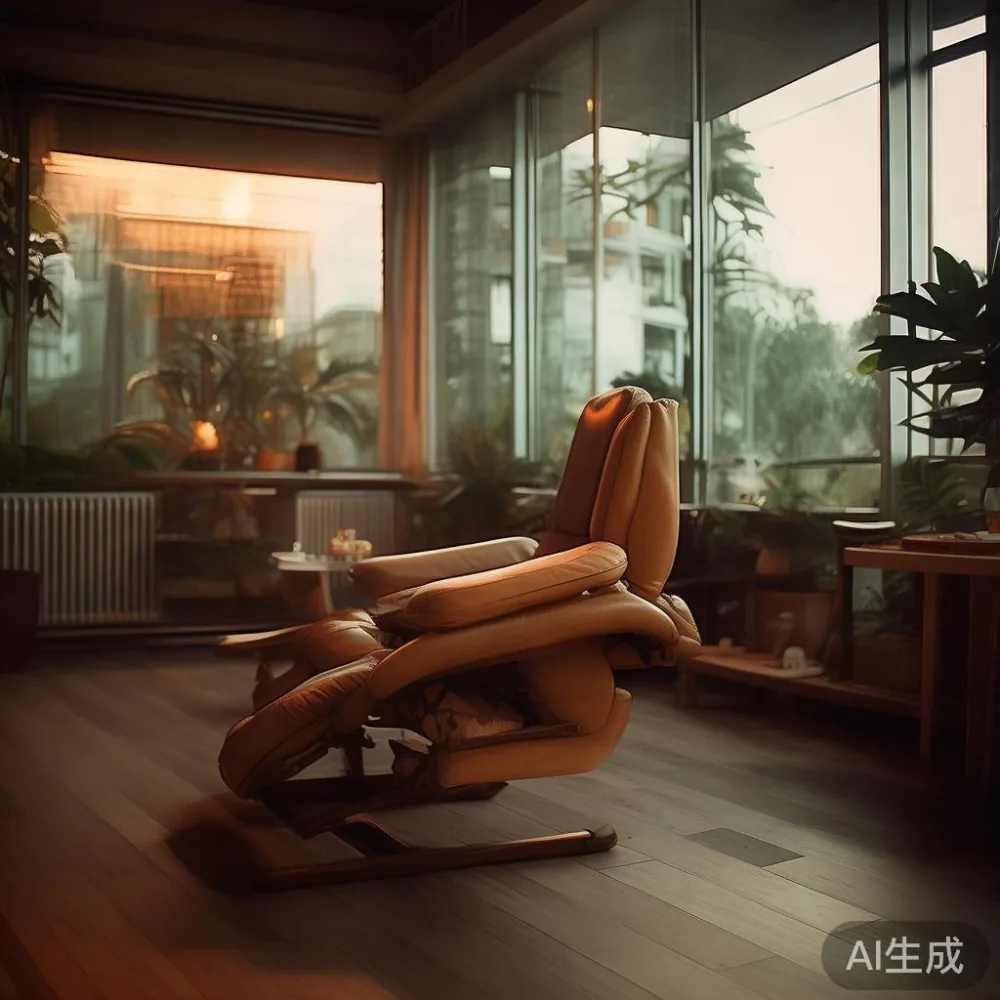
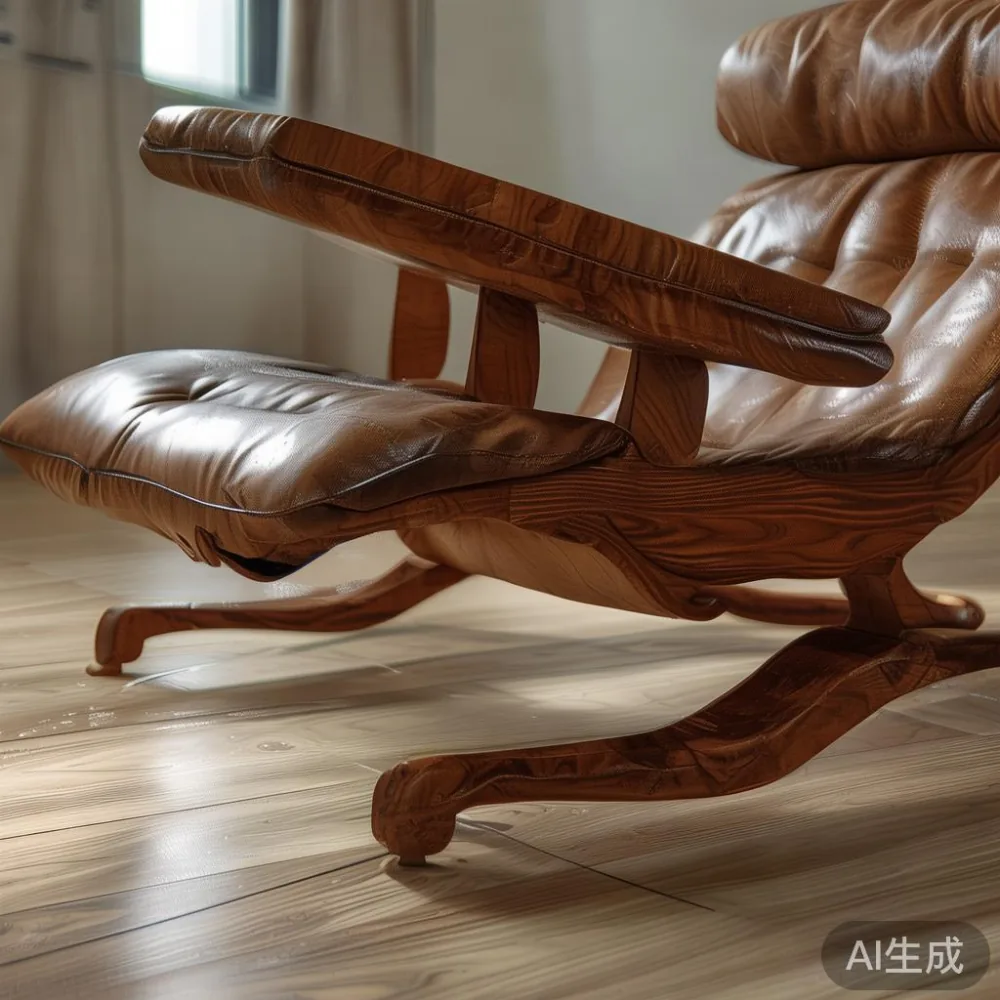
For a recliner sofa, humidity also affects the wooden frame around the seat box, the arms, and the reclining supports. High moisture can make timber feel heavier and less stable, while repeated cycling can loosen screws, alter clearances, or cause the moving mechanism to operate less smoothly. Fabrics add another variable. They may absorb moisture, stretch slightly, or take longer to dry near an open window.
A marble table responds differently because marble does not expand like timber. Its stone slab, frame, and fixing system may have very small differences in movement, so quality installation matters. The surrounding solid wood furniture still needs stable indoor conditions. A marble table placed in a persistently damp corner can pick up condensation around its base even if the stone itself is not damaged.
Can a solid wood sofa tolerate Singapore’s humidity?
Yes, when its timber is properly seasoned, its joints are built for movement, and its finish is applied as a complete system. The strongest construction uses well-dried hardwood, restrained wedged or mortise-and-tenon joints where appropriate, and mechanical fixings that can resist seasonal dimensional changes. Particleboard and MDF can also serve useful roles inside a sofa frame, but exposed edges and vulnerable joints need better sealing than solid timber.
For a recliner sofa, check the warranty language closely. A 10-year structural warranty should address frame integrity and defects in the reclining structure, not every operational issue caused by damp storage, flooding, or unreasonable exposure. Ask the seller what maintenance is required and whether replacement reclining components are available. A mechanism that can be serviced after 8 or 10 years is more useful than one that must be discarded after the first fault.
Last month I visited a client in Tampines to inspect a 2.1 m solid wood sofa. The family kept the unit near a balcony door and ran the air-conditioner only at night. I measured the nearest wall gap at 4 cm and the room at roughly 27°C and 76% relative humidity in the late afternoon. By 9 pm, after the air-conditioner had operated for 2 hours, the reading had fallen to about 65%. A drawer beside the sofa had tightened, but the sofa frame remained steady and no mould was present.
The practical lesson was not that air-conditioning solved the problem. It was that the sofa had breathing room and a stable surface. I recommended moving it 20 cm farther from the opening, keeping a 5 cm gap from the wall, and checking the mechanism every 3 months. This visit also showed why shoppers should distinguish a cosmetic movement of 1 mm from a structural failure affecting the recliner.
For buyers comparing design labels, a light luxury sofa vs Modern sofa comparison should look beyond the name. The more useful questions are: Is the frame solid wood? Are the seat platform and back panel ventilated? Is the recliner mechanism screwed and dowelled or partly dependent on glue alone? A French-inspired profile can use good joinery, while a fashionable grey finish cannot conceal weak construction.
Similarly, light luxury sofa vs Mid-century modern sofa is mainly a design and engineering comparison. Tapered legs may create visual lightness but should not mean that the frame lacks bracing. For a recliner sofa, concealed support, balanced weight, and controlled movement are more important than the style of the legs.
How should solid wood furniture be positioned in an HDB flat or condo?
Singapore’s compact homes make airflow and installation clearance especially important. In a typical HDB flat, a 2.2 m recliner sofa can block a corridor intended to remain clear, particularly if the backrest reclines into a walkway. Before delivery, measure the sofa’s full reclined depth rather than only its narrow upright depth. If the upright measurement is 95 cm and the reclined depth is 150 cm, allow at least 160 cm of usable movement space. Lift lobby turns and corridor widths should be checked against the packed carton as well as the assembled furniture.
In Bedok, a unit close to the sea often experiences salt-laden moisture on outdoor surfaces. In Punggol and Tampines, sunlight through east-facing windows can heat a dark timber finish to around 34°C even when the room feels comfortable. Heat and humidity often arrive together. Curtains, blinds, and sensible placement reduce daily stress without preventing ventilation.
Keep large furniture about 10 to 15 cm away from external walls where space allows, and maintain a gap of at least 5 cm behind a movable back. For a dining table, leave roughly 90 cm behind each seated position; 75 cm may work in a narrow flat, but 90 to 110 cm is more comfortable. For a bed frame, confirm that wardrobes and nightstands do not trap moisture against the side panels.
Do not place a solid wood bed frame, wardrobe, or recliner sofa directly beneath a known leak. Fix dripping air-conditioner pipes or balcony seals before the furniture arrives. Use a moisture meter with readings below 12% as a practical reference for dry interior timber, but air moisture readings and wood moisture readings are not interchangeable. A high-end pin meter is more informative than a inexpensive humidity display on a phone.
Consider a finished floor rather than bare concrete or ceramic where the furniture will stand. A 12 to 15 mm cork or approved resilient underlay can moderate brief surface moisture, although it will not protect against flooding. A rug beneath a dining table may also reduce condensation risk in humid weather, but it must not cover ventilation panels or press against a wardrobe toe-kick.
What should buyers inspect before delivery?
Ask for photographs of the actual frame, joinery, and underside—not only the styled room image. For a solid wood sofa, look for clean joints, continuous rails, and a seat platform that does not visibly sag. For a recliner sofa, test every position 3 times, including the footrest and backrest. The movement should stop without a sharp impact, and the locking positions should hold under a 75 kg test load.
Check whether the wood species is named. Rubberwood, oak, ash, beech, and other specifications have different movement and hardness characteristics. A seller who states the construction clearly is easier to hold responsible than one who labels every product as “premium wood.” Solid timber on visible surfaces does not mean the entire sofa must be solid wood, but the load-bearing frame should have meaningful solid-wood content.
Ask how the finish was applied. A factory-applied, cured system with compatible primer and top coats generally offers better protection than a thin lacquer applied after delivery. Look for sealed edges around panels that may be exposed to moisture. Scratch marks can often be addressed by refinishing, but standing moisture or a failed coating is a different maintenance issue.
For a bed frame, inspect the centre rail, slat supports, and corner joints. For a wardrobe, check the hanging rail fixing, panel edges, and doors after they have adjusted to the room. For a nightstand, examine the back panel and drawer runners. For a dining table, check the apron, end-grain stability, and whether the extension mechanism has clearance for wood movement.
Buyers also need a realistic answer to the question, is French bed worth it? A French provincial-style bed may be worthwhile when its solid wood construction, supportive slat spacing, and finish quality meet the price. Style alone cannot provide durability. In a humid room, a well-built slatted base with good airflow is more practical than a decorative headboard with weak concealed fixings.
The same practical approach applies to how to choose French wardrobe. Compare internal widths, hanging space, shelf loads, hinge ratings, moisture-resistant edge sealing, and ventilation. A 180 cm wardrobe may suit a condominium bedroom, while a smaller HDB room may require a 120 cm unit. Confirm the carton measurements and lift booking before ordering.
How should a recliner sofa be cared for during humid months?
Keep indoor relative humidity reasonably stable where possible, commonly around 50% to 65%. In Singapore homes, this may require air-conditioning, a dehumidifier, or both. A dehumidifier rated for a 25 m² room may remove roughly 8 to 15 litres of water per day under suitable conditions, but actual output depends on the device, temperature, and enclosure. Place it on a level surface with unobstructed airflow and empty the tank every 2 to 3 days.
Ventilate after showers and cooking, but avoid creating a direct humid-to-dry cycle on a recliner sofa. Use blinds or curtains to limit intense sun. Clean upholstery with a pH-appropriate product, blot rather than saturate, and dry the fabric fully before using the recliner. For leather or leather-like upholstery, wipe gently and keep at least 30 cm from a humid cleaning basin.
Every 3 months, check the recliner mechanism, tighten loose fixings according to the maker’s instructions, and look at the underside for water marks. Do not over-tighten screws in wet timber, as excess pressure can crush the fibres. Every 6 months, inspect the sofa’s lowest points and the back of the frame. For a dining table, wipe spills within 10 minutes and avoid leaving rings overnight. For a wardrobe, keep the base dry and leave interior doors open briefly after air-conditioning.
Solid wood furniture should not be treated with generic “polish” products without checking compatibility. A silicone-heavy wax can leave a film that traps moisture. Use the specified care product and a soft cloth. Minor abrasions may be repairable through MIDHILL’s lifetime refinishing service, subject to the service terms, whereas deep swelling, mould, or failed joints require individual assessment.
A marble table should not be sprayed with acidic cleaners. Neutral soap and water are more suitable, and the underside should remain dry. If a dining table combines marble with solid wood, protect the timber edge from dishes and wet glasses. For a nightstand, avoid placing a damp phone charger or ice bucket directly against the back panel.
What delivery and service details matter for large furniture?
Measure the route before confirming an order. Standard HDB lift doors may be about 80 to 90 cm wide, while some service lifts are smaller. Measure the lift car’s diagonal, the turn at the corridor, and the door width of the HDB unit. For a 210 cm solid wood sofa, a packed carton could exceed 220 cm long and weigh 70 to 100 kg. The supplier should explain whether the sofa arrives assembled, partially disassembled, or as a separate reclining module.
MIDHILL offers free shipping for orders above US$350, but the threshold is shown in US dollars while Singapore transactions are normally expressed in SGD. Confirm the final Singapore price, GST treatment, and delivery quotation in SGD before payment. A typical production and international delivery estimate can be 25 to 45 days, followed by local delivery arranged in about 3 to 7 days. These are planning ranges rather than guaranteed dates, so furniture selected for a renovation should include several days of buffer.
The 14-day returns policy should also be checked against the condition of a recliner sofa and oversized furniture. Confirm whether return freight, assembly, and restocking charges apply. The 10-year structural warranty provides longer-term confidence, but buyers should retain the invoice, product photographs, and delivery record. Photograph the solid wood sofa on arrival, including the underside and mechanism, before the delivery team leaves.
For a complete room, delivery sequencing matters. Allow the dining table, bed frame, wardrobe, nightstand, marble table, and solid wood sofa to acclimatise in a dry interior before heavy use. A wardrobe should be installed according to its fixing instructions rather than pushed tightly against a wall. If a later sale is planned, keep the original finish, hardware, and documentation intact.
How can buyers judge whether furniture was made for humid conditions?
Ask specific questions about drying, finish, and structural design. A manufacturer should be able to explain where the timber was seasoned, how moisture was checked, and how panels were sealed. They should also distinguish between components designed to move and components that should remain rigid. Claims such as “humidity proof” should be treated cautiously because no indoor wooden furniture is completely unaffected by moisture.
Design language can still guide a purchase. European light luxury bed vs French provincial bed comparisons often focus on carved details, curved profiles, upholstery, and visual weight. In Singapore, a restrained French light luxury approach may suit a condo living room if it is paired with durable joinery and a practical finish. A post-modern light luxury solid wood sofa can work in an HDB flat when the proportions remain compact and the reclining mechanism is properly supported.
For a temporary search, for sale Post-modern furniture listings should not distract from the measurements. A 240 cm sofa may be too long for a narrow corridor even if it is attractive online. Compare the reclined dimensions, turning radius, carton size, and access route. The best-looking configuration is rarely the one that cannot be delivered or ventilated properly.
A MIDHILL sofa should be evaluated by the same visible evidence as any other purchase: frame construction, finish consistency, movement quality, after-sales terms, and the supplier’s willingness to answer technical questions. European-inspired or American light luxury styling can define the mood, but humidity performance comes from material preparation and assembly.
Singapore does not require buyers to choose between humid living and solid wood furniture. It requires sensible control of moisture, sensible spacing, and furniture made with realistic tolerances. A well-finished solid wood sofa, bed frame, dining table, wardrobe, nightstand, or marble table can remain useful for many years when its construction and environment are treated as a connected system. That is the practical meaning of solid wood in a tropical home: not immunity from the climate, but predictable performance when climate, craftsmanship, and care are given equal attention.