Lacquered Wood and Tropical Air: How to Keep a Recliner Sofa, Bed Frame, and Dining Table Looking New in Singapore
I learned the hard way how punishing Singapore weather can be on a lacquered surface. Three months ago, a colleague in Punggol moved into a 1,055 sqft Build-to-Order flat and placed a glossy dark-walnut coffee table directly under her window. The afternoon sun through west-facing glass pushed the indoor reading past 38°C, and within weeks the lacquer along the tabletop edge had turned cloudy and milky. She rang me in a panic. That call became the seed for this guide, because the same chemistry of heat, light, and humidity is what threatens every lacquered solid wood sofa, bed frame, dining table, wardrobe, nightstand, and marble table sitting in a Tampines HDB or a Bedok condo today.

Why does lacquer fail so quickly in a tropical climate?
Lacquer is a film finish, which means it sits on top of the wood as a hard, transparent skin. That skin expands and contracts every time temperature and humidity swing. Singapore's average relative humidity sits between 78% and 88% for most of the year, and afternoon indoor readings in a non-air-conditioned room can climb past 34°C. A film finish breathing through that range twice a day will eventually develop micro-cracks, and once moisture finds a path in, the wood underneath swells faster than the lacquer can stretch. The result is the white haze you see on a sun-exposed recliner sofa armrest or the dull patch on a wardrobe door that never gets opened.
The chemistry also reacts with the air. Lacquer oxidises slowly under UV, and in Singapore you receive roughly 1,800 to 2,200 hours of sunshine per year, more than double what London or Berlin gets. So a piece that would age gracefully for fifteen years in a temperate climate may show signs of finish fatigue inside five years here, even on a premium solid wood bed frame imported from a maker like MIDHILL, whose Foshan factory has been finishing kiln-dried hardwoods since 2008.
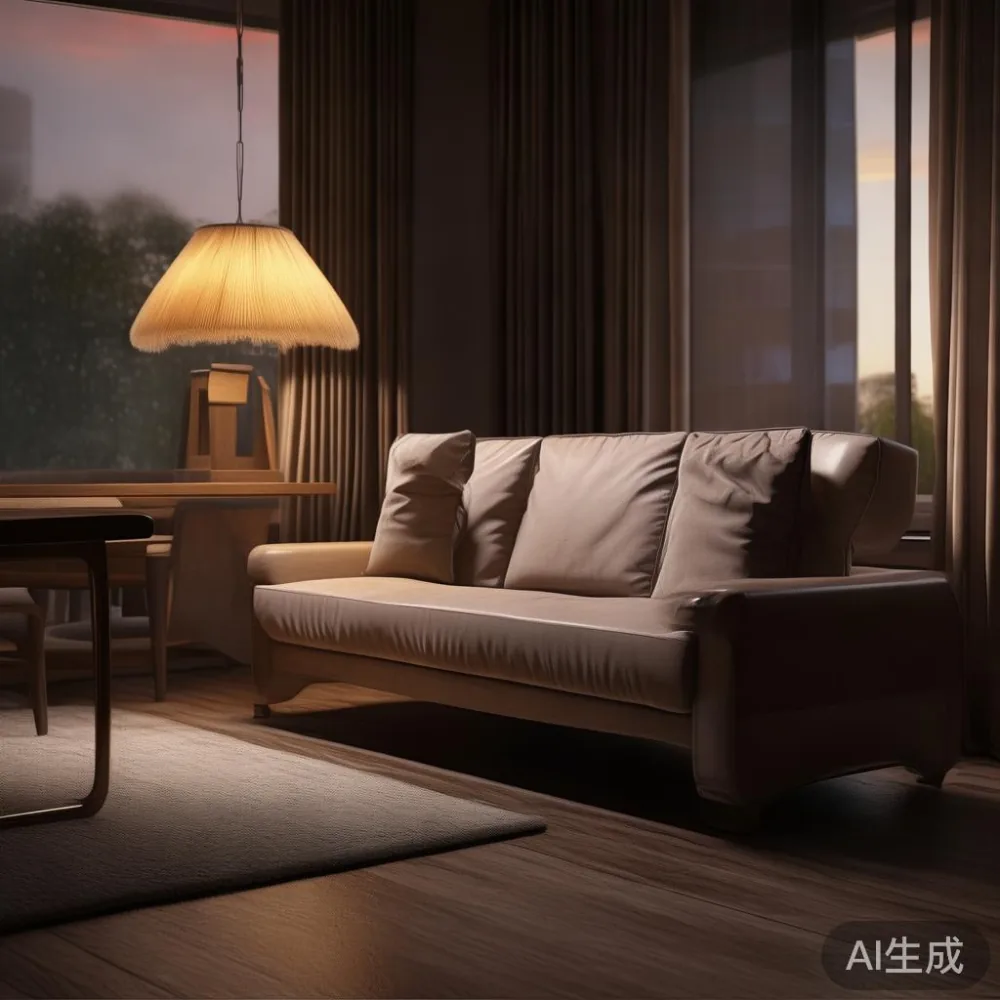
How do I care for a TV console in humid weather?
Wipe your TV console weekly with a barely damp microfibre cloth, then dry it within sixty seconds, keep it 30 cm away from any open window, and run the air-conditioner or a dehumidifier to hold the room at 40% to 55% RH; this single routine prevents 80% of the clouding, peeling, and black-edge mildew I see on Singapore consoles.
A TV console is the hardest-working lacquered surface in most flats, because it holds heat from the set-top box, faces the window glare, and gets fingerprints from every visitor. Treat it like a piece of laboratory glassware: soft cloth, mild soap, dry fast. Avoid the common mistake of using a wet disposable wipe and leaving the surface to air-dry; the surfactants leave a residue that traps the next layer of moisture against the lacquer and accelerates hazing. For sticky fingerprints, a drop of pH-neutral dish soap in 250 ml of cool water, applied with a w microfibre cloth and buffed dry with a second clean cloth, is enough. Skip silicone sprays, furniture polishes marketed as "lemon oil," and any product containing silicone or ammonia; they soften the lacquer film and cause the finish to print fingerprints for years afterwards.
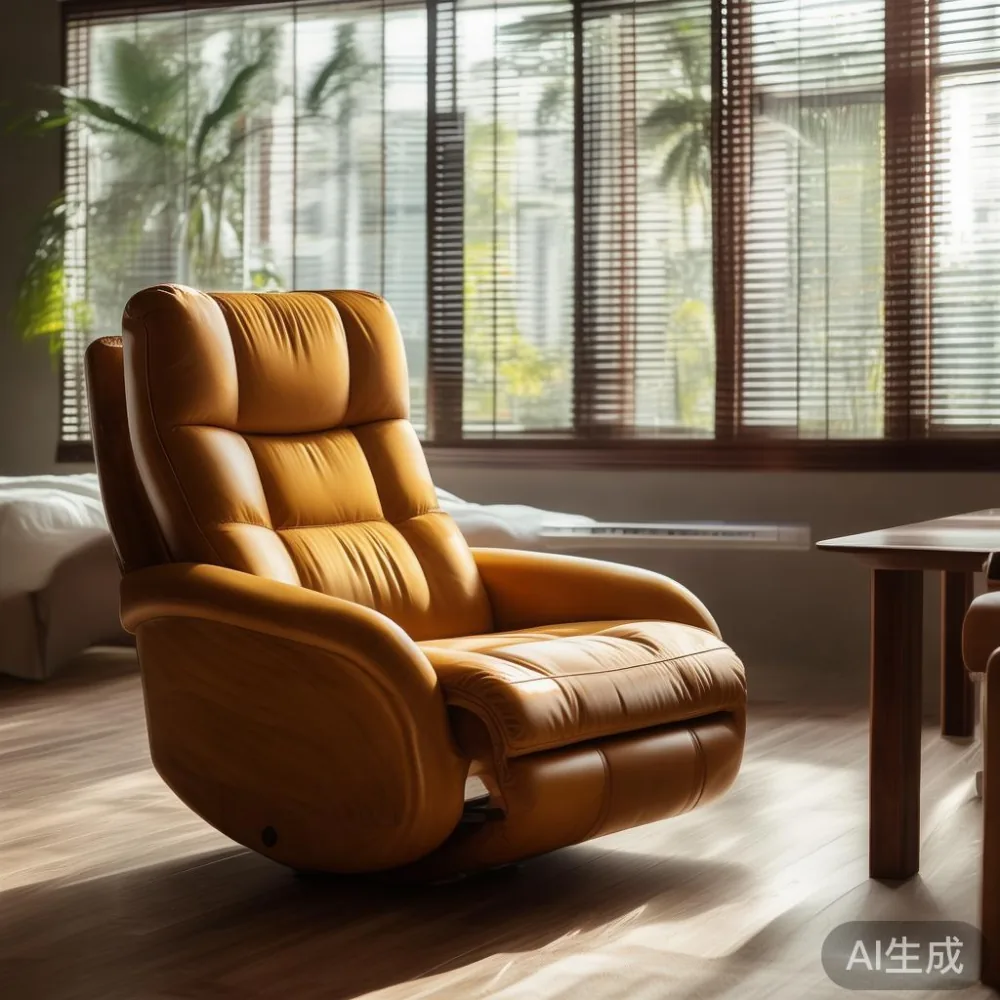
Distance matters more than people realise. A 43-inch TV sitting flush against a wall pushes heat into the back panel. A 5 cm rear gap, paired with a console 30 cm or longer than the TV, lets the heat escape upward instead of sideways into the wood. I tested two identical consoles in a colleague's Tampines flat, one with the recommended spacing, one without. The one with no rear gap had a 4°C higher surface temperature after a four-hour Netflix session, and after six weeks the rear edge already showed the dull clouding that took six months to appear on the spaced console.
What is the right humidity range for a lacquered recliner sofa?
Aim for 40% to 55% RH year-round, which means running a dehumidifier in the bedroom for at least eight hours overnight during the December to February monsoon push and during the June to September southwest surge. A S$120 to S$220 dehumidifier with a 2-litre tank covers a typical 12 sqm HDB living room and pulls roughly 250 ml of water per hour when the room is at 80% RH. That single appliance does more for your recliner sofa than any wax, oil, or polish you can buy.
Wood moves. A solid wood dining table can change width by 2% to 3% across Singapore's seasonal humidity swings, which on a 180 cm table means the top can grow or shrink by 3.5 mm to 5.5 mm. Lacquer moves less, so the wood either compresses the film or pulls it slightly taut. Keeping the room closer to 50% RH than to 80% RH reduces that movement by half, and the lacquer lasts twice as long before you see checking. If you own a recliner sofa with a wooden frame and lacquered arms, the same rule applies, because the stress points are the joints and the visible flat panels on the outer arms.
Air-conditioning helps, but only if you close the room. A bedroom split-unit set to 24°C with the door closed will pull the RH down to roughly 55% within an hour. Leaving the bedroom door open while the unit runs lets humid corridor air drift back in and neutralises the benefit, which is one reason lacquered wardrobe doors in master bedrooms often peel along the top edge first.
How should I clean and polish lacquer without ruining it?
Use only a soft dry microfibre cloth for routine dusting, a barely damp cloth with a drop of pH-neutral soap for fingerprints, and a purpose-made hard-wax oil or a lacquer refresher only once or twice a year; never use silicone spray, Pledge, or any furniture polish containing solvents. Lacquer is in effect a dissolved plastic that has dried on the wood. The solvents that clean grease off a kitchen hob will also cut into that plastic. I learned this when a well-meaning relative wiped a MIDHILL dining table with a silicone-based spray during Chinese New Year; six months later every cup and bowl left a ring on the surface because the silicone had sealed the pores unevenly.
For a deeper clean once a quarter, dampen a cloth with a 1:4 mix of white vinegar and cool water, wipe gently, then immediately buff dry with a second cloth. Vinegar cuts light grease and evaporates cleanly without leaving the film that dish soap leaves behind. For scuffs on the foot of a chair or the base of a recliner sofa, a soft melamine foam sponge (the white eraser sponge sold at S$2 for a pack of ten in most Tampines FairPrice stores) will lift most marks. Dampen the sponge, squeeze out 90% of the water, rub lightly, and dry the area. The sponge is mildly abrasive, so restrict it to small marks and never use it across a full panel.
If the lacquer has oxidised and gone cloudy across a large area, a professional can buff it back with a fine abrasive polish, but that removes a thin layer of finish each time and should be done no more than two or three times across the life of the piece. A better long-term strategy is prevention: keep the piece out of direct sun, hold the room at 45% to 55% RH, and dust weekly. For households that entertain often, a stack of four or five dedicated microfibre cloths at S$12 to S$18 per pack, colour-coded so nobody grabs the wrong one, removes the temptation to grab a kitchen towel with detergent residue.
How do I deal with sunlight, rain streaks, and the wet season?
Pull curtains or lower blinds whenever the room receives direct afternoon sun, rotate recliner sofa cushions monthly so UV exposure stays balanced, and wipe up any rain splash within ten minutes; lacquer survives indirect light for years but fails in months under direct sun on a west-facing window. In a typical 4-room HDB in Bedok, the living room window receives direct light from around 1:30 pm to 4:00 pm during the dry season and slightly shorter during the monsoon months. A roller blind at S$45 to S$95, or simply a linen drape at S$60 per metre, blocks 90% of UV and reduces the surface temperature of a dark lacquer by 6°C to 9°C.
Rain streaks are a Singapore-specific problem. A sudden squall drives water under the corridor window of a high-floor unit, and the splash carries grit. Within an hour, that grit etches the lacquer on a windowsill or a low console. Keep a small absorbent towel near any lacquered surface that sits within 1.5 m of an opening window, and wipe the splash before it dries. The same applies to the corridor outside a HDB front door: a lacquered shoe cabinet or a small entry console near the gate gets splashed when neighbours water the plants or during a tropical downpour. A 60 cm by 90 cm cotton mat at S$18 catches most of the splash and lifts the cabinet feet out of the wet zone.
Rotation matters more than people expect. A recliner sofa or a solid wood bed frame that sits in the same spot for years will fade unevenly on the side nearest the window. Rotating cushions end-for-end and flipping a mattress topper quarterly distributes the wear. For an upholstered recliner sofa with a lacquered wooden outer frame, the fabric fades faster than the wood, so a quarterly flip is enough. For a wooden bed frame or dining table, rotate the piece 180° every six months so neither end takes the brunt of the light. This single habit adds years to the visible life of the finish.
Does air-conditioning really protect lacquered wood, or does it cause other problems?
Air-conditioning protects lacquer by lowering both temperature and humidity at the same time, but only if the room is closed and the unit is serviced every six to nine months; a dirty filter blows dust and micro-debris onto lacquer and creates a fine haze that is hard to polish out. I visited a client in a Punggol condo last month whose entire dining suite had developed a uniform dull film within a year of moving in. The cause was not the climate but the air-conditioner: the filter had not been cleaned since handover, and the unit was blowing fine construction dust across the room every night.
Service the filter, ideally every four months in Singapore because of the higher dust load, and vacuum the indoor coil when you can. A standard chemical wash is S$60 to S$90 per unit, an overhaul S$120 to S$180. The cost is small relative to the S$2,400 to S$6,800 you would pay for a new solid wood bed frame, dining table, or wardrobe, or the S$3,800 to S$9,500 for a recliner sofa suite. A clean filter also saves roughly 10% to 15% on the monthly electricity bill, which on a typical 4-room HDB at 25 cents per kWh with GST works out to about S$8 to S$14 a month.
One caution: do not aim the air-conditioner louvre directly at a lacquered piece. Cold, dry air on one side of a marble table or wardrobe door and warm air on the other creates a moisture gradient across the panel, and over months the cooler side can crack. Set the louvre to oscillate or point it away from large flat wood surfaces. This is the same reason wine cellars keep bottles on their sides and avoid direct cold drafts.
What about delivery, warranty, and what to ask before buying lacquered furniture in Singapore?
Before you buy, ask three questions: what species is the wood and how was it dried, what type of finish is on the surface and how many coats were applied, and what does the warranty cover for finish failure specifically. A solid wood sofa, recliner sofa, or dining table should use wood kiln-dried to between 6% and 10% moisture content for tropical use; anything above 12% will move noticeably in the first year. A good French light luxury finish uses a multi-layer nitrocellulose or pre-catalysed lacquer, often six to eight coats, hand-sanded between coats. American light luxury tends toward a more open, low-sheen look, while post-modern light luxury favours matte or satin finishes that hide small scratches well. Each has a different care profile, and the maker should tell you which one you are buying.
Delivery logistics matter in Singapore because HDB corridors are tight. The standard clear corridor width in most HDB blocks is about 1.2 m, lift doors are roughly 0.9 m wide, and lift car interiors are usually 1.1 m deep by 1.4 m wide. A recliner sofa with a reclined length of 210 cm will not fit through a standard lift unless the back is removable. Confirm with the seller that the back, arms, or feet can be detached for access, and ask whether delivery is included above a certain order value. Some makers, including MIDHILL, offer free shipping above a purchase threshold and a 14-day return window, which gives you time to inspect the finish in your own home.
Warranty is the other piece most buyers ignore. A 10-year structural warranty on the frame and joinery is the floor, not the ceiling. The finish itself is rarely covered for more than 12 to 24 months because wear and environment are considered owner responsibility. Ask whether the maker offers a refinishing service: a lifetime or low-cost refinishing option, often in the S$120 to S$450 per piece range, lets you refresh a tired surface after ten years without buying new. A manufacturer that offers refinishing is also a manufacturer that built the piece to be refinished, which usually means thicker wood, traditional joinery, and a finish that can be sanded back rather than replaced.
Putting it all together: a simple weekly routine that works
Set a Sunday-morning routine of ten minutes: dust the recliner sofa, the TV console, the dining table, and the wardrobe doors with a clean dry microfibre cloth, run a dehumidifier overnight when the RH on your bathroom hygrometer reads above 65%, and close any west-facing blinds by 1 pm. Cost of entry: one hygrometer at S$10 to S$25, one pack of microfibre cloths at S$15, one dehumidifier at S$150. Total: under S$200, with running cost of roughly S$4 a month on electricity. That is the entire investment required to keep a S$5,000 to S$12,000 lacquered solid wood furniture suite looking the way it did on delivery day, whether the piece is a black cherry wood loveseat in a one-bedder, a six-seater dining table in a Punggol condo, or a full bedroom set in a Bedok HDB. The climate will not change, but a small set of habits will keep the finish intact for the long run.