The Silent Enemy: How Singapore's Humidity Affects Your Recliner Sofa
For those of us living in Singapore, the air is a constant presence. It wraps around you in the morning, clings to your clothes, and settles into the very walls of your home. This high humidity, a defining feature of our tropical climate, is more than just a feeling of stickiness. It is a silent, ever-present force that can quietly wage war on the things we own, especially the natural materials in our homes. Nowhere is this more evident than with a fine piece of solid wood furniture, like a beloved recliner sofa. Understanding this relationship is not just about preservation; it's about making an informed choice for your home and your lifestyle.
Why Does Humidity Affect Solid Wood Furniture So Much?
At its core, wood is a hygroscopic material. This scientific term simply means it absorbs and releases moisture from the air. Think of it like a living, breathing entity. When the humidity in your HDB flat or condo in Tampines is high, the wood in your furniture absorbs that moisture, causing its fibers to expand. Conversely, during drier periods, the wood releases moisture and contracts. This natural process, known as movement, is completely normal for solid wood. However, the problem arises when the humidity swings are too extreme or too frequent. In Singapore, where the relative humidity often sits between 70% and 90%, the wood is in a constant state of trying to absorb moisture, leading to continuous expansion. This can manifest in several ways, from subtle cosmetic changes to more serious structural issues.
What Are the Visible Signs of Humidity Damage on a Recliner Sofa?
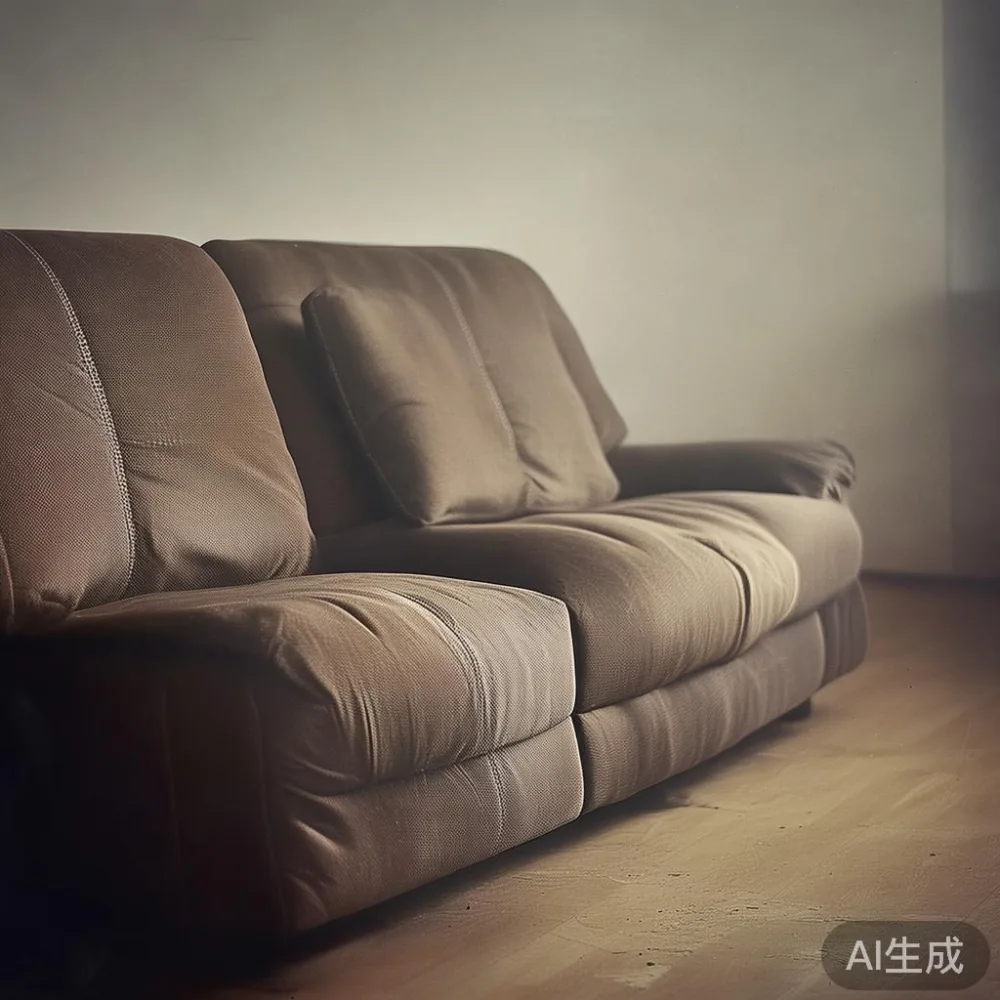
The effects of high humidity on a recliner sofa can be subtle at first but become more pronounced over time. The most common and often first sign is swelling. You might notice that the wooden armrests or the base frame of your sofa feel tighter than they used to. A door on a cabinet attached to the sofa might stick, requiring a firm push to open. As the wood continues to absorb moisture, the finish on the surface can be compromised. Water-based lacquers, common in modern furniture, can become cloudy or develop white spots known as blushing, as moisture gets trapped beneath the surface. In more severe cases, the wood can warp. This means the flat surface of a table top or a side panel might bend or twist, creating an uneven surface. For a recliner sofa, this could mean the wooden components supporting the reclining mechanism might not align correctly, affecting its smooth operation. The constant expansion and contraction can also lead to small cracks, or checks, appearing in the wood, especially at the end of grains or on thin surfaces like table edges.
How Do Singapore's Specific Living Conditions Amplify the Problem?
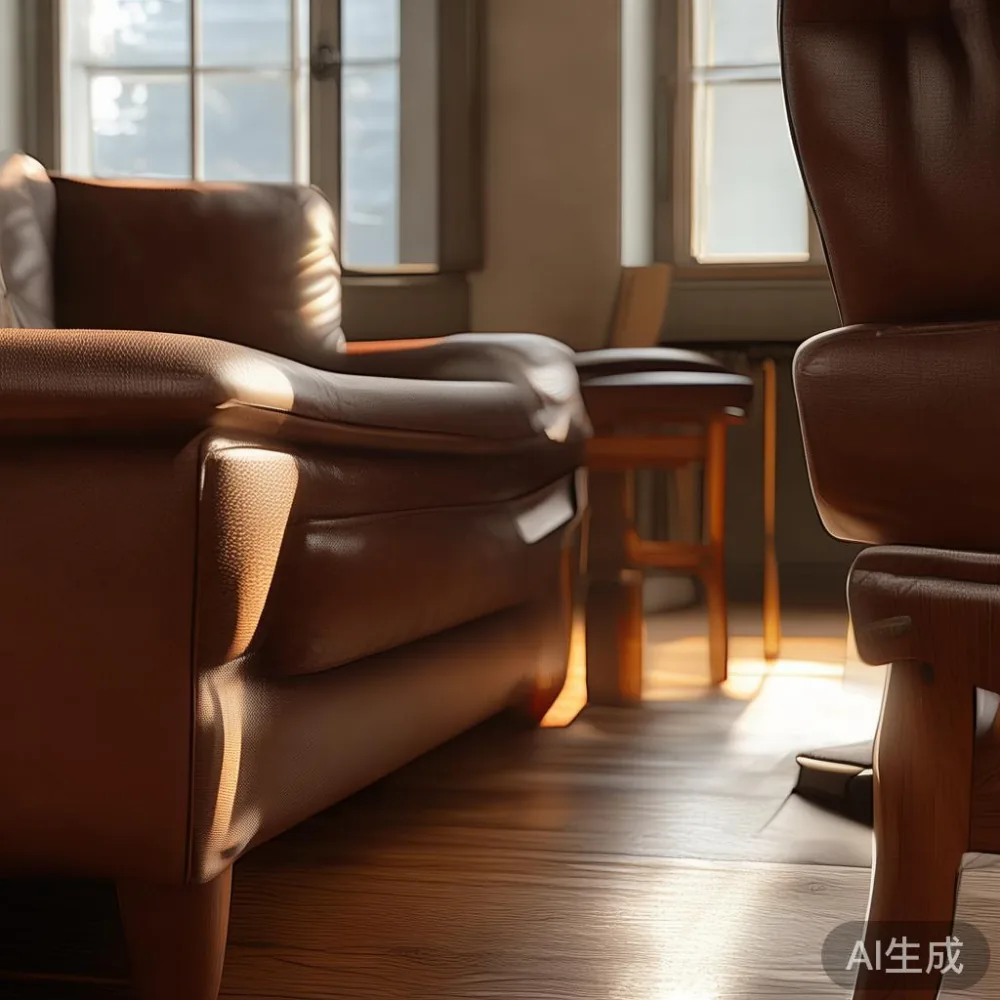
Singapore's climate is a significant factor, but so are our living spaces. The design of our HDB flats and condos, while practical, can create microclimates that are even more humid. Consider the common practice of drying laundry indoors. In a 4-room HDB flat in Bedok, the moisture from a full load of laundry can significantly raise the humidity level in the living room for hours. This concentrated moisture is a direct challenge for any wooden furniture in the vicinity. Also, the lack of cross-ventilation in many older apartments or smaller units means the humid air has nowhere to go, becoming trapped around your recliner sofa. The materials in our homes also contribute. Concrete and brick walls, common in Singapore construction, do not breathe. They hold moisture, and when combined with the outdoor humidity, they prevent the indoor air from drying out effectively. Even our daily activities, like cooking in a compact kitchen without an extractor fan, can release steam that travels through the open-plan living areas, bathing the furniture in moisture.
Is a Solid Wood Recliner Sofa a Good Choice for Singapore's Climate?
This is a question many homeowners ask. The answer is nuanced. A solid wood recliner sofa is not a bad choice for Singapore, but it is a choice that requires a higher level of awareness and maintenance. The key lies in the type of wood and the quality of its construction and finishing. Solid wood furniture is prized for its durability and beauty, qualities that can last for decades. However, its vulnerability to humidity means that a poorly made piece will fail quickly. A well-crafted piece, on the other hand, is designed to withstand these environmental challenges. The quality of the joinery is paramount. Dovetail joints, mortise and tenon joints, and dowels are much more resistant to the stresses of wood movement than simple butt joints or staples. These traditional methods allow the wood to expand and contract without coming apart. The finishing is equally important. A high-quality, multi-layered finish acts as a protective barrier, slowing down the rate at which moisture can penetrate the wood. For a light luxury aesthetic, a French provincial sofa, for example, might feature a hand-applied varnish that offers superior protection compared to a simple spray-painted finish. The choice is ultimately between a piece of furniture that will last a lifetime with proper care and one that may succumb to the environment within a few years.
What Can I Do to Protect My Recliner Sofa?
Protecting your investment in a recliner sofa is about managing the environment around it. The most effective strategy is to control humidity levels. A dehumidifier is an excellent tool for this. For a living room of about 25 square meters, a dehumidifier with a capacity of 20 litres per day is sufficient. Running it for 6-8 hours, especially during the night or when you are out, can make a significant difference. It's important to empty the water tank daily; a full tank weighing about 15 kg can become a breeding ground for bacteria. Air circulation is another critical factor. Simply opening your windows for 15-20 minutes a day, even in the condo with a narrow corridor in Punggol, can help replace the stale, humid air with drier air from outside. Positioning your furniture away from direct sources of moisture is also a simple but effective step. Avoid placing your recliner sofa directly next to an air-conditioning unit, as the cold condensation can drip onto the wood. Similarly, keep it at least 50 cm away from any external walls that might feel damp. Finally, regular maintenance is your best defence. Dusting your furniture with a soft, dry cloth removes dust particles that can hold moisture against the surface. Every 6 to 12 months, applying a high-quality furniture polish or wax can replenish the protective layer on the wood, helping to repel moisture.
How Does MIDHILL Address the Humidity Challenge?
When selecting a recliner sofa, the manufacturer's approach to humidity is a key indicator of quality. Established brands like MIDHILL, which has been creating solid wood furniture since 2008, understand these challenges deeply. Their process begins with material selection. They often use kiln-dried wood, a process where the wood is dried in a controlled environment to a specific moisture content, typically between 8-10%. This pre-treatment reduces the amount the wood will move in response to Singapore's humidity. The construction methods employed are also designed for longevity. The use of corner blocks, dowels, and other reinforcements in the frame of a recliner sofa ensures that the joints remain strong even as the wood expands and contracts. The finishing process is another area where quality brands excel. They apply multiple coats of a durable, moisture-resistant lacquer or varnish, which is then hand-sanded and polished between each coat. This meticulous process creates a hard, protective shell that shields the wood from the humid air. This attention to detail is what allows for a 10-year structural warranty, a promise that the frame of the recliner sofa will remain sound and stable despite the environmental pressures.
My Experience: A Recliner Sofa in a Singapore High-Rise
Last month, I visited the home of a colleague who lives in a 32nd-floor condo in Tampines. She had purchased a solid wood recliner sofa from a well-regarded brand two years ago. She was initially worried about the humidity, but her experience has been entirely positive. She showed me the sofa, and I was impressed. The wood grain was rich and deep, with no signs of swelling, warping, or cracking. She attributes this success to a simple routine. She runs a dehumidifier in her living room for about 7 hours every night. She also makes it a point to open the balcony sliding doors for 20 minutes every morning while she has her coffee. Her 5-year-old son loves to help dust the sofa with a microfiber cloth every weekend. She mentioned that while her initial investment was higher than for a sofa made of engineered wood, the peace of mind and the quality of the piece have made it completely worthwhile. She sees her recliner sofa not just as furniture, but as a long-term companion in her home, one that has gracefully adapted to Singapore's unique climate.
What About Other Furniture in the Humid Singapore Home?
While this article focuses on the recliner sofa, the principles of humidity management apply to all solid wood furniture in your home. A MIDHILL dining table, for instance, faces the same challenges. A large, solid wood dining table can expand by several millimeters across its width in high humidity. This is why quality dining tables often have leaves that can be removed to allow the table to contract, or they are constructed with a 'floating' top mechanism that allows for movement without cracking the frame. Similarly, a wardrobe needs to withstand humidity to prevent the door from sticking or the drawers from becoming misaligned. A light luxury American sofa, with its clean lines and often lighter wood tones, requires the same level of care as a more ornate French provincial sofa. The choice of furniture for a Minimalist for small living room aesthetic in a Singaporean condo must still be informed by an understanding of climate. Even a simple nightstand or a bed frame needs to be made from properly dried and well-finished wood to ensure its longevity. The key takeaway is that humidity is not a problem to be feared, but a condition to be managed, regardless of the style or type of furniture you choose.
Choosing the Right Furniture for a Humid Climate: Key Considerations
When shopping for furniture in Singapore, it's wise to ask specific questions about how a piece is made. Inquire about the wood-drying process. A reputable seller will be able to tell you if the wood has been kiln-dried and to what moisture content. Ask about the type of joints used in the construction of the recliner sofa. Look for descriptions like 'dovetail joints' or 'mortise and tenon' construction. Examine the finish. A high-quality finish should feel smooth and glassy, not sticky or rough. You can also ask about the warranty. A 10-year structural warranty, like the one offered by some manufacturers, is a strong indicator of confidence in the product's ability to withstand environmental stress. Consider the style of the furniture. The debate between an American sofa vs French provincial sofa often comes down to aesthetics, but both can be excellent choices if constructed properly. The question is not is French provincial sofa worth it, but is a well-made French provincial sofa worth it for my specific home environment? The same logic applies to finding the best Italian light luxury bed for 2026 or any other piece; quality and craftsmanship should be the primary concerns. For those on a budget, looking for pieces under 2000 Minimalist furniture still requires a focus on solid wood construction and a good finish, rather than simply chasing the lowest price. Ultimately, how to choose French provincial sofa or any other style of wood furniture in Singapore comes down to understanding the materials and the manufacturing process.
Final Thoughts on Living with Wood in Singapore
Owning solid wood furniture in Singapore is a rewarding experience. The warmth, character, and durability that a well-made recliner sofa or dining table brings to a home are unmatched. It connects us to a tradition of craftsmanship that has stood the test of time. The high humidity is simply a part of our local reality, a challenge that can be easily managed with a little knowledge and care. By choosing furniture from makers who understand these challenges and by taking simple steps to control your home's environment, you can enjoy the beauty of natural wood for many years to come. It's about creating a harmonious balance between your lifestyle, your home, and the materials that fill it. A recliner sofa is more than just a place to sit; it's a centrepiece for your life, and with the right care, it will remain a beautiful and functional part of your Singaporean home for decades.