Recliner Sofa: What Actually Drives the Price of Solid Wood Furniture?
Solid wood furniture is often sold on the strength of photographs: a warm timber tone, a softly curved recliner sofa, or a sculptural bed frame photographed in a sunlit room. Price, however, is shaped by measurable decisions made long before the finished piece reaches a Singapore flat. Timber selection, moisture control, joinery, dimensions, hardware, finishes, and delivery logistics all affect the final cost.
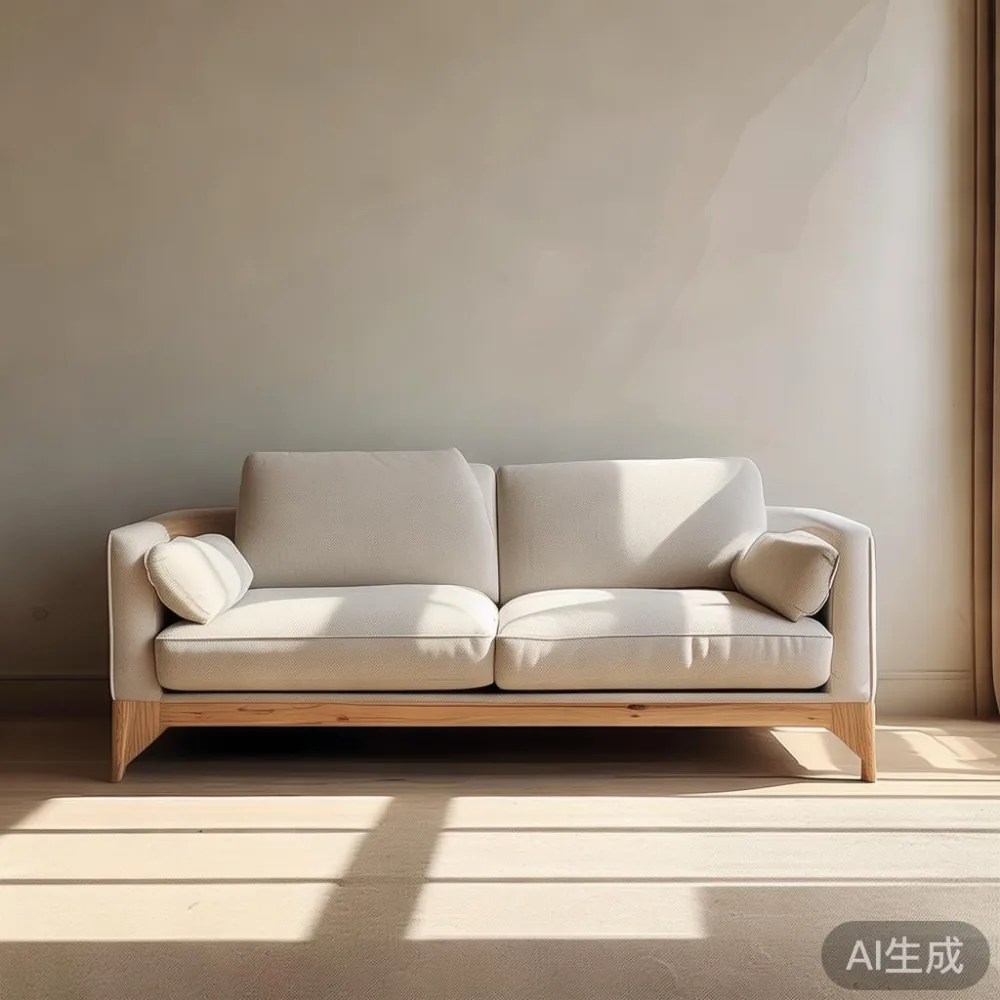
I visited a Foshan factory last month with our product team. We measured a solid oak dining table panel at 3.2 cm before assembly and checked cartons that had travelled more than 2,500 km. The most expensive-looking board was not automatically the most expensive to make. A stable, well-dried board with controlled movement was easier to machine and finish. An irregular board that twisted after drying could consume far more labour. That observation changed how I evaluate a quoted price: I now ask what the factory is controlling, not merely which species is named.
This guide explains those cost drivers without pretending that one universal price fits every home. It also considers the practical dimensions of Singapore HDB flats and condos in Tampines, Bedok, and Punggol, including lift openings, corridor turns, GST, and delivery timing.
What determines the price of a solid wood furniture piece?
The starting point is the timber itself. Solid hardwoods such as oak, ash, walnut, and teak differ in raw material cost, drying behaviour, grain consistency, and machining requirements. Wholesale prices can move with harvest cycles, regional demand, and exchange rates. A quoted oak dining table may therefore cost more in one quarter than the same construction in another.
Wood grade matters as well. “Solid wood” describes the structural material, not every surface detail. A board selected for a wardrobe carcass can tolerate knots and small colour variations that would be unacceptable on the visible front of a nightstand. Furniture made with mixed grades may be perfectly serviceable in concealed areas while premium boards are reserved for doors, drawer fronts, or table aprons.
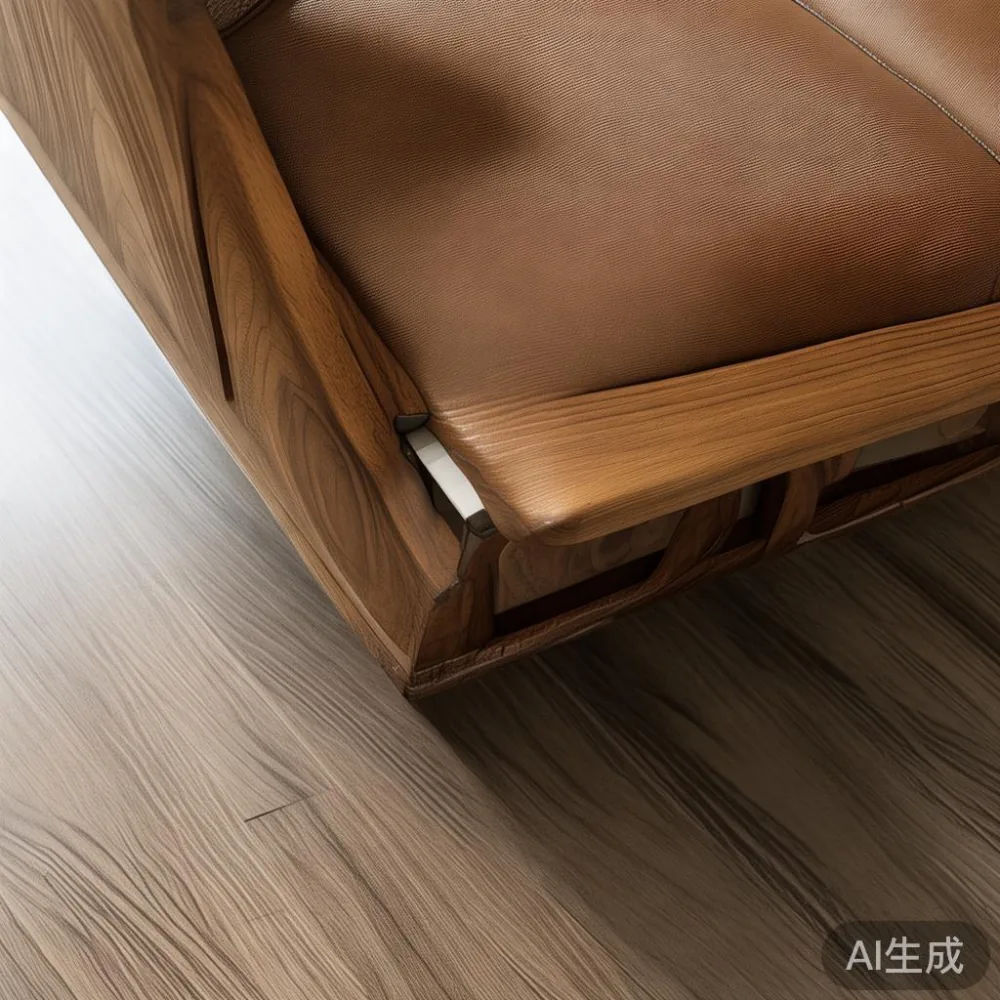
Thickness is a useful, concrete comparison. A 2.0 cm apron and a 4.0 cm apron do not carry the same timber cost or machining time. Yet a very thick table can be visually heavy in a compact dining area. For a 180 cm table, a 3.0 cm top may provide sufficient visual presence without consuming unnecessary floor space. Price should be judged against usable dimensions and construction, not thickness alone.
The exact species is only one line in the quotation. A buyer comparing under 2000 European furniture should request the board thickness, grade, finish system, hardware, and dimensions. This makes two similar-looking products comparable without relying on vague marketing language.
How much should solid wood furniture cost in Singapore?
There is no defensible single price for every solid wood furniture piece. A compact solid wood nightstand, a 220 cm wardrobe, and a recliner sofa with a powered mechanism occupy different material and labour categories. Still, clear ranges help buyers identify whether a quotation contains realistic allowances.
A straightforward solid wood nightstand with 2 drawers may fall around SGD 450–SGD 900 before GST. A solid wood bed frame may range from roughly SGD 900–SGD 2,200, depending on the timber, headboard design, slat system, and mattress clearance. A six-seat solid wood dining table may sit around SGD 1,600–SGD 3,200. A larger wardrobe commonly starts near SGD 1,800 and can exceed SGD 3,500 when fitted with drawers, mirrors, internal fittings, or curved doors.
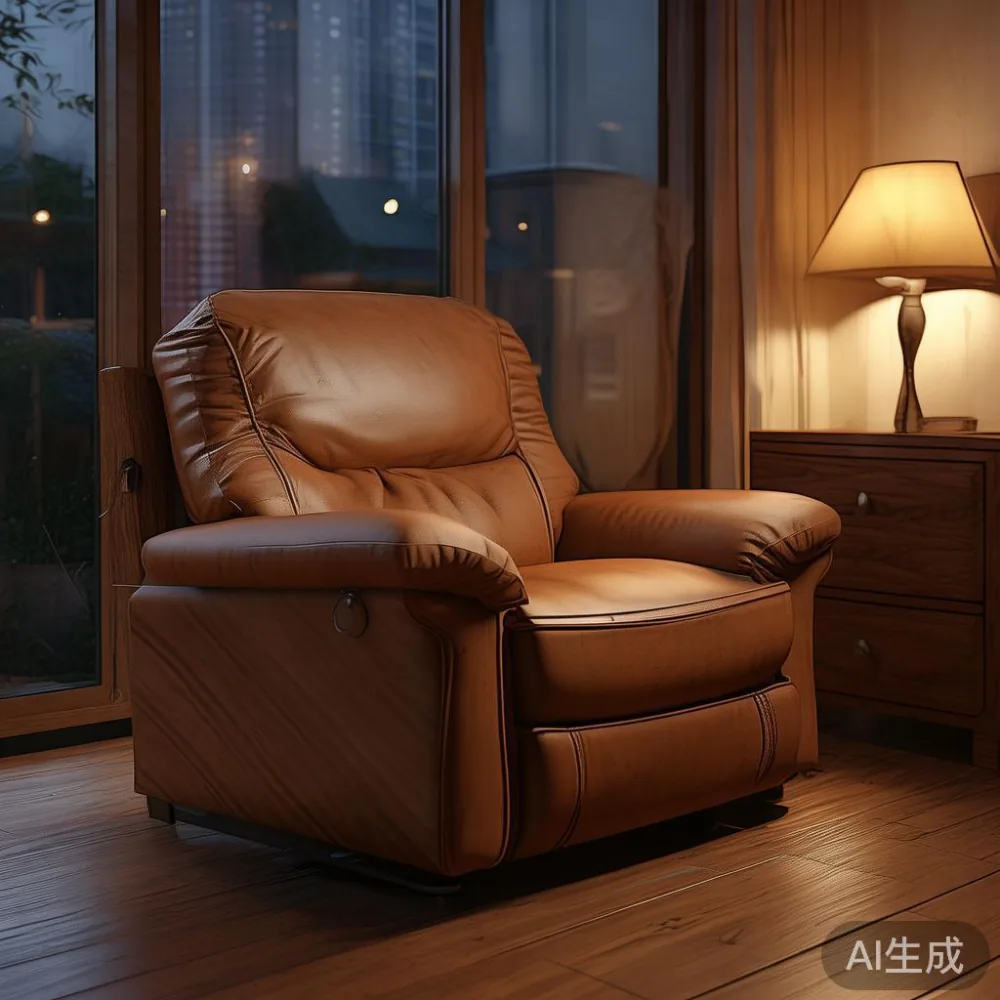
For a recliner sofa, expect more variation because upholstery and mechanisms are substantial components. A manual solid wood recliner sofa may begin around SGD 1,800, while a powered model with higher-grade fabric or leather can reach SGD 4,000 or more. These are guide ranges, not universal rules. GST adds 9% to the advertised selling price in Singapore.
When researching the best European light luxury bed for 2026, I would focus less on the phrase itself and more on the bed’s engineering: centre support, slat spacing, floor clearance, and whether the headboard projects too far for a tight bedroom. A visually refined design cannot compensate for weak support.
Is solid wood more expensive than engineered wood?
Usually, yes, though the difference depends on the construction. Engineered boards can use thin veneers over particleboard or MDF, reducing raw timber consumption. Solid wood uses larger sections of timber throughout the visible and structural components. That material must be selected, dried, cut, joined, and finished with tighter tolerances.
Engineered wood is not a defective material. It can provide useful consistency for cabinets and flat panels, and it may be appropriate where low weight or dimensional stability matters. The higher price of a solid wood bed frame or dining table reflects more timber, greater weight, and often more demanding joinery. It is not simply a premium label.
Weight is another factor buyers can check. A 200 cm solid oak dining table might weigh approximately 55–85 kg, depending on its top and frame design. A solid wood wardrobe may weigh 100–180 kg. These figures affect delivery planning and installation. They also reveal why a low quotation for a very large solid wood piece deserves closer inspection.
Joinery tells a clearer story. Mortise-and-tenon joints, dowelled drawer boxes, and properly secured table aprons require setup and precision. Hidden fasteners may make assembly faster, but they do not remove the need for adequate load paths. For a dining table, the apron and legs must resist racking. For a wardrobe, the carcass must remain square under the load of hanging garments.
Does finish quality explain a large price difference?
It often does. Finishing is labour-intensive because timber must be prepared progressively: sanding, filling, sealing, colour work, drying, and applying the final protective layers. A clear matte finish may require fewer visible pigment steps than a smoked, fumed, or deeply stained finish. The latter can require additional sanding to expose grain and more careful control to avoid trapped moisture.
Ask what the finish is called and how many coats are included. “Natural wood” may mean clear lacquer, hardwax oil, or a low-sheen coating. These are not interchangeable. Hardwax oil leaves a tactile matte appearance and generally requires periodic care. Lacquer creates a more continuous surface but repairs can be conspicuous. In Singapore’s humid environment, good preparation and a sealed underside are especially important.
For a marble table, the price logic changes. The stone slab, edge profile, reinforcement, and load distribution can outweigh the cabinet structure. A marble top may add 15–40 kg to a table, so its cabinet and floor clearance need appropriate support. A dining table with a 2 cm marble slab should not be treated like a lightweight timber table simply because both have four legs.
French light luxury often emphasises pale woods, restrained profiles, gentle curves, and tactile upholstery. American light luxury tends toward generous seating, deeper comfort, and substantial proportions. Post-modern light luxury may pair warm timber with clean geometry and contrasting forms. These stylistic approaches influence labour and material choices, but the finish specification is where the price difference becomes measurable.
How should I compare a recliner sofa beyond its price?
A recliner sofa combines timber framing, cushioning, upholstery, and a reclining mechanism. Each part has its own failure points. A buyer should open and close the mechanism in the showroom if possible, then check whether the seat returns smoothly and whether the back remains supported at full extension.
Measure the closed and extended depth. A recliner sofa labelled 95 cm wide may extend to approximately 155–175 cm, depending on the mechanism and footrest. In a Singapore condo living room, allow at least 15 cm beyond the extended footrest for circulation. Wall clearance should also be checked, since some manual models require the front edge to travel forward rather than backward.
Seat height is equally important. A 42–45 cm seat can be comfortable for many adults, but an extended recliner should not force the user’s knees sharply upward. Recline resistance, armrest support, and the transition from upright to reclined should all be tested.
Upholstery affects both price and maintenance. Fabric may be easier to replace in sections, while leather can develop a patina but may show scratches sooner on lighter hides. Ask for the actual textile or leather specification, removable-cover options, and cleaning guidance. A timber-only specification does not explain the quality of the cushions beneath it.
For Singapore homes, delivery access should be part of the product decision. A standard HDB lift opening may be around 80–90 cm wide and approximately 100–140 cm deep, although building specifications vary. Corridor turns and the sofa’s packaged dimensions can be more restrictive than the doorway itself.
Will a solid wood sofa fit through my HDB lift and corridor?
It may fit, but do not assume from the product dimensions. Measure the lift door, lift car, landing, corridor width, tightest turn, and stair or service access. A recliner sofa should be delivered with removable arms, back sections, or seat cushions where the design allows. Two delivery workers may be able to turn a 90 cm corridor; a single worker may not be able to pivot a bulky package safely.
Measure the packaged item as well as the assembled item. A 210 cm solid wood sofa can have carton dimensions of roughly 115 × 65 × 55 cm, but this varies by model. If a carton exceeds the lift car’s usable diagonal space, the furniture may need to be carried up a staircase. That adds time, labour, and risk, and it should appear in the delivery quotation.
For a bed frame, the two long side rails may separate from the headboard and footboard. A king-size mattress commonly measures about 183 × 203 cm in Singapore, but the bed’s outer dimensions should be checked before ordering. A tight 3.0 m bedroom may limit a 220 cm bed with wide side rails, leaving only 40 cm on each side.
For an Italian light luxury for bedroom direction, focus on proportion rather than decorative excess. A wide upholstered headboard can add 8–12 cm to the wall projection of a bed. In Bedok or Tampines flats where every centimetre matters, a slimmer headboard may preserve more usable floor area.
How much do delivery, GST, and after-sales service affect the final price?
Delivery is not merely a courier trip. It may include protective packaging, scheduled handling, carrying to the door, assembly, packaging removal, and a second visit if access information was incorrect. Confirm whether the quoted price includes GST, lift booking, stairs, and extra carrying distance. A ground-floor HDB delivery may take 20–40 minutes; a fourth-floor walk-up without a suitable lift can take considerably longer.
Lead time matters too. A made-to-order wardrobe or bed frame may require 30–60 days, while stocked configurations may be available in 7–21 days. Remote-area or scheduled deliveries can add 3–7 days. A clear estimate is more useful than an unrealistically short promise.
After-sales terms are part of the total ownership cost. MIDHILL provides a 10-year structural warranty on eligible solid wood furniture, along with lifetime refinishing. That support has measurable value because a minor surface repair or refinishing cycle can otherwise cost several hundred Singapore dollars. The warranty’s scope should still be read carefully, including exclusions for accidental damage, ordinary surface wear, and commercial use.
MIDHILL also offers free shipping on orders over US$350 and a 14-day return window. International shipping terms and the treatment of bulky furniture should be confirmed before payment. The return condition for a assembled solid wood wardrobe or bed frame may differ from that of an unopened boxed item.
What should I request before paying for a solid wood furniture order?
Request a written specification: timber species, solid wood coverage, board thickness, dimensions, finish, joinery, hardware, load rating where relevant, assembly method, delivery lead time, and warranty terms. For a recliner sofa, ask for the mechanism type, extended depth, supported reclining angle, cushion density, and upholstery code.
For a Mid-century modern dining table, investigate the top profile, leg taper, underside, and stability. A 180–200 cm table should have a supporting apron or equivalent load path rather than relying only on four decorative legs. Italian light luxury for bedroom searches should also consider drawer travel, wardrobe hanging space, and bed access rather than relying on visual style alone.
For Mid-century modern for office layouts, the desk should be compared with the chair and clearance needed to move it. A 140 × 70 cm desk may suit a compact study, while a 160 × 80 cm model offers more surface area but needs 10 cm more width. Cable routing, drawer placement, and whether the person sits facing a wall or a window can influence the preferred arrangement.
When evaluating under 2000 Rustic furniture, ask whether “rustic” describes reclaimed timber, intentional knots, a textured finish, or merely a distressed surface. Reclaimed material involves sorting, cleaning, checking, and potentially reinforcing old fasteners. Those steps account for labour that may be difficult to see in a product image.
Finally, compare the total landed cost. Divide the GST-inclusive price by the dimensions and service included, then consider the expected ownership period. A piece that fits, functions correctly, and can be maintained may offer more practical value over 10 years than a less expensive one that must be replaced after 3 years.
How can I tell whether a price is fair?
A fair price leaves enough budget for the material, preparation, construction, finish, and support that the buyer expects. Ask for the missing details. A low cost can be reasonable for a simplified design, a smaller size, or a less demanding finish. It is harder to defend when the quotation omits timber thickness, mechanism specification, or warranty coverage.
Look for consistency between samples and final goods. Grain variation is natural, but the colour, sheen, and texture should remain recognisable. Confirm that drawer fronts align, doors operate without rubbing, joints remain tight, and the table does not rock on a flat floor. For a recliner sofa, check the movement repeatedly; a smooth demonstration is more informative than a polished close-up photograph.
Price is a signal, not a verdict. The strongest value comes from a solid wood sofa, bed frame, dining table, wardrobe, nightstand, or marble table whose specifications match the space and the use. It also comes from knowing exactly what the seller will do if a component arrives damaged, a mechanism develops a fault, or the finish needs attention in year five.