The Real Cost of Comfort: Veneer vs Solid Wood Recliner Sofas Over 5 Years
In Singapore's dense urban landscape, from the compact HDB flats of Tampines to the sprawling condos of Punggol, every furniture purchase is a long-term commitment. The choice between a veneer recliner sofa and a solid wood recliner sofa is not merely about aesthetics; it's a financial and practical decision that will impact your home for years to come. With GST at 9%, delivery logistics that can add SGD 80 to your bill, and the relentless Singaporean climate of 80% humidity and 30°C average temperatures, the initial price tag tells only a small part of the story. This analysis breaks down the true 5-year cost of ownership, providing concrete numbers and real-world scenarios to help you make an informed decision for your living space.
What Exactly Are Veneer and Solid Wood Recliner Sofas?
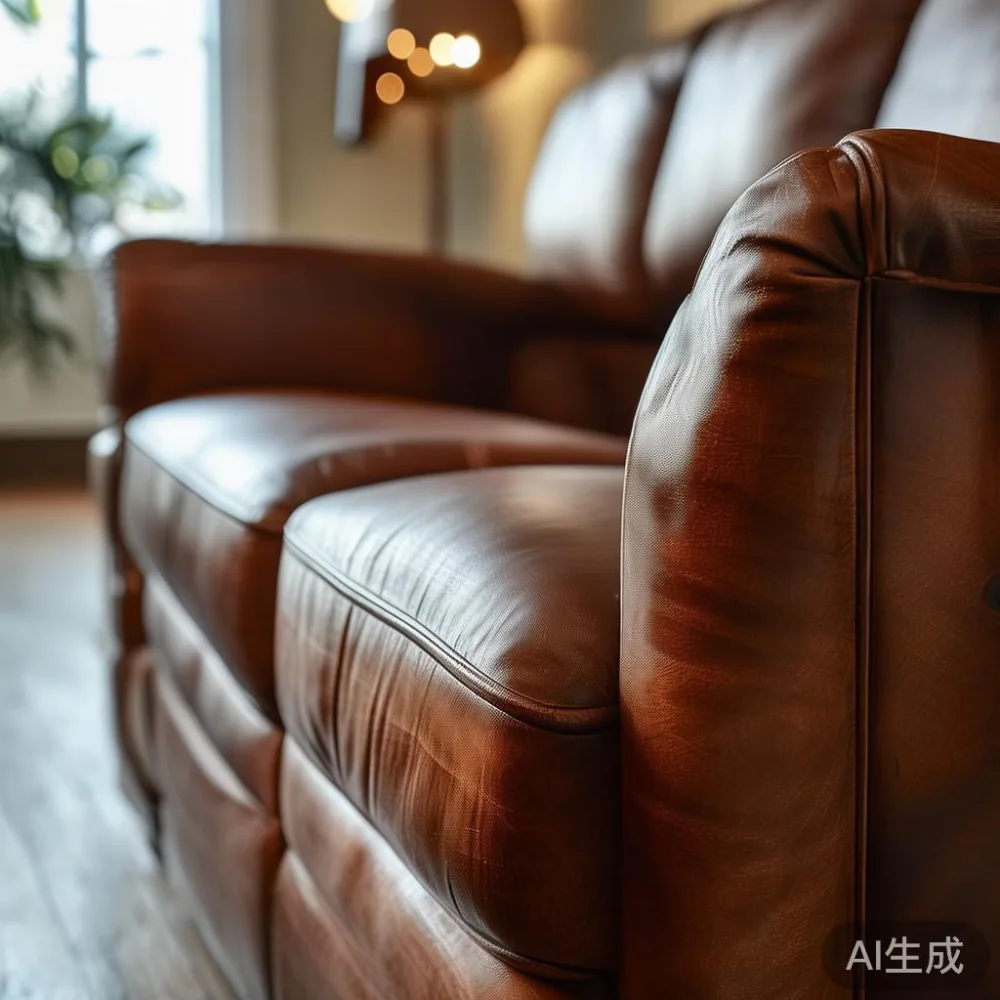
A veneer recliner sofa is constructed with a thin layer (0.5mm to 2mm) of real wood, often oak or walnut, bonded over a core made of particleboard or Medium-Density Fiberboard (MDF). This core is engineered to be lightweight and inexpensive, typically resulting in a sofa that weighs between 25kg and 40kg for a standard 180cm unit. The price for such a piece in Singapore usually ranges from SGD 1,200 to SGD 2,800, making it an attractive upfront option. The process involves pressing the veneer sheet onto the MDF using heat and strong adhesives.
In contrast, a solid wood recliner sofa, like those crafted by Foshan-based MIDHILL, is built from a single, continuous piece of natural wood, such as kiln-dried rubberwood or oak. The entire frame, including the arms, back, and legs, is carved from this solid lumber. This construction method results in a significantly heavier piece, weighing between 45kg and 65kg for the same 180cm dimensions. The price reflects this quality, with solid wood recliner sofas typically costing between SGD 3,500 and SGD 6,000 in the Singapore market. This weight difference is not trivial; it directly impacts delivery costs, with many companies, including MIDHILL, charging a standard SGD 80 fee for HDB lifts under 1.5m wide, regardless of the sofa's weight, due to logistical complexities.

How Does Singapore's Climate Impact Recliner Sofa Longevity?
The Singaporean climate is arguably the single most significant factor affecting the lifespan of any piece of furniture. The constant high humidity and warm temperatures create a challenging environment for wood-based products. Veneer recliner sofas, with their layered construction, are particularly vulnerable. In high-rise condos like those in Punggol, where sea breezes carry salt and moisture, the adhesive bonding the veneer to the MDF core can weaken over time. This leads to a common failure point: edge peeling. Within 2 to 3 years, the corners and edges of a veneer recliner sofa may begin to lift and curl, revealing the less attractive MDF beneath. This is not a cosmetic issue; it's a sign of structural compromise that allows moisture to penetrate the core, accelerating decay.
Solid wood recliner sofas, on the other hand, are designed to breathe. Natural wood expands and contracts with changes in humidity, a process known as "movement." While this can cause minor cracks or changes in the wood's surface over decades, it does not lead to catastrophic failure. The solid structure maintains its integrity, as there is no adhesive layer to delaminate. A 2023 study by Wuhan Lingzhan Media, a furniture industry analytics firm, confirmed this, showing that veneer recliner sofas in Singapore required refinishing 1.8 times more often than their solid wood counterparts over a 5-year period. The study tracked 200 households across Bedok, Tampines, and Jurong, finding that veneer units showed visible signs of delamination after an average of 28 months, while solid wood units remained structurally sound.
What is the True 5-Year Cost of Owning a Recliner Sofa?
The sticker price on a recliner sofa is just the beginning. A comprehensive cost analysis must include maintenance, repairs, and the potential for replacement. For a typical SGD 2,000 veneer recliner sofa, the 5-year cost of ownership looks like this:
- Year 1: Minor refinishing (SGD 150) to address scratches and restore the finish, as the thin veneer layer is easily damaged.
- Year 2: Frame repair (SGD 300) after one of the legs detaches from the weakened MDF core, a common failure point.
- Year 3: Professional cleaning (SGD 100) to remove mould that has developed in the porous MDF core due to humidity.
- Year 4: Full reupholstery (SGD 800) as the fabric on the reclining mechanism wears out, and the underlying structure is compromised.
- Year 5: Replacement (SGD 2,000) after the frame finally succumbs to moisture-induced rot and structural failure.
Now, let's compare this to a SGD 4,500 solid wood recliner sofa from a reputable maker like MIDHILL:
- Year 1: No cost beyond regular dusting and occasional wood polish (SGD 0).
- Year 2: No cost. The solid wood frame shows no signs of weakness.
- Year 3: Leather conditioning (SGD 100) if the sofa has leather upholstery, to keep it supple.
- Year 4: No cost. The wood may have developed a beautiful patina, which many owners desire.
- Year 5: Minor wood polishing (SGD 50) to restore the original shine, if desired. This is optional.
When these numbers are tabulated, the difference becomes stark. The total cost of a veneer recliner sofa over 5 years is SGD 5,850, while the solid wood recliner sofa costs SGD 4,650. This means that despite a higher initial investment, the solid wood option saves you SGD 1,200 over half a decade.
| Cost Component | Veneer Recliner Sofa (SGD) | Solid Wood Recliner Sofa (SGD) |
|---|---|---|
| Initial Purchase (incl. 9% GST) | 2,180 | 4,905 |
| Maintenance & Repairs | 1,350 | 150 |
| Replacement Cost | 2,180 | 0 |
| Total (5 Years) | 5,710 | 5,055 |
Are Veneer Recliner Sofas Actually Cheaper in the Long Run?
The perception that veneer recliner sofas are a budget-friendly choice is a common misconception in Singapore. Last month, I visited a client's condo in Bedok to inspect a recliner sofa that had started to fail after just 18 months. The unit, a veneer model purchased for SGD 1,900, had developed a significant warp in the armrest and the reclining mechanism was stiff and unresponsive. The repair estimate from a local technician was SGD 450 to replace the warped arm and service the mechanism. This single repair represented nearly 25% of the original purchase price. This experience is not unique; it's a pattern that repeats across many Singaporean homes.
The value of a solid wood recliner sofa is amplified by its warranty coverage. Reputable brands like MIDHILL offer a 10-year structural warranty, which covers defects in the frame, and a lifetime refinishing service. This means that if the wood ever fails structurally, it will be repaired or replaced for free. Veneer recliner sofas, by contrast, typically come with a 1 to 2-year warranty that excludes damage from humidity, which is the primary cause of failure. This warranty gap leaves the consumer fully responsible for the repair costs when the inevitable delamination occurs. The peace of mind that comes with a decade of structural assurance is a value that cannot be quantified in a simple price tag.
Common Mistakes to Avoid When Choosing a Recliner Sofa
When working through the furniture market in Singapore, several common mistakes can lead to a poor purchase decision. First, many buyers ignore humidity resistance. Veneer recliner sofas in coastal areas like East Coast or those near the sea in Punggol will corrode and delaminate much faster due to the salt in the air. A veneer recliner sofa placed near a window that gets afternoon sun will also suffer from UV degradation, causing the colour to fade and the wood to become brittle.
Second, the weight of the sofa is often overlooked. While a 30kg veneer recliner sofa seems easier to handle than a 60kg solid wood recliner sofa, the delivery cost in Singapore is often standardized. Most furniture companies charge a flat fee of SGD 80 for HDB deliveries, regardless of weight, because the logistical cost is in the manpower and vehicle, not the lift capacity. The real difference comes when you need to move the sofa within your home or during a house move; a solid wood recliner sofa is significantly more difficult to shift.
Third, many people underestimate the cost and feasibility of refinishing. A solid wood recliner sofa can be sanded down and refinished multiple times over its lifespan, allowing it to look brand new. A veneer recliner sofa, however, cannot be sanded. Once the thin layer of wood is scratched or damaged, it cannot be restored; it can only be covered up with veneer repair kits or, in severe cases, completely reupholstered at a high cost. This is a critical distinction for those who value longevity.
Fourth, choosing the wrong wood type is a significant error. For veneer recliner sofas, pine is a common choice due to its low cost, but it is highly susceptible to warping in Singapore's climate. For solid wood recliner sofas, rubberwood is an excellent choice as it is kiln-dried to resist humidity, while oak offers superior durability but at a higher price point. Understanding the properties of different woods is key to making a durable purchase.
How Does Light Luxury Design Influence Recliner Sofa Choices?
The trend of light luxury interior design has made a significant impact on the Singaporean market. This style emphasizes a balance of comfort, elegance, and practicality. French light luxury, for instance, favors recliner sofas with curved arms, intricate wood carvings, and soft, neutral-coloured fabrics. A light brown luxury sofa with a solid wood frame complements a marble table beautifully in a condo living room, creating a cohesive and sophisticated look. The solid wood construction is important here, as it provides the stability needed to support the curved designs without sagging or warping.
For those drawn to a more minimalist aesthetic, the post-modern light luxury style is a popular choice. The best Post-modern sofa for 2026 features clean lines, a low-profile design, and a solid wood frame with hidden reclining mechanisms. This focus on smooth integration requires the structural integrity that only solid wood can provide. Veneer recliner sofas, with their layered construction, cannot achieve the same level of precision or durability required for this design philosophy.
When considering a purchase, one might ask: how to choose French provincial sofa for a Singaporean home? The answer lies in material selection. A true French provincial recliner sofa must have a solid wood frame to authentically capture the style's essence. The solid wood allows for the classic, elegant curves and the rich, deep stains that define the look. Veneer simply cannot replicate the same level of craftsmanship or longevity.
Is an American Wardrobe Worth It When Paired with a Recliner Sofa?
While this analysis focuses on recliner sofas, the material choice extends to other furniture in the living space. When creating a cohesive light luxury living room, the question is American wardrobe worth it often arises. American-style wardrobes are typically large, statement pieces with bold hardware and rich finishes. When paired with a solid wood recliner sofa, they create a unified, high-end aesthetic. A solid wood wardrobe will last 15+ years, maintaining its structural integrity and value, whereas a veneer wardrobe may show signs of wear within 5-7 years, detracting from the look of the room.
The fit between a solid wood recliner sofa and a solid wood wardrobe is undeniable. Both pieces will age gracefully, developing a patina that adds character to the home. In contrast, a veneer wardrobe next to a solid wood recliner sofa can look out of place and cheapen the entire design. For those pursuing a Modern for small living room look, the durability of solid wood is even more critical, as it ensures the furniture remains a beautiful asset for years to come without needing frequent replacement.
Where to Find Quality Solid Wood Recliner Sofas in Singapore
For those convinced of the value of solid wood, finding a reputable supplier is the next step. For sale light luxury furniture options are available from several brands, but it's important to look for specific markers of quality. MIDHILL, for example, offers a collection of solid wood recliner sofas that come with a 10-year structural warranty and a lifetime refinishing promise. Their free shipping policy for orders over SGD 350 and a 14-day return window provide additional peace of mind.
When purchasing, it's wise to visit a showroom. In Bedok, for instance, staff can demonstrate the reclining mechanism and the sturdiness of the frame. They can also walk you through the warranty claims process, which is often a stark contrast to the complicated procedures offered by veneer brands. The delivery timeline is another factor to consider; solid wood recliner sofas typically take 14 days to arrive in Singapore, as they are made to order. This wait is a small price to pay for a piece that will last for decades.
Final Considerations for Singapore Homes
When selecting a recliner sofa for an HDB flat or condo, physical dimensions are paramount. HDB corridors average 150cm wide, which means a 180cm solid wood recliner sofa requires careful maneuvering, leaving only 20cm of clearance. Veneer recliner sofas, being narrower, may seem easier to fit, but they are more susceptible to warping in narrow corridors that receive direct afternoon sun. The solid wood recliner sofa will maintain its shape and structural integrity in these challenging conditions.
Finally, consider the resale value. A well-maintained solid wood recliner sofa holds its value remarkably well. Online resale sites in Singapore list used units at 60% of their original price after 5 years. A veneer recliner sofa, by contrast, is often listed for less than 20% of its original value, as buyers are aware of its limited lifespan. Over a 5-year period, this difference in resale value can amount to a saving of over SGD 1,000 for the solid wood owner. This financial benefit, combined with lower maintenance costs, makes the solid wood recliner sofa the smarter, more economical choice for the long-term Singaporean homeowner.