5-Year Cost Comparison: Veneer vs Solid Wood Recliner Sofa
A recliner sofa in a Singapore HDB flat or condo has to work hard. It must fit through the lift, turn along the corridor, suit a compact living room, and still look refined after years of daily use. The material decision affects the purchase price, care routine, repair exposure and eventual resale value. For many households, veneer appears economical at checkout. Solid wood usually demands more upfront, but its 5-year cost can be more predictable when chairs, children, pets and frequent reclining are involved.

This comparison uses Singapore pricing in SGD, including GST where applicable, and focuses on a 210 cm wide three-seat recliner sofa with a manually extending seat and a solid timber or engineered-wood frame. It also considers solid wood sofa examples and compares them with lightly veneered alternatives of similar dimensions and finish. Actual delivery, access and maintenance conditions can shift the result, so the figures below should be treated as planning estimates rather than quotations.
What does a recliner sofa cost over 5 years in Singapore?
A lightly veneered recliner sofa may cost SGD 2,400 before delivery, while a comparable solid wood model may cost SGD 3,600. For a Singapore household, these figures are plausible starting points for a 210 cm unit with two manual recliners, foam cushions and a hardwood or multi-layer frame. A high-grade veneer may increase the price to SGD 2,900, while kiln-dried solid timber can bring a complete recliner sofa to SGD 4,200.
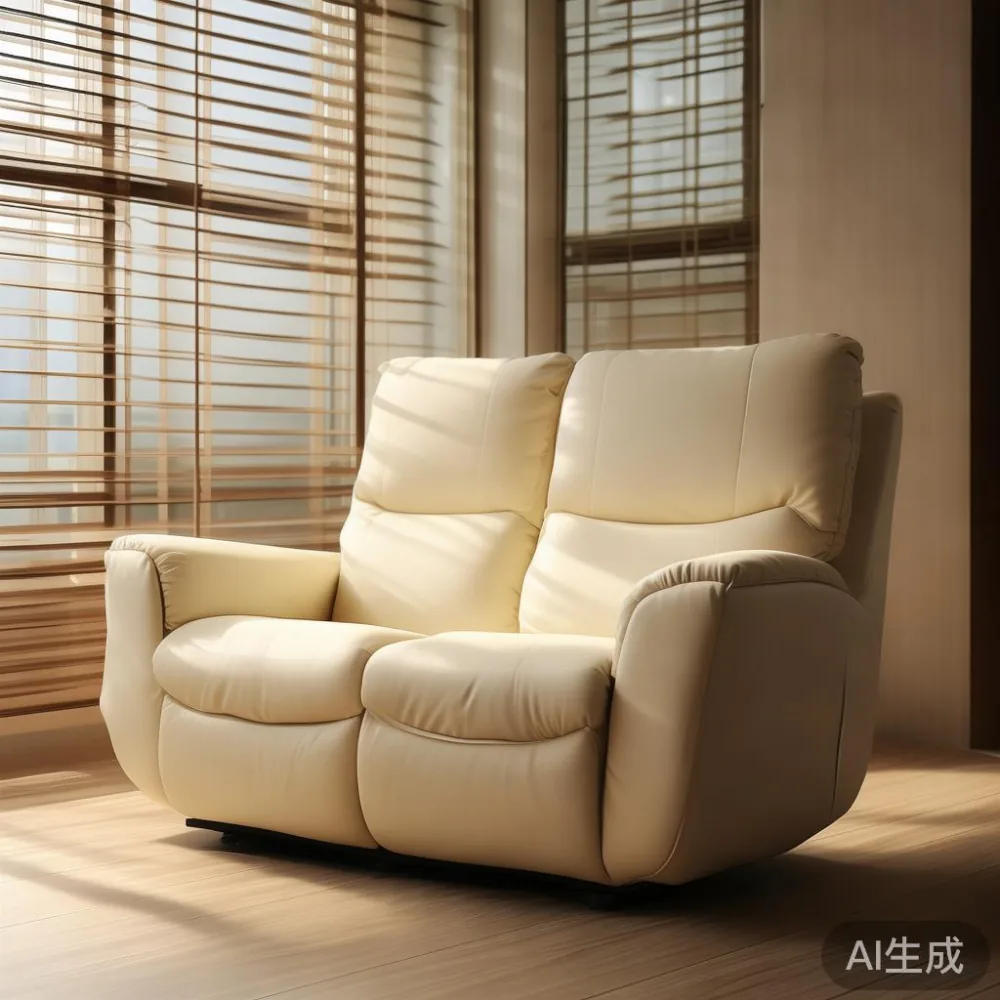
The 5-year calculation includes the sofa, delivery, routine care, one likely repair and a conservative allowance for finish wear. GST is included at 9% for a taxable household purchase; consumers with GST registration may recover it through their business. This distinction matters for self-employed professionals furnishing a home office or a serviced apartment.
For the basic comparison, the light-veneer model begins at SGD 2,400. A mid-range maintenance budget of SGD 180 per year reaches SGD 900 over 5 years, while one SGD 280 repair allowance is added. The estimated total is therefore SGD 3,580. The solid wood model begins at SGD 3,600, carries SGD 300 of annual care over 5 years, and receives the same SGD 280 repair allowance. Its estimated total reaches SGD 4,180.
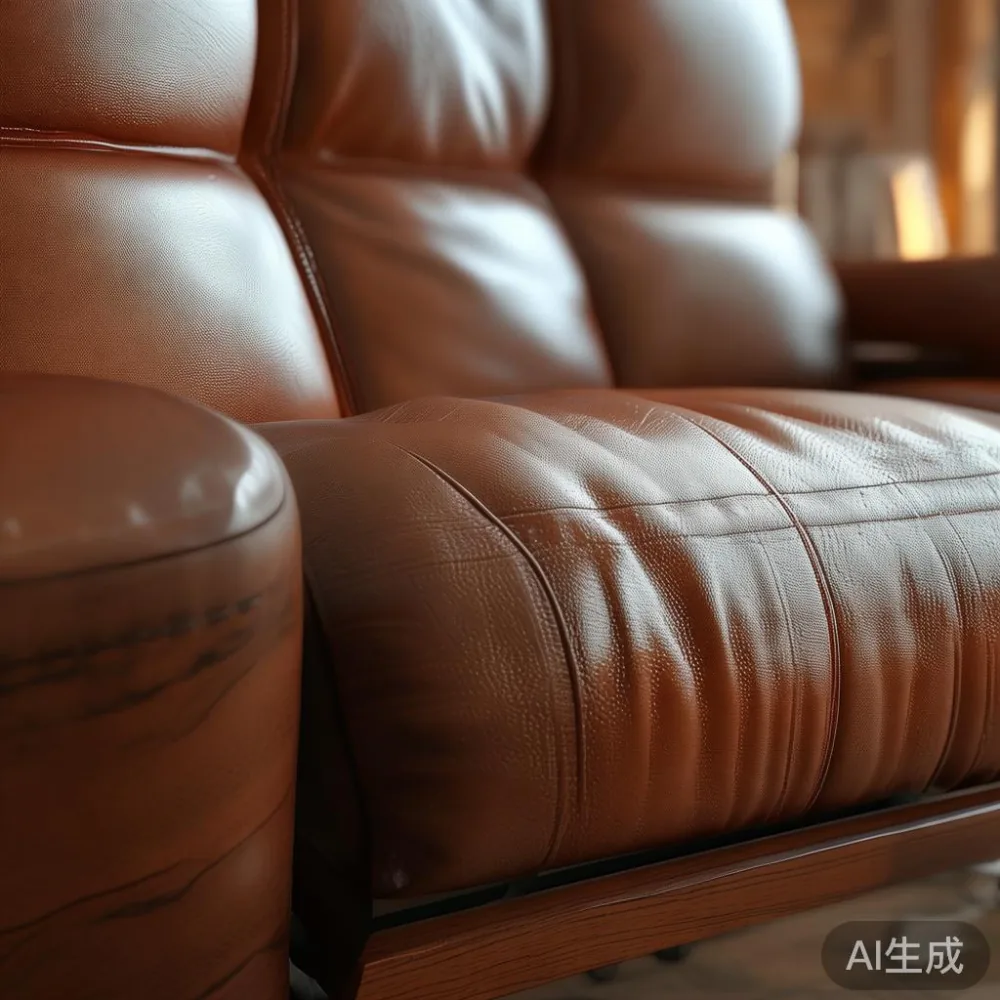
On paper, veneer costs SGD 600 less across 5 years. However, if the veneered chair loosens, delaminates at a corner or requires a replacement foot, another SGD 300–SGD 550 in parts and labour could erase that saving. Solid wood also has more repair options: a loose rail can be dowelled or screwed, a scuffed arm can be sanded, and a timber foot can often be turned and refinished.
This is why the purchase price alone is a poor guide. A recliner sofa experiences repeated load at the seat hinge, footrest and arm. A child may jump on it, a laptop may be placed on the extended cushion, and the unit may be moved twice during a move. Material matters most at those stress points.
How much cheaper is veneer after 5 years?
Using realistic serviceable examples, the answer is roughly SGD 250–SGD 800 before a major failure. A SGD 2,400 veneer recliner sofa with annual care of SGD 150 and one SGD 250 repair totals SGD 3,400. A SGD 3,600 solid wood recliner sofa with annual care of SGD 150 and one SGD 250 repair totals SGD 4,500. The 5-year difference is SGD 1,100.
At the other end of the range, a well-specified veneer unit at SGD 3,200 with modest care may total SGD 4,300 over 5 years. A premium solid wood unit at SGD 4,600 with careful maintenance may total SGD 5,600. Here, the difference is SGD 1,300. The material still favours veneer at purchase, but the gap narrows if the upholstered reclining mechanism is a short-life component in either construction.
Cost also depends on what “wood” means. A solid frame combined with plywood or engineered timber in hidden areas does not create the same repairability as an all-timber frame. Veneer is a thin layer of timber bonded to a composite panel; quality varies considerably. Confirm whether the visible recliner sofa surfaces are veneered plywood, particleboard or solid timber, and request the frame specification before paying.
For a three-seat model, weight is a useful indicator but not proof. Veneer may weigh 65–85 kg, while solid wood may weigh 85–120 kg. The heavier solid wood unit needs at least two delivery workers and often a third person for stairs. A Singapore lift with an internal depth of 1,100 mm and a door width of 900 mm may not accept a boxed 210 cm sofa on one side; door removal or corridor turning may be required.
Is veneer cheaper than solid wood for a recliner sofa?
Yes, usually. In this example, veneer is about 33% cheaper at checkout: SGD 2,400 against SGD 3,600. Over 5 years, the expected ownership cost is about 14% lower before an early component failure: SGD 3,580 against SGD 4,180.
That lower price reflects the manufacturing method. Veneer uses a comparatively thin outer timber layer over a panel substrate, reducing timber consumption and production cost. Solid wood requires timber preparation, drying, jointing and longer finishing processes. It offers greater repair freedom but not automatically greater comfort. Seat density, foam rebound, mechanism quality and frame geometry influence daily performance more than the outer finish alone.
Consider a family in Tampines with a 2-bedroom HDB flat. A 190 cm two-seat veneer option might cost SGD 1,950, leaving more space than a 210 cm model. A 205 cm solid wood version might cost SGD 3,250. If the family expects to reupholster or retain the sofa for 8–10 years, the timber option can justify its premium. If the sofa will be replaced after 4 years because the layout changes, the lower acquisition cost of veneer may be more rational.
Condo owners in Bedok or Punggol face another calculation. Marble table tops and built-in wardrobes may use French light luxury cues, yet a recliner sofa is usually the tactile centre of the room. Customers researching a European light luxury bed vs Italian light luxury bed may appreciate layered materials, but the same comparison applies: decorative veneer can reproduce a consistent timber appearance, while solid wood reveals grain variation and age-related movement.
What maintenance does veneer need compared with solid wood?
Veneer needs controlled humidity and gentle cleaning. Wipe with a damp cloth, avoid steam, keep liquids away from edges, and inspect the perimeter for lifting. Use a pH-neutral cleaner and avoid silicone-based products. If a household moves the sofa between Bedok and another property, carry it with the mechanism closed and protect the corners.
Solid wood also needs controlled humidity, but small marks are more often repairable. Sand a shallow abrasion, apply a matching oil or hardwax finish and allow it to cure for 24–48 hours. Deep scratches may need colour filling. Plan for one professional touch-up every 3–5 years, costing roughly SGD 120–SGD 250 per session. A full refinishing service may range from SGD 450 to SGD 900, depending on the part and finish.
Singapore’s humidity averages around 80% across the year, with monsoon periods bringing short periods of heavier moisture. Keep the sofa at least 20 cm from a wall where practical, use air-conditioning in bedrooms and living rooms, and avoid direct afternoon sun through west-facing condo windows. Relative humidity around 50–65% limits swelling and veneer edge movement. Measure with a hygrometer; a SGD 25 model is sufficient for a first check.
Upholstery maintenance follows the same budget in both cases. Vacuum weekly with a 120 W brush attachment, turn loose cushions monthly, and blot spills within 10 minutes. Fabric protection treatment may cost SGD 80–SGD 150. A leather recliner needs conditioning every 6–12 months; cream applications may add SGD 40–SGD 90 over 5 years.
Which material has the lower repair and replacement cost?
Solid wood normally has the lower repair cost after an accident. Veneer repair can require matching grain, replacing the damaged substrate and rebalancing moisture. A small edge chip might cost SGD 100–SGD 220, while a lifting panel or broken corner can cost SGD 350–SGD 800. Solid timber joints and feet are often easier to replace, with a typical local repair costing SGD 80–SGD 250.
That said, the reclining mechanism may cost the same in both. A replacement motorised mechanism could add SGD 550–SGD 1,200 including labour, while a manual ratchet assembly may cost SGD 120–SGD 350. Spring, cable and pivot wear should be checked annually. Tightening hardware every 6 months costs little and can prevent squeaks and frame movement.
I last month visited a colleague’s 3-room HDB flat in Bedok to inspect a 195 cm solid wood recliner sofa bought for SGD 3,150. After 3 years, one child had dragged a footrest and the left arm carried two shallow marks. We cleaned the area, sanded it lightly and applied a compatible hardwax oil; the repair took 90 minutes and about SGD 65 in materials. A matching veneer sofa in the same development had lifted at one rear corner after a move. The panel needed replacement rather than simple filling, and the quotation was SGD 420 including labour.
The outcome does not prove that every solid wood sofa will outlast every veneer sofa. It demonstrates why the construction and serviceability of the frame should be inspected. Look for corner blocks, dowelled joints, accessible screws and a clear mechanism warranty. A recliner sofa should carry a 10-year structural warranty when the maker supports the frame for that period; upholstery and moving mechanisms may have separate terms.
Can a solid wood recliner sofa fit into a small Singapore home?
Yes, if the dimensions and access route are checked before ordering. A two-seat unit of 180–195 cm can suit many HDB living rooms, while a compact 165 cm single recliner can work in a study. Leave at least 60–75 cm in front for the footrest and about 15 cm behind for tilt clearance. Against a TV console, allow 10 cm if the back is vertical, or 20–30 cm for a deeper American light luxury profile.
Measure the lift door, its clear opening, the turning space at each landing and the narrowest corridor section. A common HDB lift has an 800–900 mm door, so a sofa deeper than 900 mm may not enter directly. Package depth and diagonal measurements matter more than the product’s nominal width. Ask the supplier for a packed dimension such as 2,120 × 950 × 650 mm and provide photos or measurements of the lift.
French provincial for small living room layouts often favour pale timber, curved edges and lighter visual mass. Yet a pale finish does not reduce physical bulk, so a slim-armed 190 cm design may be more practical. French provincial for office styling is usually better expressed through a separate chair and compact side table than through a large reclining model with projecting footrests.
For post-modern light luxury, contrast is useful: a solid timber recliner sofa beside a stone or marble table and a softer upholstered chair can create a layered composition without making the room look heavy. The same design logic supports Post-modern for small living room schemes, where rounded forms, clean lines and a restrained palette prevent furniture from closing up the space.
How does the 5-year cost change if you move or resell?
Moving reduces veneer’s financial advantage because edge lifting and corner damage become more likely. A short HDB relocation within Punggol may add SGD 180–SGD 350 for a sofa mover. A condo move with stairs and a narrow service lift may add SGD 300–SGD 650. If a repair costs SGD 420, as in the example above, the initial veneer saving can largely disappear.
Resale is less predictable for both categories. A clean, mechanically sound solid wood recliner sofa with transferable warranty documents may achieve 45–60% of its original price after 5 years. A high-quality veneer model may achieve 30–45%. A damaged or heavily repaired unit may sell below 25%. These are broad resale estimates, not guaranteed offers, and local platform commissions or refurbishment costs can reduce proceeds.
Lifetime refinishing adds long-term value to an appropriately specified solid wood piece. It can restore colour and surface continuity long after veneer has been replaced. That service may not transfer automatically to the next owner, so retain care instructions and invoices. MIDHILL was established in 2008 and exports to more than 15 countries, providing useful manufacturing experience across different climates and housing conditions.
How should I compare quotes for a solid wood sofa?
Compare the specifications, not just the timber label. A useful purchase order identifies the species, whether the frame is kiln-dried solid wood, the veneer thickness, plywood grades, foam density, mechanism type and warranty scope. A solid wood sofa should state which parts are solid timber and which are engineered panels. Ask whether the recliner backs and arms use solid timber, whether corner joints are dowelled, and whether the seat platform is suspended or fixed.
Request a physical finish sample measuring about 10 × 10 cm. Look at the pores, colour variation and joint continuity. Modern French provincial furniture may use wire-brushed oak or warm ash, while American light luxury often relies on broader proportions and deeper cushions. These styles are separate from the structural decision: a balanced design can use either material successfully.
Delivery should be quoted in writing. Expect 20–45 days for a made-to-order Singapore order, or 7–14 days for stocked configurations where the supplier confirms inventory. Check the delivery day, floor surcharge, lift reservation and whether the packaging is removed. Free shipping over US$350 is useful for international orders, but it does not replace a local delivery assessment for Singapore HDB flats and condos.
Also examine the return policy. A 14-day returns period can help with comfort and fit, yet a custom upholstery or made-to-order timber finish may carry different conditions. Confirm in writing what qualifies as a manufacturing defect, how a scratched or altered finish is treated, and who arranges collection.
For the same wardrobe, nightstand or dining table, solid wood often makes sense when a piece will be moved, repaired or kept for many years. A bed frame with solid timber slats may resist sagging better than a thin veneer version, and a marble table introduces a different weight and maintenance profile. These comparisons should inform your furniture budget without forcing every category into one material rule.
Is solid wood worth the extra cost for a recliner sofa?
For heavy daily use, frequent reclining and a plan to keep the piece beyond 5 years, solid wood can be worth an additional SGD 600–SGD 1,200 at purchase. It is particularly attractive when the household values repairability, a strong structural warranty and the ability to refinish the timber. It is less compelling when the sofa will be sold after 3 years, the budget is fixed, or a frequent layout change is likely.
The best Post-modern wardrobe for 2026 is one judged by drawer movement, hinge quality, wall anchoring and storage fit—not by a marketing label. The same disciplined approach applies to a recliner sofa: test the mechanism, inspect the frame, measure the route and model the 5-year expenses.
On the assumptions used here, veneer produces the lower immediate and expected 5-year total. Solid wood offers the stronger case when long retention, movement and repair exposure are likely. In either choice, specify the construction clearly, protect it from Singapore’s humidity, and include delivery and maintenance in the true cost.