How to Match Furniture to a Warm Minimal Interior
Warm minimalism is the quiet middle ground between Scandinavian cool and the heavier warmth of traditional Asian joinery. Picture cream walls, oak-toned floors, two or three ceramic vases, a single pendant lamp, and furniture that does the heavy lifting without shouting. In Singapore, where the average 4-room HDB in Tampines or Bedok measures roughly 92 to 105 sqm, and where a typical Punggol executive condo sits between 110 and 130 sqm, every piece has to earn its place. This article walks through the practical decisions I have watched clients make when furnishing these homes, with particular focus on a recliner sofa, solid wood bed frame, dining table, wardrobe, nightstand, and the occasional marble table for contrast.
What exactly is warm minimal interior design?
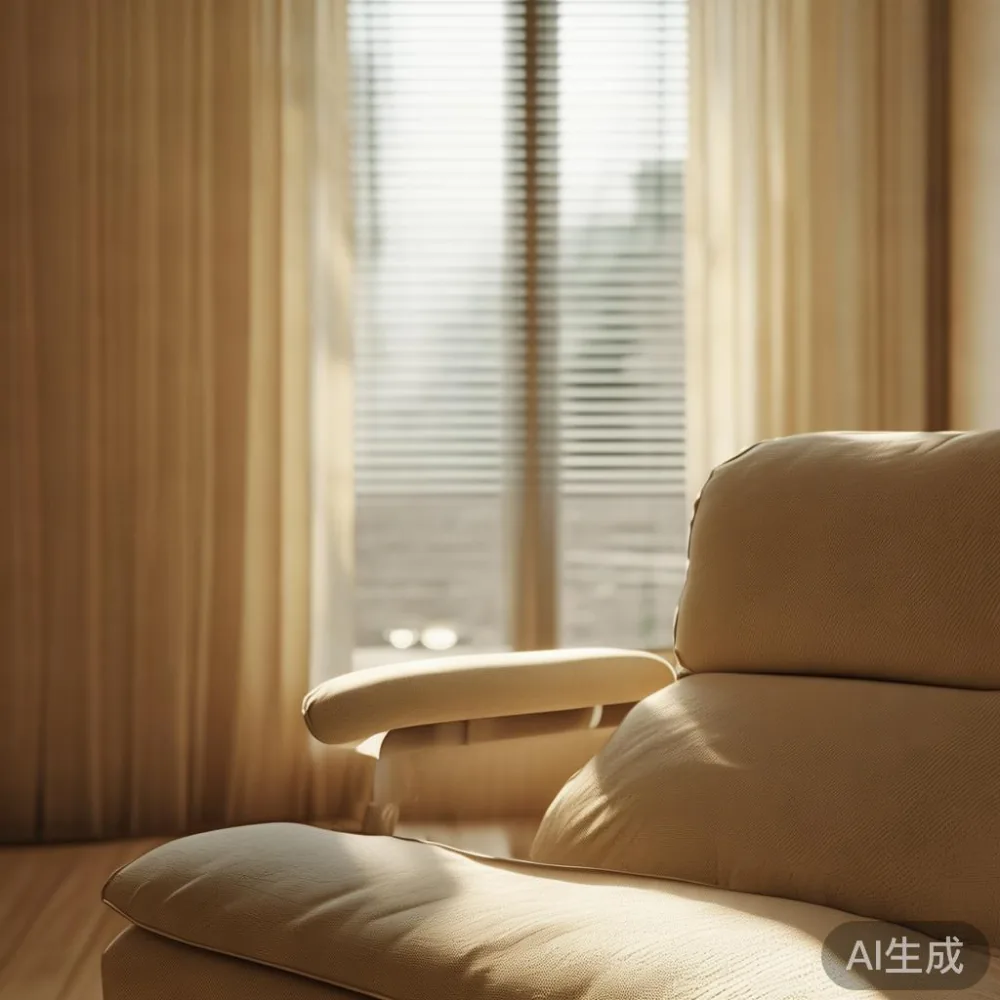
Warm minimal interior design is a pared-back scheme built on natural materials, neutral walls (think Benjamin Moore OC-17 White Dove or Jotun 1452 Mellow Beige), and tactile surfaces that read as calm rather than cold. Where Scandinavian minimalism leans white-and-pine, warm minimal allows for honey-coloured timber, brushed brass hardware, ribbed glass, and boucle or linen upholstery. A recliner sofa in a camel or taupe leather slips into this scheme far more easily than one in jet black or industrial grey, because the brown undertone picks up the warmth of the floor. In my own HDB visit last month, I sat on a three-seater recliner sofa finished in saddle leather, and the colour alone lifted the entire room by half a shade. The frame around the seats was solid ash, which is a heavier relative of the American cherry wood headboard I was reviewing the same afternoon.
How do I pick a recliner sofa that fits a warm minimal living room?
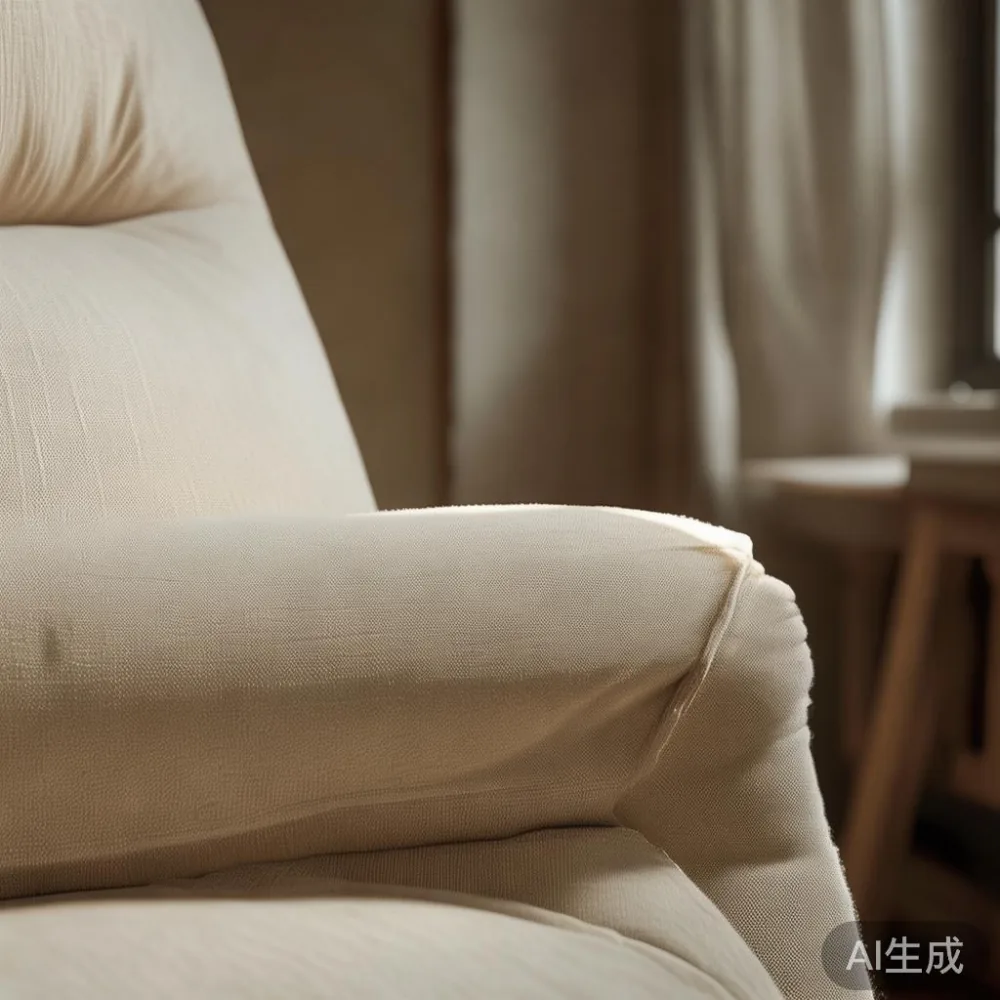
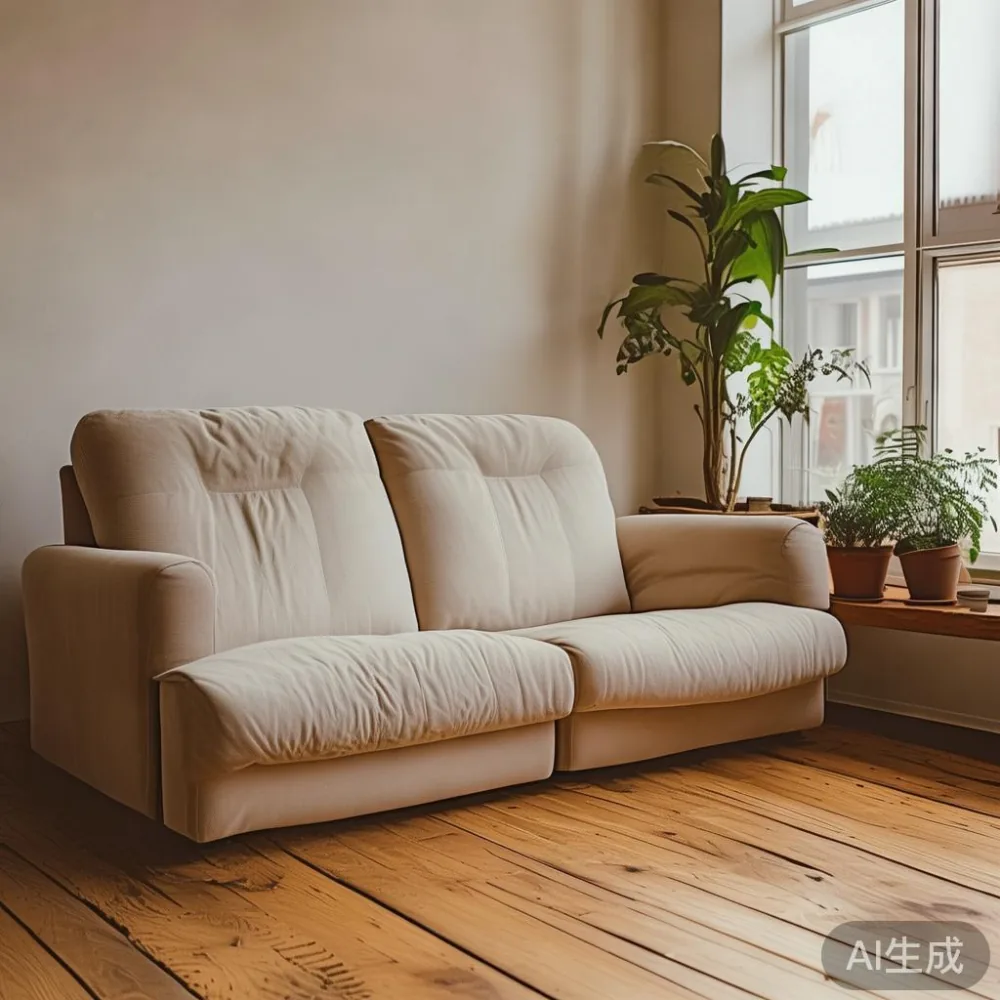
Look for three things: frame material, upholstery tone, and recliner mechanism. For a 4-room HDB living area of roughly 18 to 22 sqm, a two-and-a-half-seater recliner sofa at 180 to 200 cm wide leaves a 70 cm walkway behind the seat, which matters because most HDB service yards sit off the living area and you need to pass through. Lift access in most Singapore blocks handles up to 1.4 m door height and 2.1 m depth, so anything larger than a 220 cm length will not fit into the lift cage and will have to be hoisted up the service stairwell — an extra SGD 120 to SGD 280 surcharge from most movers. Solid wood frames in oak or ash add roughly 12 to 18 kg per seat compared with plywood, so a three-seater recliner sofa can weigh 95 to 115 kg in total. That is fine on a HDB floor (load limit about 150 kg per sqm for living areas), but you want a frame that will not warp in our 32 to 34 °C afternoons with 80 percent humidity. Kiln-dried ash at 8 to 12 percent moisture content is the benchmark; anything wetter will cup within two monsoon cycles. Upholstery should be top-grain leather in a warm neutral — tan, tobacco, putty, or a soft caramel — because these tones bounce light around the room and pair with cream walls without competing.
Which solid wood pieces anchor the rest of the room?
Once the recliner sofa is placed — usually against the longest wall, opposite the TV console — the supporting cast matters as much as the star. A solid wood dining table in white oak or ash at 140 to 160 cm long seats four comfortably and clears a standard HDB dining nook of 1.8 x 2.4 m. Expect to pay SGD 1,400 to SGD 2,600 for a 6-seater extension version in solid wood, compared with SGD 600 to SGD 1,100 for a veneered MDF alternative that will start to peel at the edges within three years of air-conditioning cycles. In the bedroom, a solid wood bed frame in king size (182 x 191 cm) needs at least a 60 cm gap on three sides for sheet-changing, which means a minimum room width of 3.0 m. For most HDB master bedrooms of roughly 3.2 x 3.6 m, that works. A solid wood wardrobe at 180 cm tall and 200 cm wide gives a hanging depth of 58 cm, which is enough for shirts on standard hangers; anything shallower crumples the shoulders. Two nightstands at 45 x 40 x 55 cm flank the bed without crowding single-side access. If you have a bay window or a small reading corner, a marble table with a square top of 50 x 50 cm makes a solid contrast next to all that timber — the cool grey vein against warm oak is the signature move of American light luxury interiors, and it reads as quiet rather than flashy.
How do I style a Post-modern master bed in a small apartment?
Choose a low-profile platform bed frame in solid ash or walnut at 30 to 35 cm off the floor, paired with two slim nightstands and a single linear pendant, and you will have a Post-modern master bed that suits a 3.2 x 3.6 m HDB bedroom without crowding the circulation paths. Post-modern here means clean rectangular volumes with one softened element — a curved headboard, a fluted ribbed side panel, or a contrasting plinth — rather than the ornate carving of full traditional joinery. An American cherry wood headboard at 180 cm wide and 90 cm tall brings a warm reddish undertone that pairs with cream walls and an off-white linen duvet; cherry darkens noticeably over the first 18 months, so sample the wood in daylight before committing. Keep the wall behind the bed one accent shade darker than the other three walls (Jotun 11173 Pale Linen against Jotun 1452 Mellow Beige, for example), and ground the room with a low-pile wool rug at 200 x 280 cm. Skip the bedside lamps if ceiling height is below 2.6 m; a single 12-watt LED strip behind the headboard at 2700 K gives a softer, broader wash than two bedside lamps and frees up the nightstand surface for a single ceramic vessel.
What about colour palette, lighting, and the local climate?
Warm minimal in Singapore is partly a climate strategy. Light reflects heat, so walls in cream, putty, or a barely-there blush keep rooms cooler than the slate or navy that reads as modern elsewhere. A simple four-colour palette keeps decisions quick: wall (cream), timber (natural oak or ash), accent (terracotta, tobacco, or muted ochre in 10 to 15 percent of the room), and metal (brushed brass or antique bronze for handles, lamp arms, and tapware). Lighting runs in three layers: ambient at 2700 to 3000 K for evening, task at 4000 K for the dining table or study desk, and accent at 2400 to 2700 K for the recliner sofa reading corner. Total wattage in a 20 sqm living area should sit around 30 to 40 W of LED, which is roughly 2,500 to 3,500 lumens. With air-conditioning set at 25 °C, leather on a recliner sofa can feel cool on the back for the first 10 minutes, which is why I usually recommend a small wool throw in the same tonal family. Humidity control is non-negotiable: run the dry mode on your aircon for at least two hours in the morning, or place a small dehumidifier rated at 8 to 12 L/day in the living area. Solid wood furniture with a moisture content of 8 to 12 percent handles HDB humidity between 60 and 85 percent without cracking, but anything above that range will start to move.
How much should I budget, and how do I make the pieces last?
For a furnished living-dining-bedroom set in warm minimal, a realistic Singapore budget for a young couple in a 4-room HDB sits between SGD 9,000 and SGD 18,000 all-in, depending on whether you buy veneers or solid wood. A rough breakdown: recliner sofa SGD 2,400 to SGD 4,800, six-seater extension dining table SGD 1,600 to SGD 2,800, king-size solid wood bed frame SGD 1,400 to SGD 2,600, two-seater wardrobe SGD 1,800 to SGD 3,200, two nightstands SGD 400 to SGD 700, and a marble table or side table SGD 350 to SGD 900. Shipping from a Foshan factory like MIDHILL takes around 25 to 40 sea-shipping days to Singapore, plus 5 to 8 days for customs clearance and a 14-day return window once the pieces arrive. Add the 9 percent GST on the landed value, and you will see why many homeowners consolidate orders to clear free-shipping thresholds. MIDHILL bundles things like lifetime refinishing on solid wood frames, which I have seen save clients SGD 280 to SGD 450 per piece when they hit the five-year mark and the dining tabletop starts to look tired. A ten-year structural warranty on the recliner sofa mechanism covers the gas pistons and the reclining rack, which are the two parts that actually fail. Keep the warranty cards and the moisture meter readings from delivery day, and your pieces will outlast two or three HDB leases without losing the warm minimal look you started with.
Quick checklist before you click order
Measure the lift door at 1.4 m height and 1.0 to 1.2 m width; any recliner sofa over 200 cm in length or 95 cm in depth will need a service-lift hoist. Confirm the moisture content of the solid wood with the supplier in writing — anything above 12 percent is a red flag for Singapore. Ask whether the recliner mechanism is manual pull, lever, or electric, and whether the electric version comes with a 220 V SG-three-pin plug or needs an adapter. Check that the marble table top is sealed on all six sides, not just the visible surfaces, because unprotected edges stain within months of kopi spills. Finally, ask about corridor turning radius: most HDB corridors are 1.5 m wide, so a wardrobe deeper than 60 cm will not pivot around the stairwell landing without scratching the panels. Get those six things right, and the warm minimal interior you build will read as quietly expensive rather than quietly compromised — the kind of room your friends in Punggol and Bedok will keep photographing for the next ten years.