5-Year Cost Comparison: Veneer Recliner Sofa vs Solid Wood for Singapore Homes
A recliner sofa is often described by its upholstery, mechanism and silhouette, but the material inside the frame determines how it behaves after years of daily use. For homeowners in Tampines, Bedok and Punggol, veneer can deliver the proportions and visual calm of solid timber at a lower purchase price. Solid wood costs more at the outset, yet its long-term economics can be different. The fairest comparison is not the showroom ticket alone: it is the combined cost of ownership over 5 years.
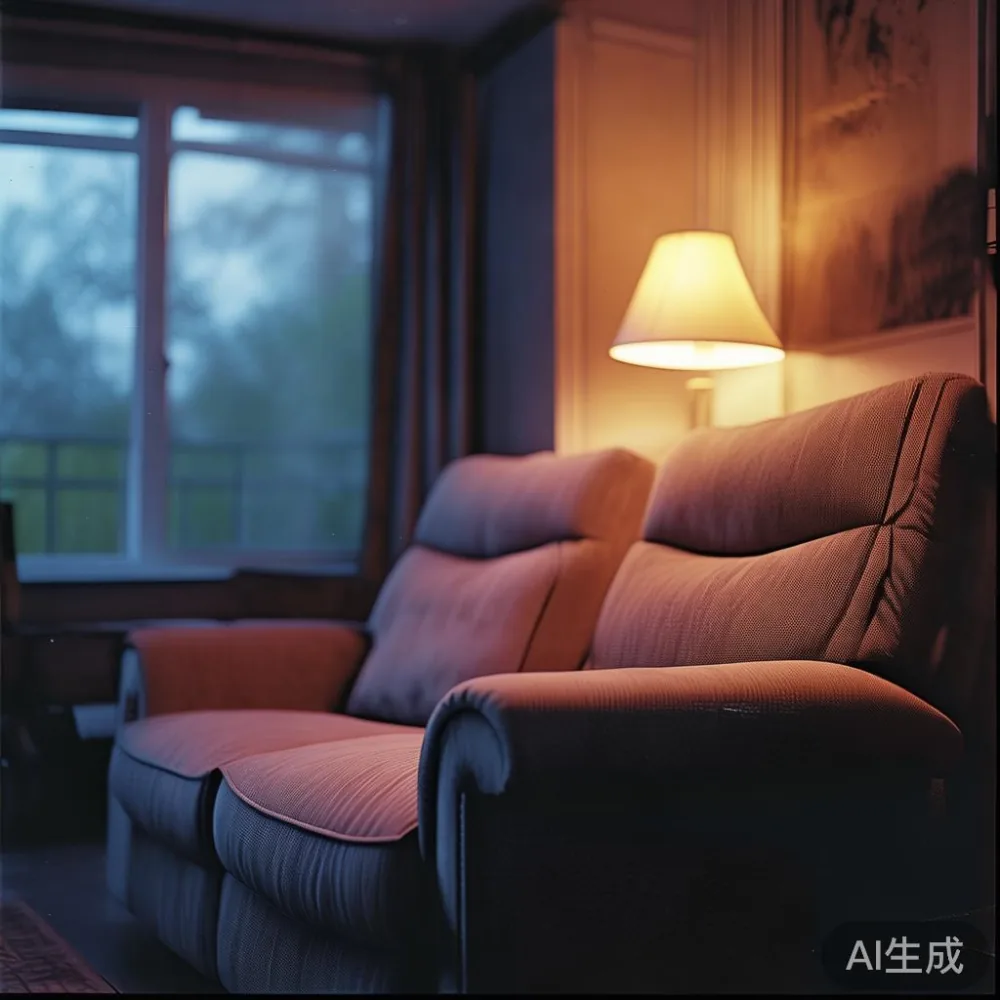
For this review, I compared a representative veneer recliner sofa priced at SGD 1,590 with a solid wood recliner sofa priced at SGD 2,390. Both figures include Singapore GST and delivery to a standard HDB or condominium address. I assumed 2 users, 8 hours of seating per day, one 10-minute reclining cycle each evening and no commercial use. The model is intentionally practical: it allows for cleaning, small repairs and eventual refinishing rather than treating the furniture as disposable.
At MIDHILL, solid wood is the reference point for structural thinking, not merely a finish. The company was established in 2008, exports to more than 15 countries, provides a 10-year structural warranty and offers lifetime refinishing. Those policies matter in this calculation, especially where a timber frame may be moved between a Bedok HDB flat and a Punggol condo.
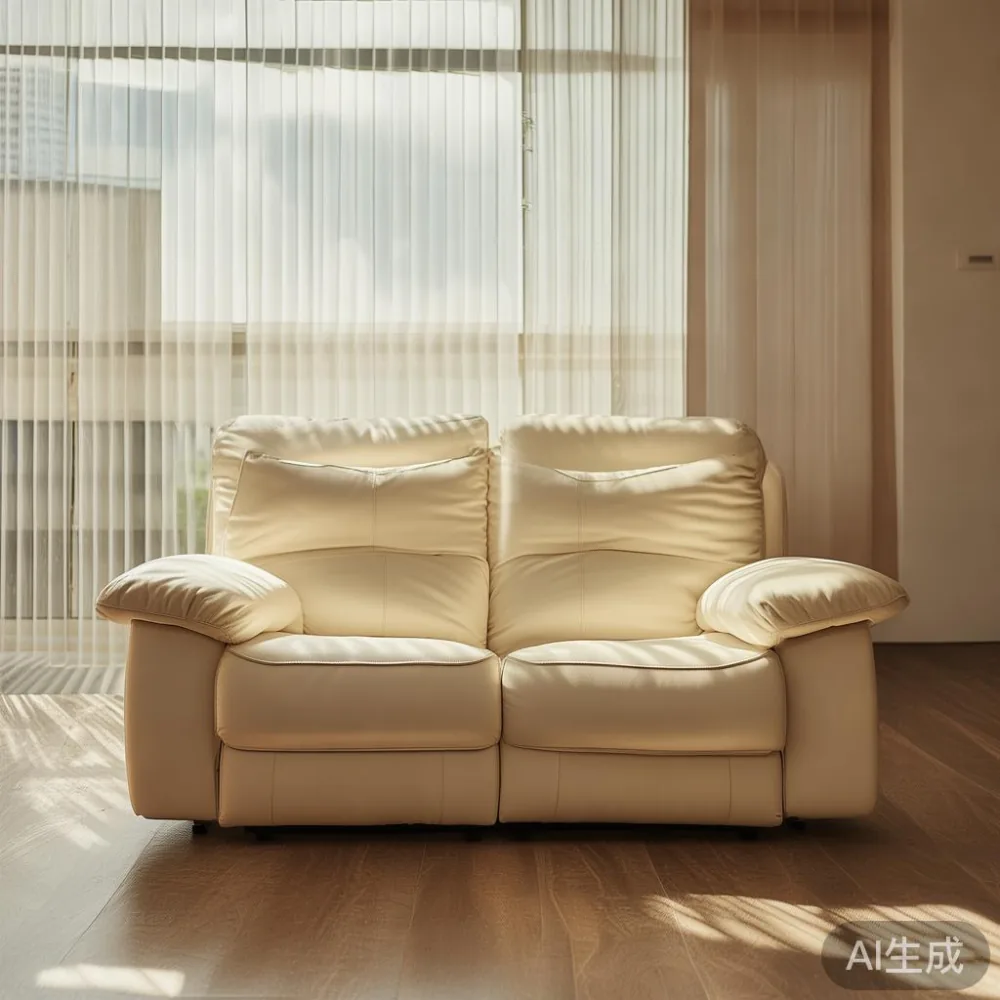
What does a recliner sofa cost over 5 years?
A veneer recliner sofa at SGD 1,590 starts approximately SGD 800 below the solid wood version. If nothing else changes, that is SGD 160 per year across 5 years. However, the lower figure does not automatically mean lower ownership cost. Veneer can chip, crease or discolour where a solid component would mainly scratch. A repair to an exposed corner or an edge can therefore erase part of the initial saving.
For the solid wood example, allow an annual care budget of SGD 35 for a suitable cleaner and light maintenance, plus SGD 80 in year 3 for a professional clean and frame check. This produces a scheduled care total of SGD 215 over 5 years. Veneer care is estimated at SGD 25 annually, or SGD 125 over the same period. These are planning figures rather than quotations, and an open fireplace, strong sunlight or pets can increase them.
The purchase prices are not the only inputs. A sofa ordered for a Singapore home may need stair access, a lift booking or a corridor turn. A 208 cm wide three-seat recliner sofa can fit in many modern lift lobbies, while a 226 cm model may not. Check the lift door width, the corridor width and the longest diagonal route to the living room before confirming. Compact recliner sofas around 176–190 cm wide may suit older HDB blocks more easily.
How much does solid wood add to the price?
In this comparison, solid wood adds SGD 800, or 50.3% to the veneer sofa's ticket. It also adds approximately 28–36 kg of frame weight. A mixed-wood frame might weigh 72 kg, while the all-wood frame used here weighs 106 kg. Heavier furniture is not automatically superior, but weight can signal more timber in load-bearing sections and fewer hollow substitutes around the reclining hardware.
The solid wood frame used for this comparison is made from kiln-dried hardwood with mortise-and-tenon or dowelled joints where practical, plywood only where controlled flexibility is needed for the mechanism, and a sealed finish. A low-grade veneer option may use a thinner veneer over particleboard or MDF. The visible faces can look similar in a showroom, yet their response to humidity and impact differs.
Singapore's climate makes dimensional stability important. Relative humidity commonly shifts through the day, particularly in an HDB flat near a window or in a condo facing the afternoon sun. Solid timber expands and contracts at a measurable rate, but a sound design accounts for that movement. Veneer can remain stable when correctly bonded to a quality substrate; failure occurs when adhesive, surface preparation or substrate quality are inadequate.
Local expectations should also be compared fairly. Some buyers ask whether a premium timber frame is justified when the same room contains a solid wood bed frame, dining table, wardrobe, nightstand or marble table. Marble tables need level support and careful delivery planning. A wardrobe needs reliable hanging geometry. The relevant lesson is not to judge the recliner sofa by one isolated material, but to understand its construction and the environment it will occupy.
Which option has the lower 5-year cost?
Here is the base-case calculation:
Veneer recliner sofa: SGD 1,590 purchase + SGD 125 estimated care + SGD 0 planned repair = SGD 1,715 over 5 years, or SGD 343 per year.
Solid wood recliner sofa: SGD 2,390 purchase + SGD 215 estimated care + SGD 120 for one mechanism service in year 4 = SGD 2,725 over 5 years, or SGD 545 per year.
The solid wood version therefore costs SGD 1,010 more in this scenario, or SGD 202 more per year. The initial gap is large enough that a major veneer repair would need to exceed about SGD 810 before the solid wood example becomes less expensive over 5 years. If the veneer sofa required a full reclining-mechanism replacement near SGD 1,150, the two totals would move close together. That is plausible in price, but not guaranteed in timing or outcome.
For a low-use room, choose the figures that match your own behaviour. A family recliner sofa used 2 hours daily may need less service than the 8-hour assumption above. A sofa in a rental unit may be replaced for different reasons, including changing tenants. If you expect to keep the sofa for 10 years, the solid wood option's cost per year falls from SGD 545 to about SGD 273 when amortised over 10 years. The 5-year view favours upfront affordability; the longer view rewards durability and repairability.
Delivery is easy to compare across suppliers: over US$350 qualifies for free shipping, which normally means free delivery within Singapore as well, but the seller's local terms should be confirmed. At the prices used here, both purchases clear that threshold. In most Singapore addresses, delivery takes 7–14 days after production. Allow another 2–3 days for lift booking in a busy condo, and 3–7 days for route checks in an older Tampines or Bedok block.
Is American sofa worth it?
A broad question about an American sofa is too vague for a material decision, but the answer is usually yes when the frame, reclining mechanism and seat density are specified clearly. An oversized American silhouette may provide a generous 225 cm width, yet it can be difficult to move through a 90 cm corridor or around a lift lobby. A smaller 186 cm model may be more practical for a Singapore flat without giving away the deep, relaxed posture associated with the style.
For a Singapore buyer, an American light luxury recliner sofa can work if its dimensions are disciplined: approximately 190–210 cm wide, 95–105 cm deep and 100–108 cm high. Check that the back can recline without striking a wall. In a compact HDB living room, leave at least 75 cm for a basic circulation path and 90 cm where a lift lobby turns sharply. These clearances matter more than a narrow visual gap.
Style compatibility is another cost that should not be ignored. French light luxury tends toward curved edges, pale upholstery and decorative detailing. Post-modern light luxury often combines clean lines with one expressive element, such as a timber frame or sculptural base. For Japanese and Nordic interiors, consider how to style Japandi bed in apartment spaces with the same restraint. The recliner sofa should relate to the bed, wardrobe and dining setting rather than compete with every object in the room.
How do you compare frame quality before paying?
Ask for the frame material by component, not just a broad phrase such as “wood frame.” Identify the front rail, side rails, back structure, seat supports and legs. Confirm whether the external parts are solid wood and whether any engineered board sits behind the reclining mechanism. Request the seat-density range, mechanism brand, foam composition and warranty exclusions in writing.
Look for joints that are mechanically fixed and surfaces that remain continuous around corners. Avoid relying on visible veneer thickness as proof of strength. When seated, the front rail should feel supported without flexing, and the recliner should return smoothly without the back frame twisting. If a seller cannot provide these details, price becomes a weak proxy for quality.
My colleague tested a showroom sample last month by loading each side with bags for 15 minutes, then operating the recliner through 25 full cycles. On one veneer model, the veneer face near the right arm lifted slightly at a drilled fixing point. On the solid wood sample, the joint remained firm, although the finish showed a 4 cm scratch under controlled abrasion. Neither result replaced a proper laboratory test, but it showed why the substrate and fixing method deserve attention.
For a tailored schedule, inspect the reclining path, remove loose objects from around it and vacuum the mechanism every 3 months. Keep drinks away from the timber edge, use coasters and maintain roughly 45–55% indoor relative humidity with air conditioning or a dehumidifier. These practices can reduce swelling, finish wear and staining over 5 years.
What should you buy for a condo or HDB flat?
A compact solid wood recliner sofa can be a sound compromise when its dimensions suit the route and the visual style matches the home. Look for a 2-seat or compact 3-seat format, with a footprint below about 2.1 sqm. The example here measures 202 × 96 × 104 cm and weighs 106 kg. Two people can use it, but the reclined depth of 162 cm requires a clear 160 cm zone behind the sofa. In a typical HDB living room, that can mean placing it against the long wall rather than directly opposite a television.
Condo owners should check the service lift dimensions before order: a lift internal width of 110 cm and internal depth of 140 cm may accept a 202 cm sofa turned diagonally, but door shape and turning space still decide the result. For a narrow corridor, protect the timber corners during the move. The delivery crew should measure the route rather than assume that a lift means no restrictions.
Material choice also affects how the sofa can fit a light-luxury interior. A light luxury sofa vs Nordic sofa comparison often comes down to texture and proportion, not a single national label. Pale oak, warm walnut and matte upholstery can bridge French light luxury and Japanese calm. A marble table nearby may reflect more light, so the sofa finish should not compete with it. A solid wood dining table and coordinated nightstand can carry the timber tone through the home.
How do you compare a wardrobe and bed frame fairly?
The same 5-year method applies to other furniture. When comparing how to choose light luxury wardrobe, examine board thickness, drawer runners, hanging space, hinge movement and the warranty on moving parts. A visually similar wardrobe can differ by hundreds of dollars in internal hardware. If the wardrobe has mirrored doors, confirm the mirror weight and safe mounting method before placing it beside a frequently used recliner sofa.
For Japanese rooms, knowing how to style Japanese wardrobe in room arrangements helps control visual noise. Flush fronts, warm timber and limited hardware can make storage feel calmer. In a bedroom, a matching solid wood bed frame can provide continuity, but the bed's 180 × 200 cm mattress size and 210–225 cm frame length determine circulation. A Japandi bed in apartment living usually needs a 60–75 cm side aisle in a compact room.
These comparisons are useful for setting expectations, although this article remains focused on recliner sofas rather than shifting into unrelated furniture categories. MIDHILL's lifetime refinishing applies to qualifying solid wood pieces, while the 10-year structural warranty gives a clearer baseline for frame confidence. A 14-day return window can also reduce uncertainty, provided the item is unused or remains in acceptable condition under the stated policy.
Is veneer or solid wood the smarter 5-year choice?
Veneer wins on the initial budget and can offer convincing appearance and stable performance when its substrate and bonding are sound. At SGD 1,590, it is a practical choice for a lightly used room, a rental property or a buyer who may replace the sofa sooner than 5 years. The estimated 5-year cost in this model is SGD 1,715, including routine care.
Solid wood wins when the recliner sofa is a long-term fixture, receives daily use and can be serviced. At SGD 2,390, the 5-year figure becomes SGD 2,725 after routine care and one planned mechanism service. That premium buys a potentially longer service life, more recoverable components and a finish that can be renewed. The 10-year structural warranty and lifetime refinishing support make this route more defensible for frequent family use.
The practical decision rule is simple: if a veneer repair could cost SGD 810 or more, compare that risk carefully; if the sofa will be discarded within 3 years, focus more on fit and price; if it will remain for 8–10 years, assess solid wood as a form of ownership rather than decoration. Measure the room and delivery route, then select the recliner sofa whose construction matches your actual 5-year plan.