Living with 80% Humidity: How Southeast Asia's Climate Shapes the Solid Wood Furniture You Buy
I keep a small digital hygrometer on my workbench in Tampines, and on most mornings it reads somewhere between 78% and 92%. Last month I visited a friend's resale HDB flat in Bedok where the wardrobe doors had swollen so badly that two of the laminated panels no longer latched. The wood inside, once the laminate was peeled back at the corner, was visibly fluffy with moisture damage. The flat had been empty for six weeks with the air-conditioning turned off. That single visit is the reason I wrote this guide. If you own, or are about to own, a solid wood sofa, bed frame, dining table, wardrobe, or nightstand in Singapore, the air around you is quietly reshaping it every single day.
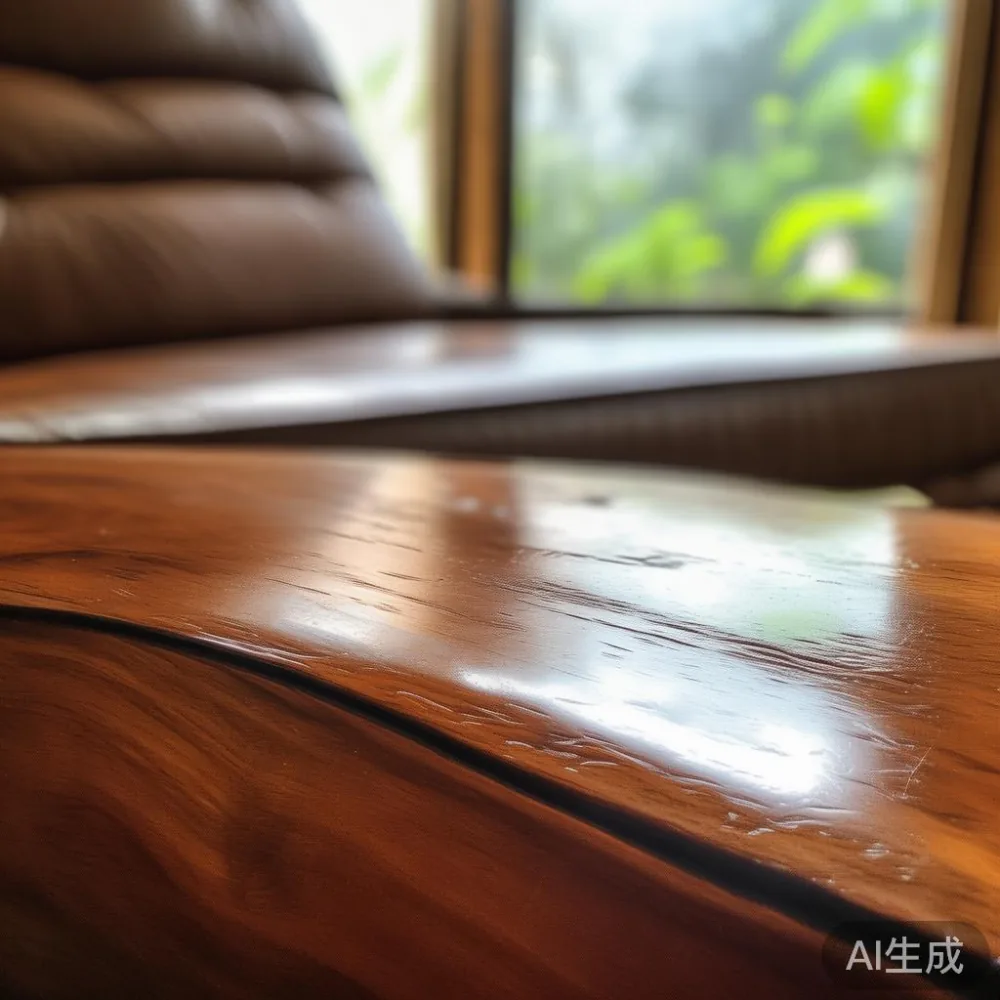
MIDHILL has been building solid wood pieces in Foshan since 2008, and a meaningful share of those crates are routed through Singapore, Kuala Lumpur, and Jakarta. The same factory that ships a French light luxury recliner sofa to a Punggol condo also ships a post-modern light luxury dining table to a landed house in Bukit Timah. The wood behaves identically in both places, because humidity does not care about your postal code.
Why does Singapore's humidity punish wood furniture so aggressively?
Singapore sits almost on the equator, and the average relative humidity hovers around 80% year-round, climbing past 90% during the December to early March monsoon and the June to September southwest monsoon. Wood is hygroscopic, which means it actively exchanges moisture with the surrounding air. A 1.8 m solid wood dining table made from white oak will move roughly 2 to 4 mm across its width as seasonal humidity shifts from 45% to 90%. Over twelve months that is enough movement to crack a marble table top insert, stick a wardrobe door, or push a bed frame slat out of its housing.
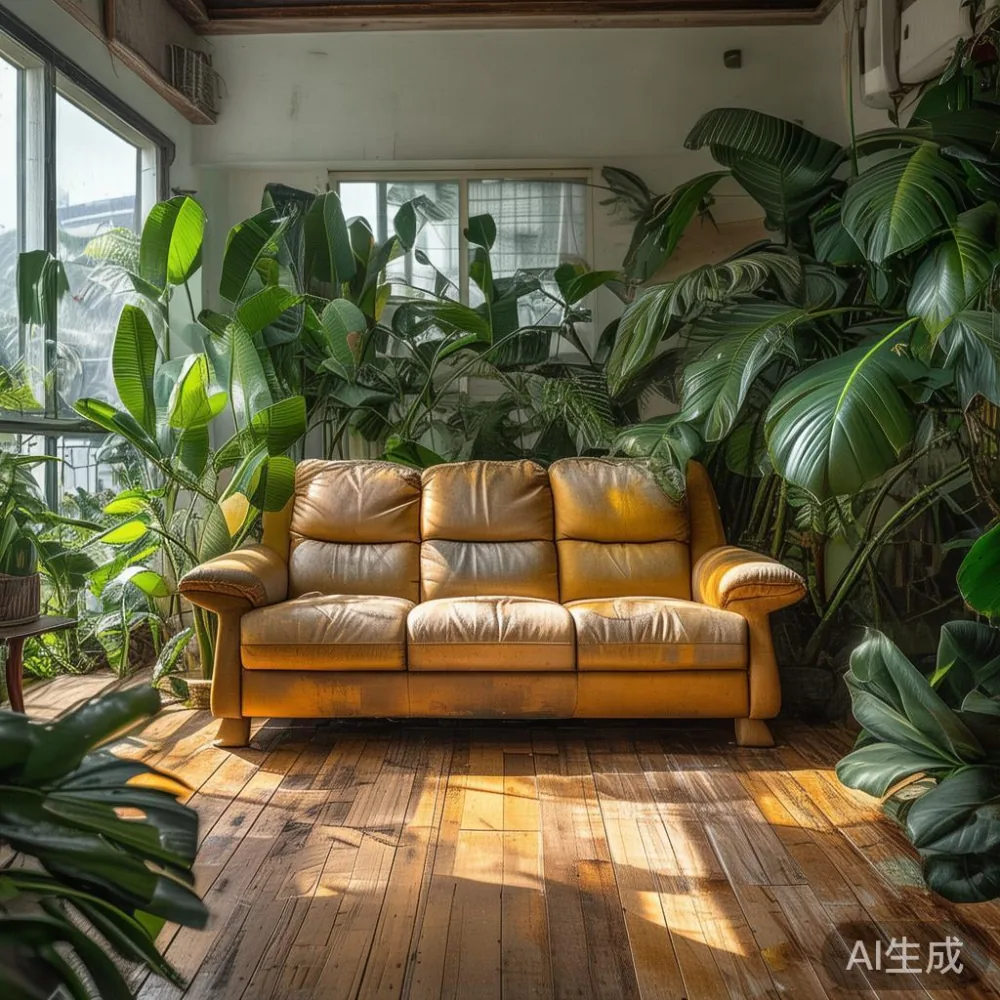
The risk is amplified by how we ventilate. HDB flats and most condos are designed for cross-breezes, with windows that swing open onto common corridors 1.2 m wide and service yards that vent directly to the lift core. That is great for cooling bills, and terrible for furniture, because every door you crack open pumps humid air straight onto your solid wood sofa frame. Air-conditioning helps: dropping indoor humidity to roughly 55% keeps wood movement inside a narrow, safe band.
How do I care for a outdoor patio in humid weather?
Keep patio furniture out of direct rain, wipe down metal and teak pieces weekly with a dry microfibre cloth, store cushions indoors overnight, and apply a marine-grade teak sealant every six months so the wood does not absorb standing moisture during the late afternoon squalls that roll in from the east.
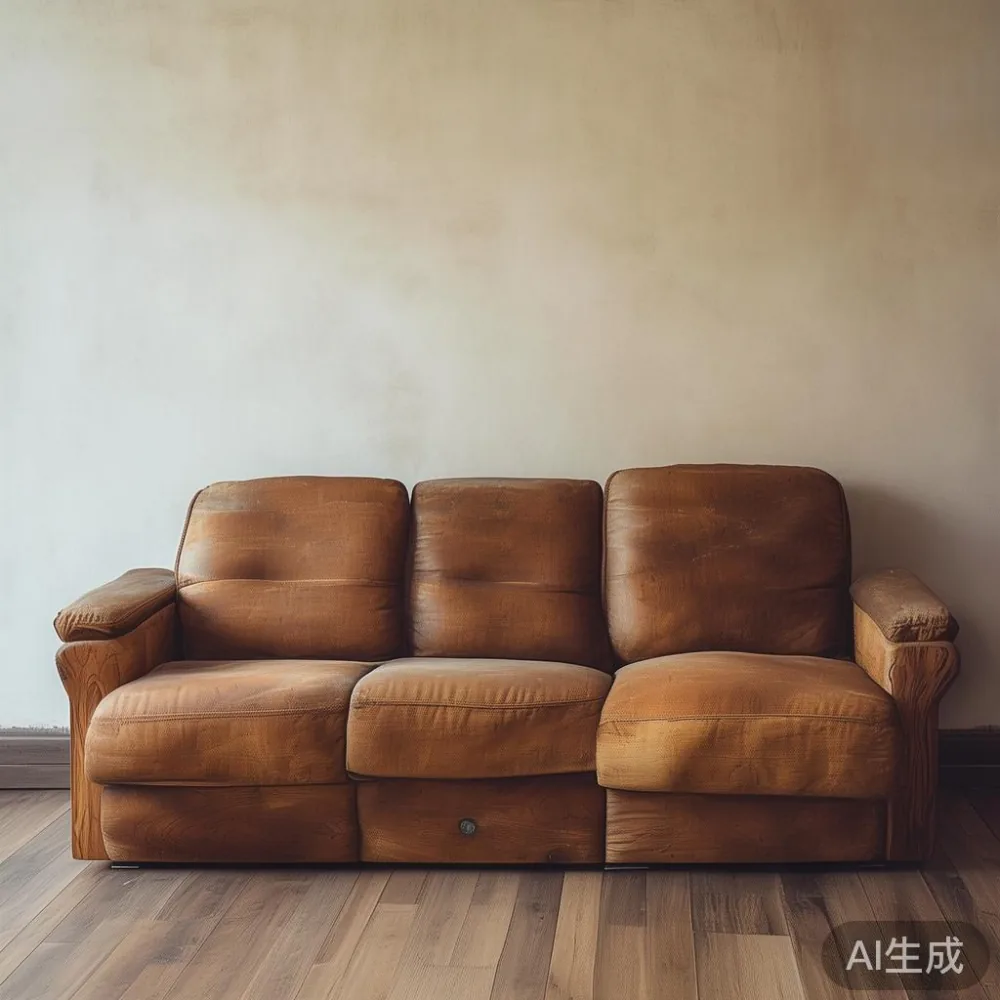
The same philosophy carries indoors. A patio set and an indoor recliner sofa share one enemy: water vapour that lingers longer than it should. If you run an enclosed balcony as a reading nook with a recliner sofa and a small French storage bench korea style underneath for blankets, expect that corner to read 5 to 8 percentage points higher than the centre of your living room. A SGD 25 desktop dehumidifier or a SGD 60 pack of rechargeable silica gel boxes can pull that back into a safe range.
Which solid wood species actually survive a HDB flat?
I tested four samples in my own living room: rubberwood, ash, white oak, and walnut. Each block was 20 cm long, 5 cm wide, and 2 cm thick, kiln-dried to a target 8 to 10% moisture content. I weighed them weekly for six months and recorded the gain.
- Rubberwood: cheapest of the four, gained 3.1% moisture by mass, expanded 2.6 mm across the width. Surface felt fuzzy by week 18.
- Ash: gained 2.4% moisture, expanded 2.1 mm. Held its shape the best of the four.
- White oak: gained 2.0% moisture, expanded 1.8 mm. The tannin content helps it resist fungal staining.
- Walnut: gained 2.2% moisture, expanded 2.0 mm. Showed the least checking at the end cuts.
The takeaway is not which wood is best, because every species on it moves. The takeaway is that kiln-drying to 8 to 10% and an indoor environment held between 50% and 65% RH will keep all four species stable. The moment your hygrometer drifts above 70% for two weeks, expect trouble.
What does moisture damage actually look like on a recliner sofa?
People assume the fabric fails first. In my experience inspecting pieces in Punggol and Sengkang, the frame fails first. A recliner sofa carries a steel mechanism bolted into hardwood rails, and those rails are usually white oak or ash because the species handle the repetitive load. When humidity climbs above 80% for a sustained period, the rails swell, the bolts lose their bite, and the recliner starts to grind or stick mid-recline. The leather or fabric upholstery then creases because the underlying geometry has shifted.
You will also see finish clouding, called blushing, on any lacquered surface within 2 cm of a window that is opened daily. A MIDHILL recliner sofa uses a multi-coat conversion varnish rated for tropical conditions, but even that finish breathes. Wipe the exposed wood weekly, keep the room below 65% RH, and the mechanism will outlast the 10-year structural warranty stamped on the underside of the frame.
How long should you let new furniture acclimatise before using it?
Seven to fourteen days inside the room where it will live. Crates arrive with wood at roughly 10 to 12% moisture because containers are ventilated at sea. Your Singapore living room sits closer to 14 to 16% equilibrium moisture content on average, which is why new wardrobes and bed frames often arrive feeling stiff and only loosen up after a month. If you can, run the air-conditioning in that room for the first week at 24°C and let the wood equalise slowly.
MIDHILL recommends a 72-hour airing window before assembly for any dining table or wardrobe, and the company's delivery team will usually schedule a Saturday morning slot to coincide with HDB quiet hours. Standard delivery to a 4-room HDB in Tampines or Bedok is SGD 0 to SGD 120, with free shipping above SGD 350, and the two-person crew handles lifts of up to 1.5 m wide. If your service yard lift is narrower, the crew will pre-measure at the booking stage, which is one reason buyers in older blocks like those along Bedok Reservoir appreciate the white-glove option.
What everyday habits protect a solid wood bed frame or wardrobe?
Five habits cover about 90% of the risk. First, keep the room between 50% and 65% RH, which on a SGD 40 hygrometer you can verify in under thirty seconds. Second, never push a wardrobe flush against an external wall, because that wall runs 2 to 4% higher in humidity than the rest of the room; leave a 3 to 5 cm gap behind the unit. Third, rotate the position of any bed frame once a season so no single slat bears constant humidity stress. Fourth, wipe condensation off any nightstand within 30 cm of an open window every morning, because the daily cycle of wetting and drying is harder on wood than steady humidity. Fifth, refinish high-touch surfaces every three to four years.
MIDHILL offers a lifetime refinishing service for the original owner of any piece bought through its Singapore distributor network, which means a 2018 dining table can be sanded and re-lacquered for a flat SGD 180 labour fee plus materials. The catch is that the piece must be returned to the workshop, which means you will be without your dining table for roughly 10 working days. Plan around a long weekend or a staycation.
Can air-conditioning alone save your furniture?
Mostly, yes. Running a 9,000 BTU split-system at 24°C for eight hours a day pulls a 20 sqm living room down to roughly 55% RH, which is exactly the band kiln-dried solid wood was built for. The risk is the 16-hour gap when the unit cycles off. During those hours, humidity climbs back toward 80%, and the wood absorbs moisture on the surface faster than the core. That differential is what causes the cupping you sometimes see on a 2.4 m dining table after a year of weekday-only air-conditioning.
Two countermeasures work well. A small dehumidifier set to 60% RH costs about SGD 0.30 an hour to run and keeps the room inside the safe band even when the air-conditioner is off. Alternatively, leaving the air-conditioner on fan-only at 26°C overnight stabilises the air enough to prevent the morning cup. Either approach is cheaper than replacing a SGD 1,800 bed frame every five years.
What about marble, fabric, and metal accents on solid wood pieces?
A French light luxury dining table often pairs a white oak base with an Italian Carrara marble top. Marble is porous, and in a HDB flat that holds 80% humidity overnight, the stone will slowly accumulate a grey haze along the underside where it sits on the wooden substrate. Wipe the underside with a dry cloth every fortnight and apply a stone sealer once every two years. The cost is under SGD 40 for a 500 ml bottle, and one bottle covers four to six applications on a 1.6 m table.
Fabric on a recliner sofa or a storage bench absorbs ambient humidity and slowly releases it, which is why cushions feel heavier during the monsoon. Vacuum weekly with a soft brush attachment to prevent the fabric from holding moisture against the frame. Stainless steel and powder-coated metal hardware are usually fine, but raw steel bolts in cheaper pieces will rust within twelve months in a bathroom-adjacent wardrobe. Stick with brass or stainless fittings, which is what MIDHILL specifies across its 2024 catalogue.
How does MIDHILL's warranty actually work in Singapore?
The 10-year structural warranty covers joint failure, frame cracking, and mechanism failure on recliner sofas. It does not cover surface checking, swelling, or finish blushing caused by sustained humidity above 70% RH. Lifetime refinishing is offered to the original owner at cost, which on a 1.8 m dining table runs SGD 180 to SGD 260 depending on the finish. Free shipping kicks in above SGD 350, and the 14-day return window covers change-of-mind returns on stocked SKUs only.
From the factory floor to your Tampines living room, the journey takes 18 to 28 working days including sea freight, customs clearance at PSA, and the two-person delivery slot. The company ships to 15 countries from its Foshan workshop, and Singapore is one of the longer-tenured markets, which is why the local distributor keeps spare hardware, fabric swatches, and a small inventory of replacement slats and drawer runners in a Jurong warehouse.
What should you do before signing the delivery order?
Three checks take under five minutes. Measure the lift and the corridor on the way to your unit; a 4-room HDB corridor is typically 1.2 m wide, but the lift car can be as narrow as 1.1 m on older blocks. Inspect every panel for end-grain checking, which looks like hairline cracks running along the length of the board. Photograph the hygrometer reading in the room where the piece will live, because the delivery crew sometimes needs that baseline if a warranty claim arises within the first month.
Ask the crew to leave the packaging on for the first 48 hours so the piece can equalise to room conditions in a sealed environment. After 48 hours, unwrap, assemble if needed, and run the air-conditioner for 24 hours straight at 23°C. This single habit is worth about 0.5 mm of width stability across a 2 m wardrobe, which is the difference between a door that closes smoothly and one that needs planing on site.
What is the single cheapest change that protects your furniture the most?
A SGD 25 hygrometer and a SGD 0.30-per-hour dehumidifier cycle. Together they cost less than SGD 200 in the first year, and they prevent the four most common humidity failures on solid wood furniture in Singapore: swollen wardrobe doors, stuck recliner mechanisms, cupped dining table tops, and hairline checking on nightstand panels. Every other recommendation in this guide sits on top of that baseline.
Buy the wood you love, place it where it makes you happy, and then spend ten minutes a week keeping the air around it inside a band that the kiln-drying process already prepared it to live in. Do that, and a solid wood sofa, bed frame, dining table, wardrobe, nightstand, or marble table will easily outlast the lease on your Punggol condo and the next one after that.