How Southeast Asian Humidity Affects Solid Wood Furniture in Singapore
Singapore’s warm, humid climate can change solid wood more than many buyers expect. In HDB flats and private condos around Tampines, Bedok, and Punggol, indoor relative humidity may rise to 75–85% during wet periods, while air-conditioned rooms can fall to 45–55% several hours later. That repeated movement affects timber joints, veneer, upholstery, and cabinet doors. A recliner sofa may still feel comfortable through seasonal changes, but its wooden frame, arm supports, feet, and back panels need sensible protection.
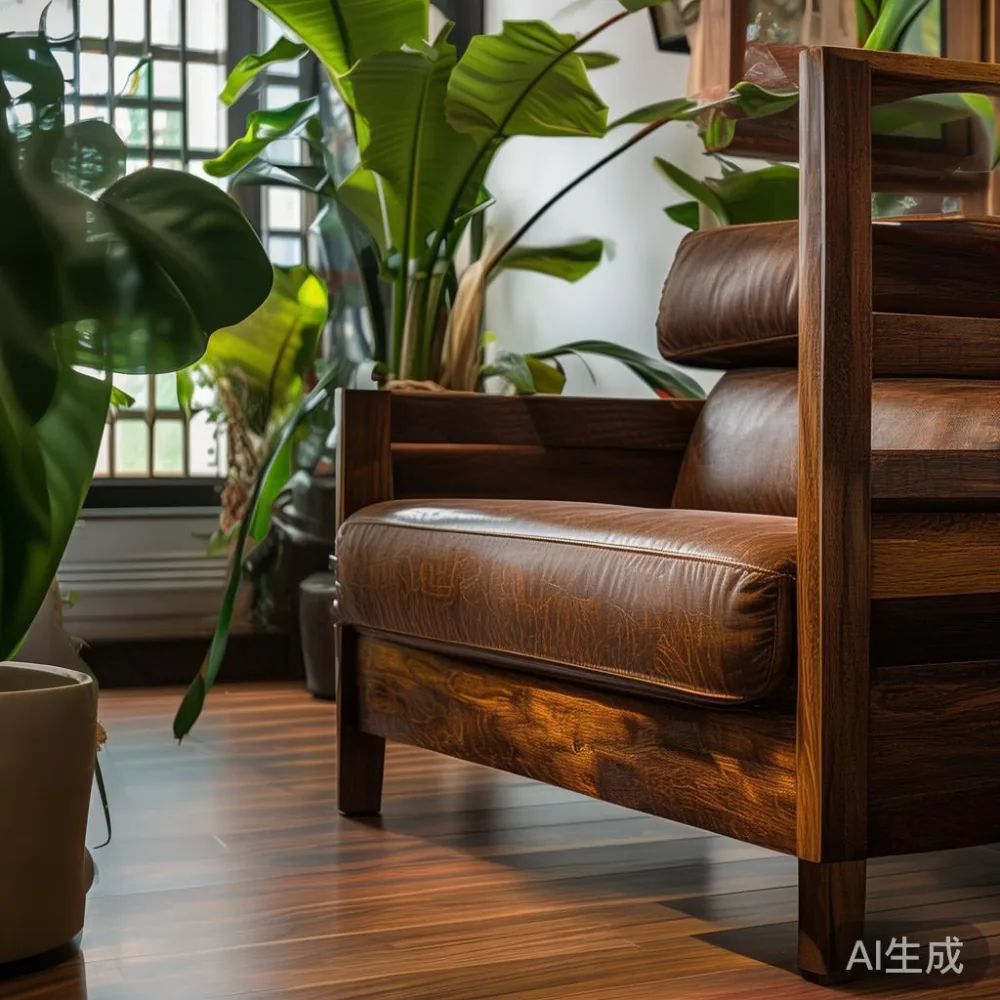
MIDHILL builds furniture in Foshan and exports to more than 15 countries, so moisture control is part of the design conversation rather than a footnote. Its solid wood sofa frames, bed frames, dining tables, wardrobes, and nightstands are made for long use, supported by a 10-year structural warranty and lifetime refinishing service. The figures below explain how humidity behaves, where damage tends to appear, and what Singaporean homeowners can do without turning their living room into a dehumidifier museum.
Why does humidity make solid wood furniture move?
Wood is hygroscopic: it absorbs moisture when the surrounding air is damp and releases it when the air becomes dry. The change is not perfectly even across a board. A 180 cm long dining table top may expand by roughly 1–3 mm across its width as relative humidity moves from 50% to 80%, depending on the species, cut, finish, and fitting tolerance. Movement along the grain is usually smaller than movement across it.
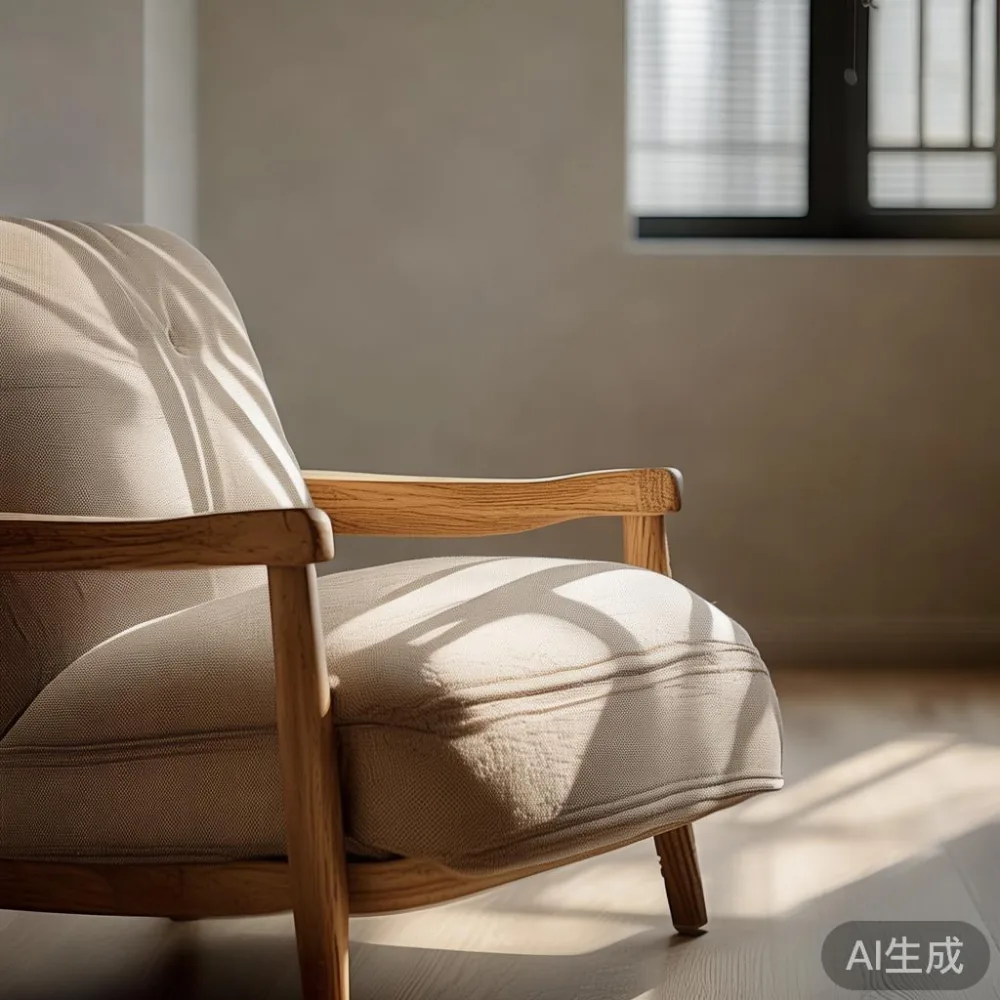
The problem is often not one swollen board. It is several parts moving at different rates. A solid wood sofa frame can tighten around its upholstered deck as the timber takes up moisture. A bed frame’s side rails may press against a headboard, or a wardrobe door may catch at the top corner. In a lift lobby or corridor with limited space, replacing a swollen component can also mean checking a 90 cm doorway, a 100 cm lift door, and the turning radius at a staircase.
Singapore households experience daily cycles as well as monsoon cycles. A balcony-facing HDB flat in Tampines might reach 31°C and 82% relative humidity before the air conditioner starts. In a Bedok condo bedroom, night-time humidity can remain near 75% because cool air holds less visible moisture. During a drier interval, the same room may settle near 50%. Repeated movement over 12 months is more demanding than a stable 65% environment.
Finish quality matters. A factory-applied lacquer or hardwax oil slows the exchange of moisture, but it does not make timber moisture-proof. Sealing all accessible sides helps; leaving an underside, internal frame, or drawer bottom untreated can allow uneven response. End-grain edges around feet and rails need particular attention because they absorb moisture quickly.
What indoor humidity level should Singapore homes maintain?
For most wooden furniture, aiming for about 45–65% relative humidity is a practical target. Keep the range reasonably stable, with no more than a 10–15 percentage-point swing over a 24-hour period. A digital hygrometer placed beside a sofa or wardrobe is more useful than one beside an air-conditioner vent, which may show an unrealistically low reading.
Air conditioning helps during hot afternoons, but short bursts can dry timber faster than wet air wets it. A room at 24°C and 48% humidity followed by an open balcony door at 30°C and 83% humidity creates a demanding cycle. Running cooling for 2–4 hours before opening doors, using a bathroom extractor after showers, and keeping furniture 30–60 cm from exterior walls can reduce sharp changes.
A compact dehumidifier is useful in wardrobes and enclosed rooms, but it should not be aimed directly at furniture. Choose one rated for a room area of at least 10–15 m², with a measurable tank capacity of 2–4 litres for frequent collection. Emptying a small 1.2-litre tank twice a day is inconvenient in a busy HDB home. For a larger 25–40 m² living room, a machine with a 5–8 litre tank may be easier to maintain.
Place a hygrometer near the floor and another at about waist height if possible. A 20–30 cm gap behind a wardrobe improves airflow. Avoid standing a solid wood bed frame or dining table against a cold condensation surface, and use a mat under an air-conditioner if water ever reaches the floor. These habits cost little and give the timber a more even environment.
How does moisture affect a recliner sofa and other seating?
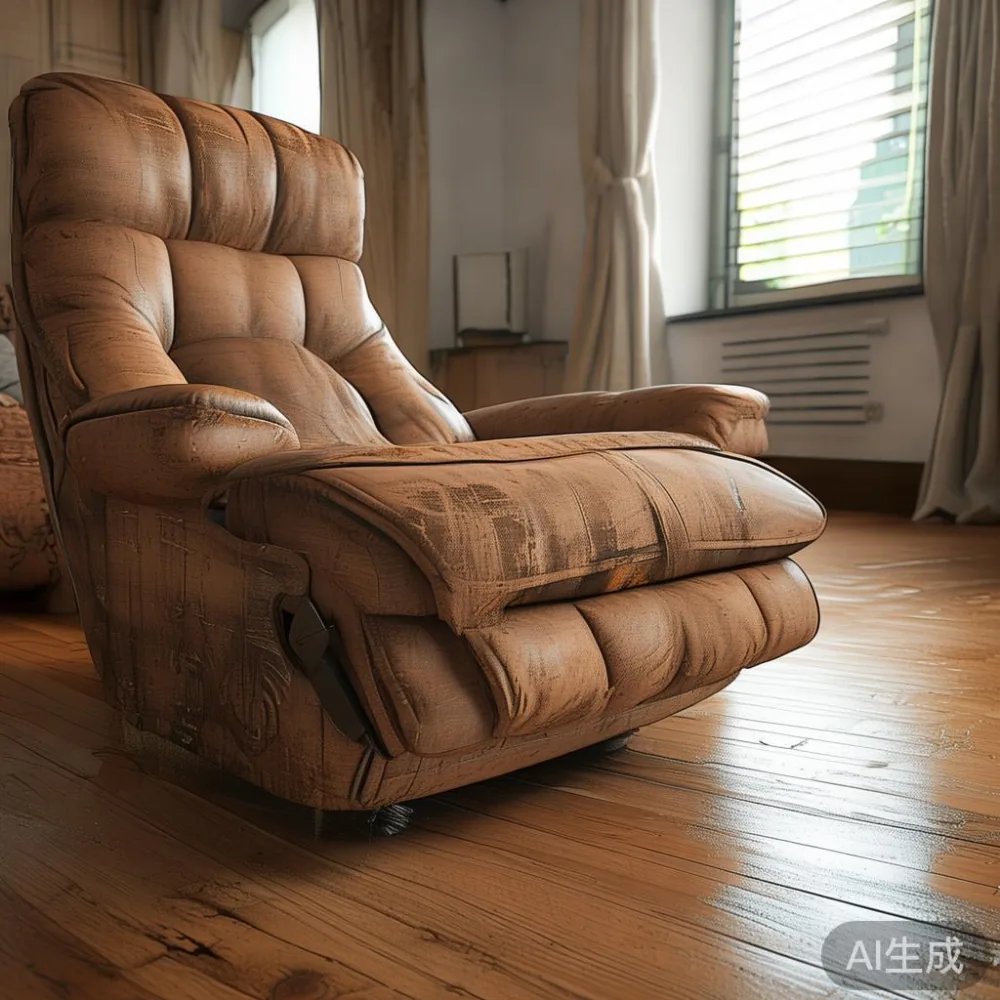
A recliner sofa combines timber, foam, webbing, leather or textile, and mechanical parts, so humidity can affect each layer differently. The frame may expand slightly; the foam can become softer and absorb more moisture than expected; and fabric may wrinkle or develop a musty smell if air circulation is poor. Leather can feel tacky or tight, while dark stains may appear after damp storage.
For a recliner sofa in a Singapore bedroom or living room, inspect the underside after 24–48 hours of damp weather. Look for a musty odour, darkened timber, loose staples, or a foot that rocks on the floor. A frame joint should remain firm rather than showing a 2–3 mm gap. Avoid dragging the sofa across a 3 mm threshold; lift it with 2 people if the model weighs 55–75 kg, or use a rated furniture dolly with a 150 kg capacity.
Leather and fabric need different care. Wipe leather with a lightly damp cloth and dry it within 30 minutes. Do not use household bleach, vinegar, or a soaked spray. For textile upholstery, vacuum with a brush attachment at least once a week and improve ventilation after showers. A small activated-carbon sachet can reduce odour in a closed storage area, but it does not remove the source of dampness.
Mechanical reclining components deserve attention too. Keep coins, grit, and damp towels out of the footrest track. A drop of clean dry lubricant may help, but never oil a hinge while the recliner sofa is occupied or moving. Check the mechanism after 6 months, then yearly. This is especially important in a household where a child or elderly parent uses the seat daily; the upholstery should not pinch when the chair reclines to approximately 105–115 degrees.
Humidity is also relevant to a marble table. Marble can remain visually unchanged while the timber cabinet beneath it responds to moisture. Use a stable support surface, coasters with a 5–10 mm edge, and leave 20–30 cm of space from walls where practical. A marble dining top should not be lifted by its stone edge alone; the installed weight may be 45–70 kg depending on size.
Which furniture pieces need the most attention in HDB flats and condos?
Wardrobes are usually the first place homeowners notice a problem because doors need a narrow, repeatable clearance. A 60 cm wide wardrobe might require 3–5 mm around each side and 6–10 mm above or below, depending on the installation method. In a compact Punggol bedroom, a built-in unit can look neat but trap humidity against the back panel.
A wardrobe that stands free from a wall has more airflow than one flush against a cold external wall. If the layout permits, leave a 30–50 cm ventilation gap where the room remains usable, or ensure the service cavity has an opening at both top and bottom. A nightstand should sit 10–20 cm off the floor if a damp mopping routine is involved, and its drawer should have a small stop rather than pressing tightly against the carcass.
Bed frames deserve the same inspection. Check the centre support every 6 months and look for movement after a wet week. A queen bed frame may carry 180–250 kg of sleeping weight, so an expanding rail can create noise or loosen a centre leg. Keep the frame 20–30 cm from a window or air-conditioner outlet, and use breathable cotton bedding rather than a plastic mattress cover during humid nights.
Dining tables combine a broad surface with vulnerable end-grain edges. A 200 cm solid wood dining table may change width by 2–4 mm across the season. Wipe spills within 10 minutes and do not leave a ringed water glass overnight. In a condo dining area with 2.5–3.5 m of circulation space, maintain clearance from the nearest wall so the table can be serviced without scraping the plaster.
What should I do before placing furniture in a newly renovated home?
Wait until the renovation moisture has settled. In Singapore, a practical waiting period is 2–4 weeks after painting, screeding, tiling, or major wet work, although the drying time can vary. A room that feels cool and damp may still register 75% humidity. Check the wall with a pinless moisture meter where available, and compare the readings with the target of 45–65%.
Measure the route before delivery day. Record the HDB lift door width, corridor pinch points, and the smallest turning space. Compare those dimensions with the packed carton, not just the assembled furniture. A solid wood sofa carton can be 210–230 cm long and 75–95 cm wide, while a recliner sofa may arrive in 2–3 sections. If a lift opening is only 80–90 cm, confirm that the cartons can pass through before the driver arrives.
Allow delivery windows of 5–10 working days for made-to-order pieces and 1–3 working days for stock items, subject to the final production schedule. Since the subject is furniture care, delivery details are worth stating plainly: measure first, protect the route with cardboard or a floor mat, and keep the furniture in its packaging for as long as practical. Do not remove an item from its carton just because the lift is free; repeated handling in a humid corridor can scratch the finish before it reaches the room.
For an imported solid wood piece, acclimatise it gradually. Keep it in a ventilated room for 7–14 days, away from direct air-conditioner airflow and standing water. Open the protective wrapping slightly rather than sealing the entire package. If the item is a recliner sofa, check the frame after 48 hours and again after a week of normal use.
Can Singapore humidity ruin a solid wood sofa?
Humidity can damage furniture, but it rarely means that a properly made solid wood sofa must be discarded after one damp season. Damage is more likely when timber arrives damp, the frame is unsealed underneath, the furniture sits against a wet wall, or ventilation is neglected for many months.
Watch for warning signs such as a persistent smell, a door that catches every week, a rail that creaks under weight, or small flakes of finish at an exposed edge. Treat the early signs instead of waiting for a joint to fail. Move the item 30–60 cm from the wall, reduce indoor humidity toward 65%, and inspect the finish after 7 days.
For a leather recliner sofa, use a pH-neutral leather cleaner and test it on a hidden area measuring 5 cm by 5 cm. For fabric, clean according to the upholstery label and avoid saturating the foam. If the frame is solid wood, apply a suitable maintenance product only as directed by the finish supplier; oil, lacquer, and wax are not interchangeable.
MIDHILL’s 14-day returns policy gives buyers time to assess appearance and fit, though a furniture item should be checked for transit damage on arrival. Photograph the carton, frame, finish, and mechanism within 24 hours. Report any impact marks, split corners, or bent legs before assembly. This is particularly useful for a recliner sofa delivered through a narrow lift and corridor.
How do I choose furniture styles that suit humid Southeast Asian homes?
Style does not determine moisture resistance, but certain design choices can make care easier. Light-coloured solid wood shows dust and stains clearly; dark finishes can make water marks less visible but may show a whitish moisture bloom. Matte finishes are often easier to touch up than high-gloss surfaces, while routed profiles and carved details can collect damp dust.
For living rooms, French light luxury gives a soft, upholstered character that pairs well with a recliner sofa, especially when pale textiles are protected with coasters and regular vacuuming. A post-modern approach can use clean lines, mixed woods, and a restrained marble table to keep the visual language calm in a compact flat. For buyers comparing references, a French provincial for hotel style can provide useful ideas about layered textiles and decorative profiles, though hotel furniture should still be selected for washable materials and solid daily use.
Dining areas can use light luxury for dining room principles such as a solid timber centre table, warm neutral lighting, and a controlled palette rather than a crowded collection of objects. One Italian light luxury accent chair can add presence without filling a 12–18 m² HDB dining area, provided its seat width is around 48–55 cm and the back clearance is at least 75 cm.
For storage, the question “is Mid-century modern wardrobe worth it” depends on usable ventilation and door clearances, not only the profile. Slim handles, adjustable shelves, and a 5–10 mm installation tolerance can help. For anyone researching top 10 Boho furniture ideas, focus on rattan or woven pieces with measurable care instructions; natural fibres should stay dry and should not be placed where a balcony door opens onto humid air.
For a bed frame, the European bed vs Japandi bed comparison often concerns proportions, storage, and room scale. A European upholstered headboard may need 60–75 cm of wall clearance; a lower Japandi-style frame can be easier to place in a small Punggol bedroom. Either way, check for airflow behind the headboard and avoid trapped moisture.
What routine keeps furniture in good condition through 12 months?
A 10-minute weekly check is usually enough for a living room. Use a hygrometer, inspect the recliner sofa mechanism, vacuum upholstery, and wipe exposed timber with a dry cloth. Every month, check the dining table edges, nightstand undersides, bed-frame bolts, and wardrobe gaps. After heavy rain, spend 5 minutes looking for standing water, damp skirting boards, and condensation around windows.
Once a year, inspect the finish for scratches, lifting, or pale patches. Keep the room between 45–65% relative humidity where possible, and service leather or fabric according to its specific instructions. Do not apply furniture polish to a marble table, and do not place hot cookware directly on wood. A trivet with a 2–5 mm clearance can prevent a burn ring in under a minute.
For furniture makers and buyers comparing designs, the practical point is simple: timber needs air movement, stable humidity, and careful delivery. That same principle applies to a solid wood sofa, bed frame, dining table, wardrobe, nightstand, or marble table. When these details are planned from the beginning, a recliner sofa can remain a comfortable centre of daily life even through Singapore’s 4 seasonal phases and long-term humidity cycles.