How Southeast Asian Humidity Affects Solid Wood Furniture in Singapore Homes
Singapore’s tropical climate can make a 220 cm solid wood sofa feel at home in a Tampines HDB flat, yet humidity can also cause its timber to swell, cup, or develop mould if the furniture is poorly protected. In Bedok and Punggol condos, where rooms may face stronger air-conditioning or more direct afternoon sun, the same moisture problem can appear in a different form: the wood contracts as it dries.
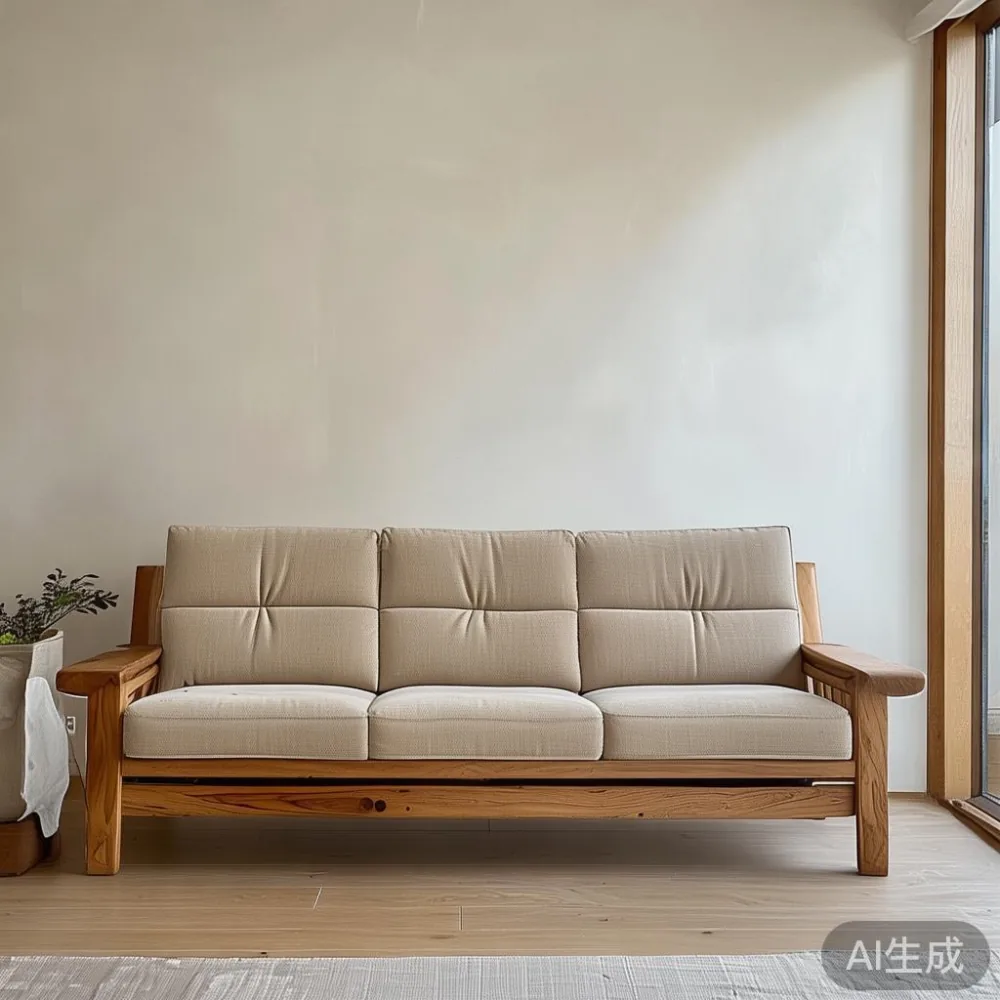
That movement is normal for solid timber. The concern is repeated or extreme movement without suitable protection. MIDHILL designs furniture for real Southeast Asian homes, including a recliner sofa with solid wood framing, while explaining how customers can preserve the finish, joints, and appearance for years.
This guide covers humidity levels, material selection, placement, maintenance, and delivery considerations for Singapore households. It also considers how furniture must fit through HDB lifts, condominium corridors, and busy household routines. Prices are shown in SGD and include Singapore GST where applicable.
Why Does Humidity Affect Solid Wood Furniture in Singapore?
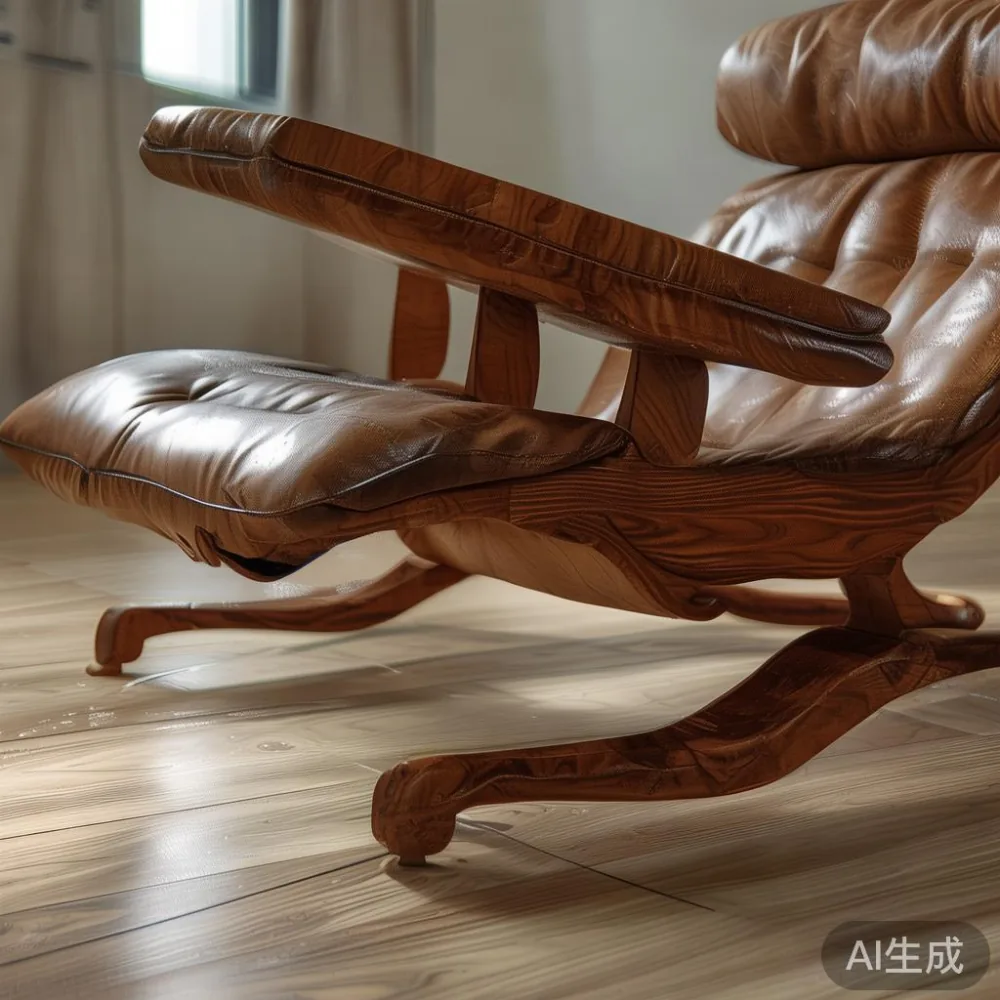
Wood is hygroscopic: it absorbs moisture from the air and releases it when the air becomes drier. A solid wood dining table with a 4 cm top may change dimension by roughly 1–3 mm across its width during a severe seasonal shift. Smaller components, such as a 45 cm nightstand or the arms of a 210 cm recliner sofa, can move within a tighter frame where there is less tolerance for swelling.
Singapore’s outdoor relative humidity commonly ranges from about 65% to 90%, while heavily air-conditioned interiors may fall below 50%. These are useful reference points, not a promise that every room behaves identically. A unit beside a west-facing window can experience daily changes of 15–25 percentage points, while a ground-floor bedroom in Bedok may retain more moisture after rain.
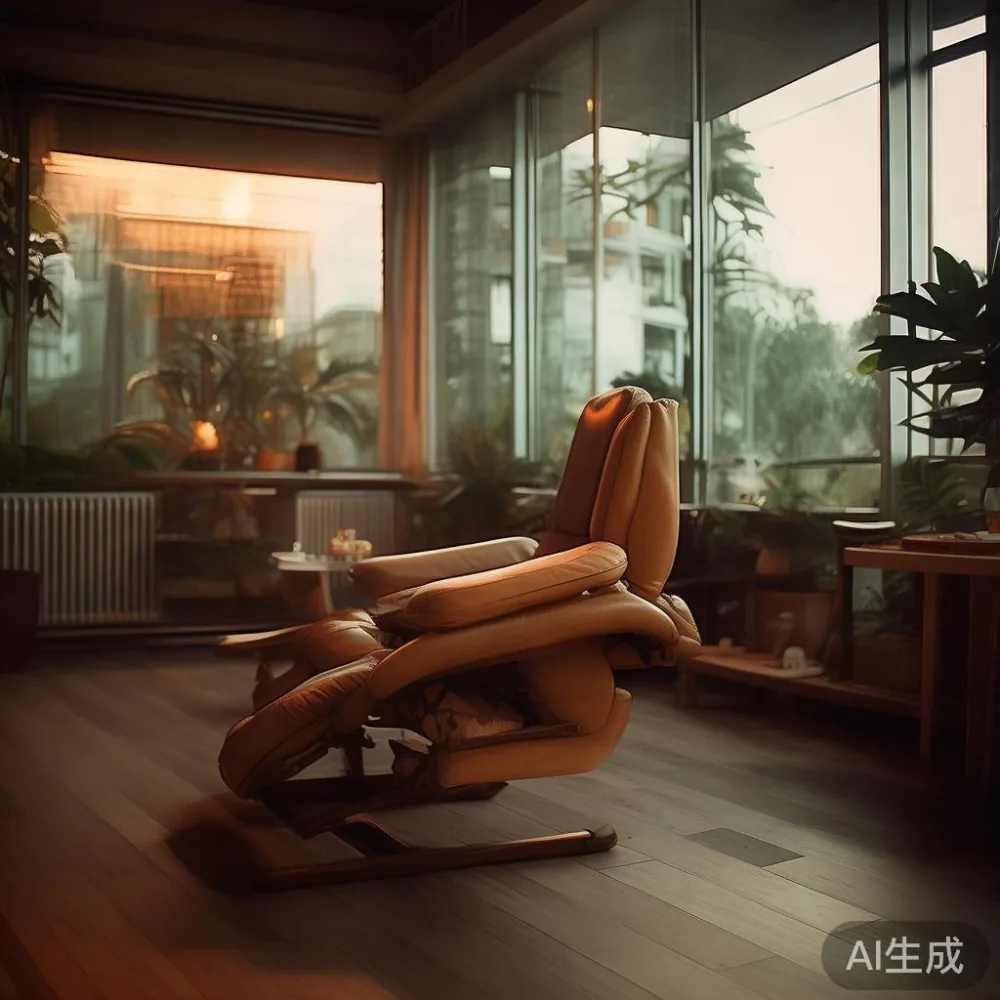
For solid wood furniture, stable indoor conditions matter more than chasing one perfect number. A reasonable target is around 45–60% relative humidity, with surfaces kept away from damp walls and direct air-conditioner outlets. The furniture should acclimatise in its final room for approximately 7–14 days, especially if it arrives during Singapore’s wettest periods.
Humidity can affect a solid wood sofa, bed frame, dining table, wardrobe, nightstand, and marble table differently. Timber changes dimension; engineered panels may show edge swelling; upholstery can develop mildew; and natural stone can show water marks. Veneers, lacquer, stains, and oils each respond differently, so asking about the exact construction is important.
What Is the Safe Humidity Range for a Recliner Sofa?
A relative humidity reading of 45–60% is a practical target for most wooden furniture in Singapore. The more important point is consistency. Repeated swings from 45% to 85% place more stress on timber joints, drawer runners, veneer edges, and finishing coats than holding steady around 60%.
A digital hygrometer is inexpensive. A simple model commonly costs SGD 12–30, while one with temperature and humidity history can cost SGD 35–80. Place it near the sofa rather than against an external wall, and check it at approximately 8 a.m. and 8 p.m. for at least 7 days. This reveals the room’s daily pattern before humidity becomes visible.
Recliner sofas need particular attention because their mechanisms create many moving connections. On a 205–230 cm model, the powered mechanism may have 2–3 adjustment positions, and the timber side arms and back panels sit close to the upholstery. Swelling must not obstruct the footrest, seat depth, or reclining path.
For a HDB living room, keep the recliner sofa at least 15 cm away from a perimeter wall where practical and 30–60 cm from a curtain that may brush against the timber. In a Punggol condo with floor-to-ceiling glazing, use a sheer curtain or UV film rather than placing the sofa in direct afternoon light. Stable conditions protect both the solid wood frame and the mechanism over a 10-year structural life.
How Much Space Should Leave Around Solid Wood Furniture?
Humidity-related movement is easier to manage when furniture has ventilation and access for cleaning. A solid wood dining table should normally have 90 cm of clearance from walls and 120 cm between the table edge and nearby chairs. Allow at least 60 cm around a wardrobe where drawers and doors open, and keep its back 10–15 cm from the wall so moisture can be wiped away.
A bed frame needs 5–10 cm of rear clearance for servicing and 60–75 cm on access sides. A nightstand needs about 40 cm of movement space, enough for a 30 cm table lamp and a glass of water without placing the item against a cold or damp surface.
Recliner sofa dimensions should include the full reclined depth, not merely the seated width. A model marked 220 cm wide may extend to approximately 165–175 cm in the reclined position. Measure the room from the front of the sofa to the opposite wall, then add 60–90 cm for circulation. For a narrow HDB living room, a 185–200 cm compact recliner sofa can offer a gentler footprint, although wall clearance remains necessary.
These clearances also make inspection easier. Homeowners can check for mould, lifted edges, stains, and joint movement without squeezing behind a wardrobe or pushing a heavy recliner into place. Use a lifting strap for components over 20 kg, and have a second person help move any item over 40 kg.
Can Singapore Humidity Cause Mould or Warping in a Recliner Sofa?
Yes, if timber or upholstery remains damp. The usual signs are a musty smell, black spotting near joints, a sticky finish, or a door that no longer closes evenly. Surface mould can appear on a solid wood side panel, inside a storage compartment, or beneath a seat cushion where airflow is poor.
Cleaning should begin with diagnosis. Wipe the affected area with a lightly damp microfibre cloth, not a soaked one. Dry it immediately with a clean cloth and keep the room below roughly 60% humidity. If the patch returns, inspect behind removable panels and underneath the sofa. Persistent black spotting may require professional servicing rather than household bleach, which can damage stains and lacquer.
For routine care, vacuum upholstery every 7–10 days and rotate cushions monthly. Keep at least 10 cm between the back cushion and wall where possible. Do not leave damp bath towels on a solid wood sofa or use a wet steam cleaner on visible timber.
Pine, oak, ash, and other solid woods have different movement rates, while a marble table does not absorb moisture in the same way as timber. Marble can be affected by acidic spills and needs coasters, but it should still be protected from standing water. A good care routine treats each material according to its construction rather than applying one harsh method to everything.
What Can I Do if Humidity Is High in My HDB Flat?
Start with airflow and moisture sources. Run the air-conditioner for 2–4 hours when relative humidity is consistently above 65%, but aim for a gradual transition rather than cooling the room abruptly. A dehumidifier may help in persistently damp bedrooms or ground-floor storage areas; common domestic models cost SGD 180–450 and should be selected for the actual room volume.
Check kitchen and bathroom ventilation. Use an exhaust fan for 15–30 minutes after showering, wipe wet surfaces, and keep laundry away from timber panels. Refrain from drying clothing directly above a wardrobe or bed frame. Small silica-gel packs can protect enclosed storage, although they need regular replacement or regeneration and cannot control an entire room.
For a Tampines HDB unit with narrow corridors, protect the route before delivery day. Measure the lift door, lift car, corridor turns, and unit entrance. A 210 cm recliner sofa may fit along one corridor wall but fail to clear a right-angled turn. A 220 cm solid wood dining table may need to enter as separate sections because its top is easier to carry vertically.
MIDHILL can confirm packed dimensions before dispatch and arrange delivery to the unit level. Cartons should be inspected within 15 minutes of arrival and furniture moved into its final room within 24 hours. This prevents humid packing material from remaining against the finish.
Does Air-Conditioning Make Solid Wood Furniture Crack?
Over time, repeated strong cooling and heating can dry timber faster than normal seasonal changes. The surface may contract before the core, creating fine checks that are often mistaken for structural failure. Tiny surface lines can appear in a 3–4 cm oak dining table, while a wide solid wood bed frame may show more noticeable movement along the grain.
Keep the air-conditioner’s direct airflow away from the furniture. Leave 30–60 cm where possible, and use a room sensor rather than relying on a wall thermostat near a cold surface. The goal is steady temperature and humidity, not simply a lower reading.
Inspect twice each year, particularly before and after the monsoon periods. Look at the ends of boards, drawer sides, table edges, and the back of wardrobe panels. Wipe with a barely damp cloth, then dry. Avoid paraffin oil, furniture polish, and silicone spray unless the manufacturer confirms compatibility with the existing finish.
Over 10 years, a disciplined routine is generally more effective than occasional aggressive treatment. Use coasters measuring at least 5 cm larger than the base of a lamp or cup. Place a dining table mat over an area at least 60 cm wide and 40 cm deep. In a bedroom, keep liquids away from the 45 cm nightstand and lift the 30 cm table lamp before mopping nearby.
How Should Solid Wood Furniture Be Delivered in a Singapore Condo?
Measure every access point, including the lift lobby and the corridor outside the unit. Record the narrowest width, lowest ceiling, tightest turn, and maximum lift-car dimensions. For example, a 105 cm lift door may accept a 90 cm wardrobe but not a 120 cm solid wood wardrobe without turning it. Doorway clearances of 80 cm may require a larger angle than the manufacturer assumes.
Protect floors with cardboard or felt pads during delivery. Remove the protective film only after the furniture reaches the final room, and allow approximately 48 hours before closely handling surfaces that may have been chilled during transport. Heavy components over 25 kg should be carried by 2 trained people; a powered recliner sofa mechanism can weigh 70–120 kg, depending on its size and motor system.
Singapore GST and delivery charges should be shown clearly in SGD. A practical local quotation might include a SGD 120–250 delivery service for lift-to-door placement in most HDB estates, while a difficult condominium move may cost SGD 250–450. Prices can vary with access, stairs, and the number of items. MIDHILL provides free shipping for qualifying orders above US$350, with the local checkout confirming the SGD amount, GST, and delivery days.
Allow approximately 3–7 delivery days for in-stock Singapore orders, but allow 14–30 days for made-to-order pieces or consolidated sea shipments. Inspect the carton, corners, hardware, and finish within 15 minutes. Damage should be photographed before the carton is removed, and assembly or movement instructions should be followed without altering the joints.
Which Wood Finishes Are More Resistant to Humidity?
No finish makes solid wood completely moisture-proof. A hardwax oil enhances the grain and permits careful maintenance, while a matte lacquer creates a more uniform barrier. Conversion varnish is durable but may need specialist repair if breached. The practical choice depends on appearance, cleaning habits, and willingness to maintain the surface.
For a light-luxury interior, solid wood furniture can use restrained natural grain, muted taupe, soft cream, or pale oak tones. French light luxury often pairs carved details with clean silhouettes; American light luxury favours generous proportions and tactile upholstery; post-modern light luxury may mix warm timber with simple lines. The recliner sofa should coordinate with those choices without making the room feel crowded.
Other product searches reflect how shoppers localise their preferences. The phrase Mid-century modern for hotel points to clean forms suitable for hospitality projects, while Industrial for small living room describes compact metal-and-timber planning for urban apartments. Vintage for dining room can mean selected old pieces rather than new reproductions, so movement and repairs must be checked carefully. Asking “is Japanese bed worth it” requires comparison of construction, dimensions, and warranty rather than style alone. For wardrobes, the phrase best French wardrobe for 2026 should be treated as a shopping query, with the most appropriate option depending on storage volume and room depth. The same market phrase, best French provincial furniture, describes a warm decorative style, not a moisture specification.
Material labels should also be checked. A solid wood sofa refers to structural timber, but padding, webbing, springs, and finish still matter. A solid wood dining table may have a timber top with a different base, a bed frame may use slats or a platform, and a marble table has a separate stone-care requirement. MIDHILL explains these construction details so customers can compare like with like.
How Do I Care for Furniture During Singapore’s Rainy Period?
Before the monsoon period, check exterior seals, wipe down furniture, and note any movement in doors or drawers. Keep parcels and cartons away from walls because trapped cardboard can transfer moisture to timber. Raise stored items by at least 10 cm from the floor, especially in ground-floor areas.
After heavy rain, ventilate the home for 30–60 minutes when outdoor conditions allow. Avoid opening a very damp wardrobe immediately against a warm wall, and remove the first 10–15 cm of stored clothing so air can circulate. A pair of cedar blocks or odour-absorbing sachets may assist storage, but they do not replace moisture control.
On a solid wood sofa, check beneath removable cushions every 3–4 weeks. On a dining table, dry spills within 10 minutes. On a bed frame, inspect slat fixings and wipe beneath the mattress every 3 months. For a wardrobe, clean the base and corners every 2–3 months. Keep a marble table protected with coasters and a soft cloth rather than allowing condensation from cold glasses.
Use a 10-year structural warranty as protection against defective joinery, but understand that humidity damage caused by flooding, poor storage, or neglected maintenance is different from a structural defect. The lifetime refinishing service also depends on the furniture remaining serviceable and the terms of the programme.
What Humidity Level Is Ideal for Singapore’s Indoor Furniture?
Aim for approximately 45–60% relative humidity and minimise abrupt changes. Keep a hygrometer near the main seating area and another in a bedroom if the budget permits, costing SGD 24–60 for the pair. Record readings for 14 days before making major adjustments. During that period, note when the humidity exceeds 65%, when condensation appears, and whether the recliner sofa closes or moves normally.
For more design guidance or product specifications, MIDHILL’s catalogue at www.midhill.co can support comparisons of recliner sofa dimensions, timber options, and coordinating furniture. A 14-day return window gives customers time to assess fit and comfort, while delivery planning remains important for lift and corridor access.
Humidity does not make Singapore unsuitable for solid wood furniture. It makes controlled care more important. Stable indoor conditions, sensible placement, prompt spill removal, and regular inspection can protect a solid wood sofa, bed frame, dining table, wardrobe, nightstand, or marble table for many years. The central rule is simple: keep the wood closer to the condition in which it was made than to the changing weather outside.