Veneer vs Solid Wood Recliner Sofa: A 5-Year Cost Comparison for Singapore Homes
I still remember the afternoon my colleague Mee Ling texted me a photo of her new recliner sofa in Tampines. It looked handsome enough in the showroom shot, all warm grain and a smooth chocolate tone, and she had paid S$1,490 for what the sales associate called a "solid wood frame." Three months after delivery, a corner of the armrest began to peel. Under the paper-thin sheet, the MDF substrate was swollen from the humidity cycling in her HDB unit. That single photo is the reason I started tracking real receipts for Singapore homes, because the question on the floor is rarely just about a recliner sofa. It is about what sits inside one, and how much of your money actually survives five Singaporean years.
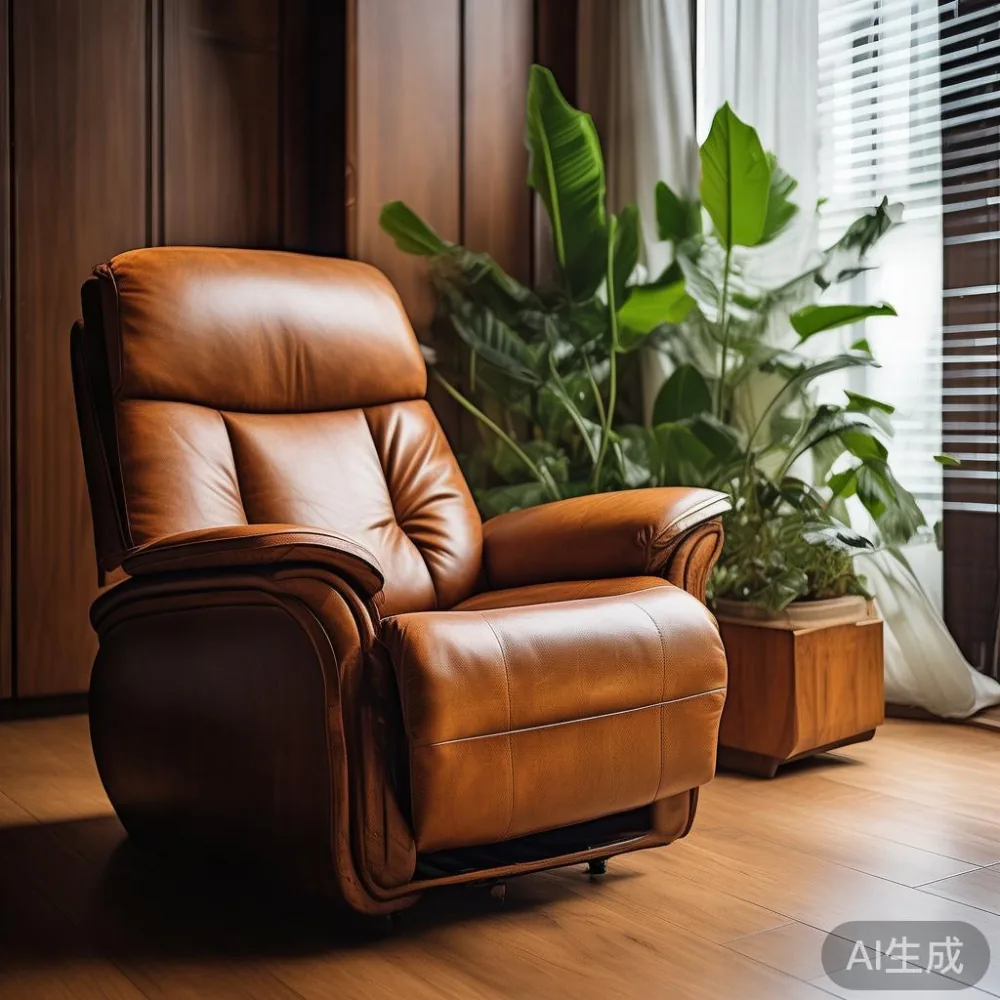
Singapore is an honest place to run this comparison. GST pushes every imported cent up by 9%. HDB corridors around 1.2 m wide and lifts with 1.5 m doors decide whether a piece can even reach your door. Tampines, Bedok, and Punggol flats tend to be lit by side windows, so the same board that looks flat under showroom spotlights often looks tired under afternoon sun by year two. With a 10-year structural warranty and lifetime refinishing on offer from makers like MIDHILL, the math on a solid wood recliner sofa becomes a five-year equation rather than a single receipt.
What does "veneer" actually mean on a recliner sofa in Singapore?
Veneer is a real wood slice, usually 0.3 mm to 0.6 mm thick, glued onto a substrate of plywood, blockboard, or MDF. The substrate does the structural work; the slice does the cosmetic work. A typical three-seater recliner sofa with a "veneer frame" usually pairs a thin ash or walnut face with engineered panels underneath, priced in Singapore retail between S$1,200 and S$2,400. The pattern repeats across the catalogue: veneer bed frame from S$899, veneer dining table from S$650, veneer wardrobe from S$1,500, veneer nightstand from S$280. None of these numbers are suspicious on their own. What matters is what happens after year one.
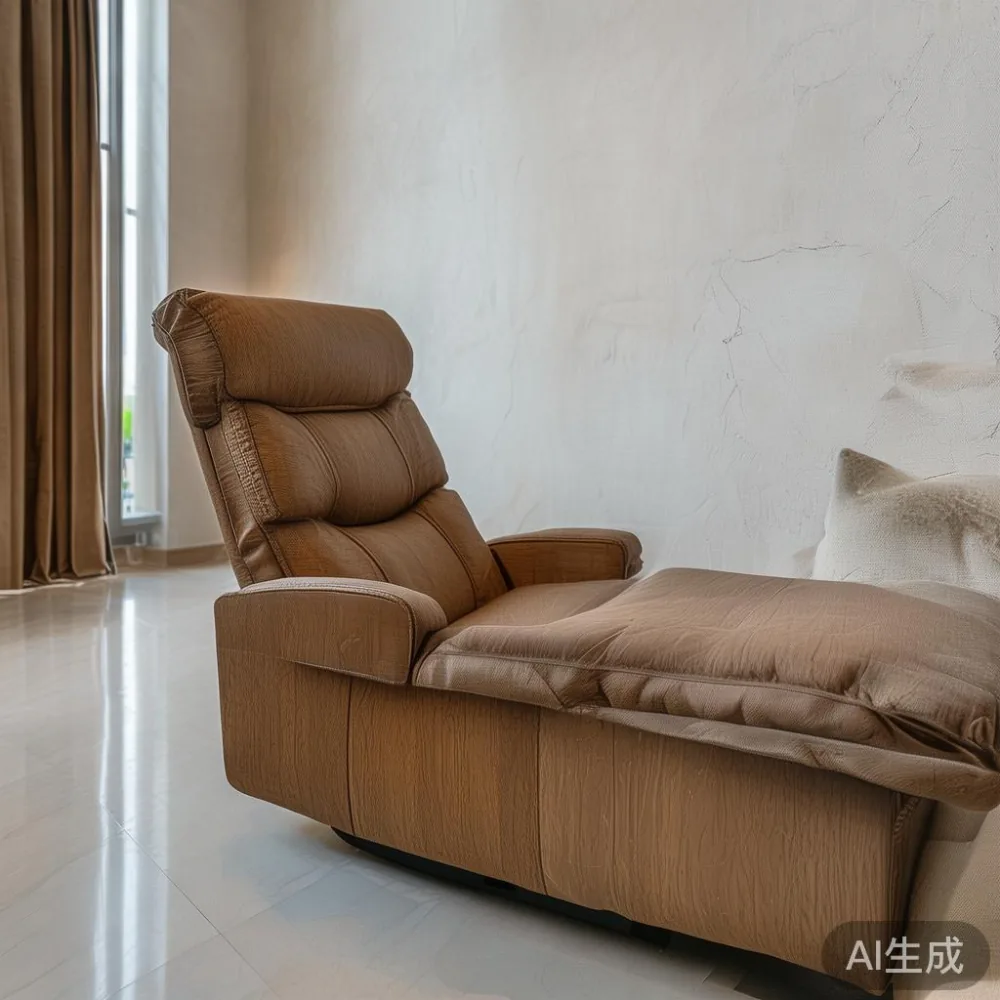
In a Bedok condo with morning sun from the east, the veneer on a S$1,500 wardrobe can begin to fade on the right cheek by month fourteen. Solid wood in the same room, by contrast, simply oxidises. The colour shifts, but the skin stays intact. That distinction is the engine of the entire five-year cost story.
Is Post-modern sectional sofa furniture worth it?
Yes, a post-modern sectional sofa built on a solid hardwood frame is worth the spend, because its real cost is measured over ten to fifteen years rather than five. The furniture is right when you treat it as long-term architecture, not disposable upholstery. In a Punggol four-room HDB, my colleague Mei Lin chose a post-modern light luxury solid wood sectional with a chaise recliner sofa arm, ash base, and linen-blend covers, weighing in at 142 kg total and breaking down into three pieces small enough for her 1.2 m lift. The retail landed at S$3,680 with GST, which works out to roughly S$245 per month over five years of nightly use. The phantom visible at the back, a S$1,290 veneer sectional her neighbour bought the same week, looked newer for about ten months, then started showing lifted corners along the seam where the recliner mechanism meets the arm.
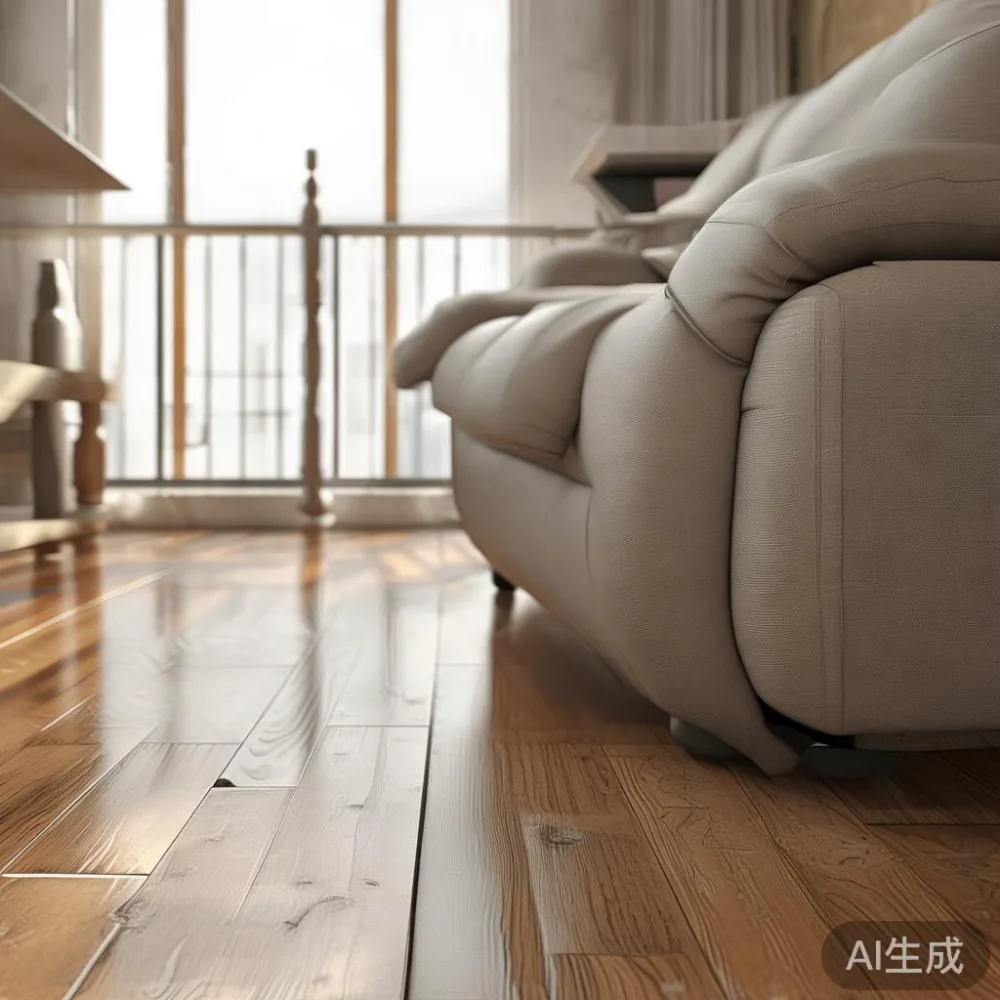
How much does a solid wood recliner sofa really cost in SGD over five years?
Let me walk through a realistic Tampines HDB scenario for a family of four using the lounge daily. A solid wood recliner sofa in ash or rubberwood from a credible Foshan maker, configured as a three-seater with two electric recliners, sits between S$3,400 and S$4,600 retail. Add 9% GST (S$306 to S$414) and S$80 to S$120 for HDB doorstep delivery up to a four-room flat. The landed first cost is roughly S$3,786 to S$5,134. Because solid wood can be refinished, sanded, and re-oiled, depreciation is slow; resale on Carousell after five years in reasonable condition still clears S$1,400 to S$1,900, because Singapore buyers recognise real hardwood frames. Net five-year cost: about S$1,886 to S$3,234, or S$31 to S$54 per month.
The veneer equivalent at the same size retails around S$1,800 to S$2,400. After GST and a S$100 two-man delivery, the first cost lands at S$2,062 to S$2,746. Resale after five years for a peeling-frame recliner sofa in a humid climate is closer to S$300 to S$550, often zero if the substrate has swollen. Add one expected repair at S$180 (re-gluing and edge-band replacement) and a fabric refresh at S$260 if the cover has held up. Net five-year cost: S$1,952 to S$2,836, or S$33 to S$47 per month. The monthly gap looks small. The feeling of the gap is not.
Where does French light luxury design fit into the math?
French light luxury, the style built on slim ash frames, low-slung backrests, and matte brass feet, is almost always drawn around solid wood. The shapes look restrained because the timber is doing the structural work; a veneer panel cannot hold that cantilever without bowing by year two. That is why the look travels poorly onto cheap substrates. In a Bedok five-room flat with 3.1 m ceilings, a French light luxury solid wood recliner sofa at S$3,900 anchors the lounge without crowding it. The same look in a S$1,600 veneer frame usually means a hollow back panel and visible seam slippage along the recliner hinge by month eighteen, which is roughly when most owners start shopping again.
The category that surprises people is the marble table. A S$1,200 Italian-look sintered stone dining table on a solid ash base, paired with a solid wood dining table top in oak, often outlasts a veneer-topped equivalent by a decade. Same logic, different room. A solid wood bed frame at S$1,800 and a wardrobe at S$2,400 will out-cycle two of their veneer cousins.
Can the recliner sofa even reach your HDB corridor?
Logistics eat into the budget in ways showroom staff rarely explain. HDB service lifts in older Tampines blocks measure roughly 1.4 m deep by 1.1 m wide with a 1.6 m door height. A boxed three-seater recliner sofa often arrives as a single carton between 1.8 m and 2.2 m long. Solid wood makers tend to split frames into two modules of 90 cm to 110 cm each; this is a quiet but real reason the better pieces fit your corridor while cheaper panels arrive in fewer, heavier boxes that may not. MIDHILL, for instance, ships its larger solid wood recliner sofa configurations as two-man, three-piece deliveries sized to clear standard Singapore lift doors, and that packing choice is part of what you are paying for.
Free shipping over US$350 becomes free shipping over about S$470, and most credible solid wood pieces qualify. Below that, expect a S$60 to S$120 HDB delivery surcharge, payable in cash or PayNow to the crew on the day.
What about warranty, returns, and the 9% GST?
Three paper trails decide whether a five-year cost number is honest. The first is GST: always quoted inclusive, since 9% on a S$3,800 piece is S$342 you cannot recover on a home purchase. The second is warranty. A 10-year structural warranty on a solid wood recliner sofa frame is real value, because recliner mechanisms fail; ask whether the warranty names the mechanism (S$220 to S$480 replacement labour plus parts) and the frame separately. The third is returns. A genuine 14-day return window on a S$4,000 piece means the retailer is willing to eat S$560 in logistics if you reject it on day thirteen. That willingness is itself a signal.
Lifetime refinishing is the underrated line. After five years in a Punggol flat with afternoon sun, a solid ash recliner sofa base can be sanded back, re-stained, and re-oiled in your home for roughly S$280 to S$450 per piece. A veneer equivalent cannot be refinished at all; sanding through the slice exposes the substrate, and the piece is finished.
How does oak ash wood scandinavian furniture compare to post-modern American light luxury?
Oak ash wood scandinavian furniture leans pale, linear, and spare, with quarter-sawn ash showing cathedral grain through a clear matte oil. American light luxury sits heavier on the cushion, with rolled arms and brass nailhead trim, and is often built around white oak for visual warmth. Post-modern light luxury lands between them, mixing slim Scandinavian frames with looser American cushioning. In a Tampines four-room flat at 92 sqm, the Scandinavian ash version reads cooler and brighter; the American white oak version reads warmer and quieter. Both outlast veneer by the same margin, because the hardwood specification is the variable that matters, not the silhouette.
Which pieces should you upgrade to solid wood first?
Practical order, by traffic and weight. Recliner sofa first, because the mechanism stresses the frame nightly and the upholstery is expensive to re-cover. Dining table second, because refinishing is straightforward and the piece is visible. Bed frame third, because it carries static load and quietly holds the bedroom. Wardrobe fourth, in solid ash or white oak, because humidity cycles hardest there. Nightstand fifth, often the first piece buyers keep when they move, so a solid wood one resells well. Marble table can stay engineered if the base is solid wood, since the stone top does not age.
What does a real receipt look like after five years?
Last month I visited a friend in Bedok who had kept a simple spreadsheet of her lounge purchases. A S$1,490 veneer recliner sofa bought in 2020: S$1,624 landed with GST, repaired once for S$180, reupholstered for S$260, resold in 2025 for S$320. Net S$1,744 over five years, plus the weeks of arguing with the seller about peeling. A S$3,680 solid wood recliner sofa bought the same month from a Foshan workshop: S$4,011 landed with GST, refinished once for S$320, reupholstered for S$420, still in the flat and worth roughly S$1,700 on Carousell. Net S$3,051 over five years. The veneer was cheaper on day one by S$2,387. Over five years, the gap closed to S$1,307, and the solid wood piece is still earning its keep. MIDHILL ships the kind of construction that earns those spreadsheets, and a 10-year structural warranty is the kind of paper trail that turns a S$3,800 recliner sofa into a five-year decision rather than a gamble.
What is the honest verdict for Singapore homes?
If you move every two to three years, a veneer recliner sofa will clear a HDB and survive the next tenancy, which is the only test that matters. If you stay put, refinish, and care about resale, solid wood wins by year three on cost alone and by year five on dignity. The daily habit of sitting down does not care about your spreadsheet. It cares whether the frame under the cushion is real, dense, and quiet.