Reading the Fine Print: How to Read a Furniture Warranty Without Getting Caught Out
You can fall in love with a solid wood sofa in fifteen minutes. You can spend three weekends measuring your Tampines 4-room HDB corridor (usually about 1.2 m wide), rehearsing the turn into the lift lobby, and picturing a recliner sofa in your living room. The piece that quietly decides whether those three weekends were a smart investment or a costly mistake is something almost nobody reads: the warranty card folded inside the plastic bag with the assembly bolts. After fifteen years of writing about and selling solid wood furniture, including a stint helping a Foshan factory ship to importers from Tampines to Toronto, I have learned that the warranty page is where the marketing promises either hold up or quietly dissolve. This guide walks you through how to read a furniture warranty without getting caught out, with specific numbers, real clauses, and the Singapore-specific traps that bite at the delivery moment.
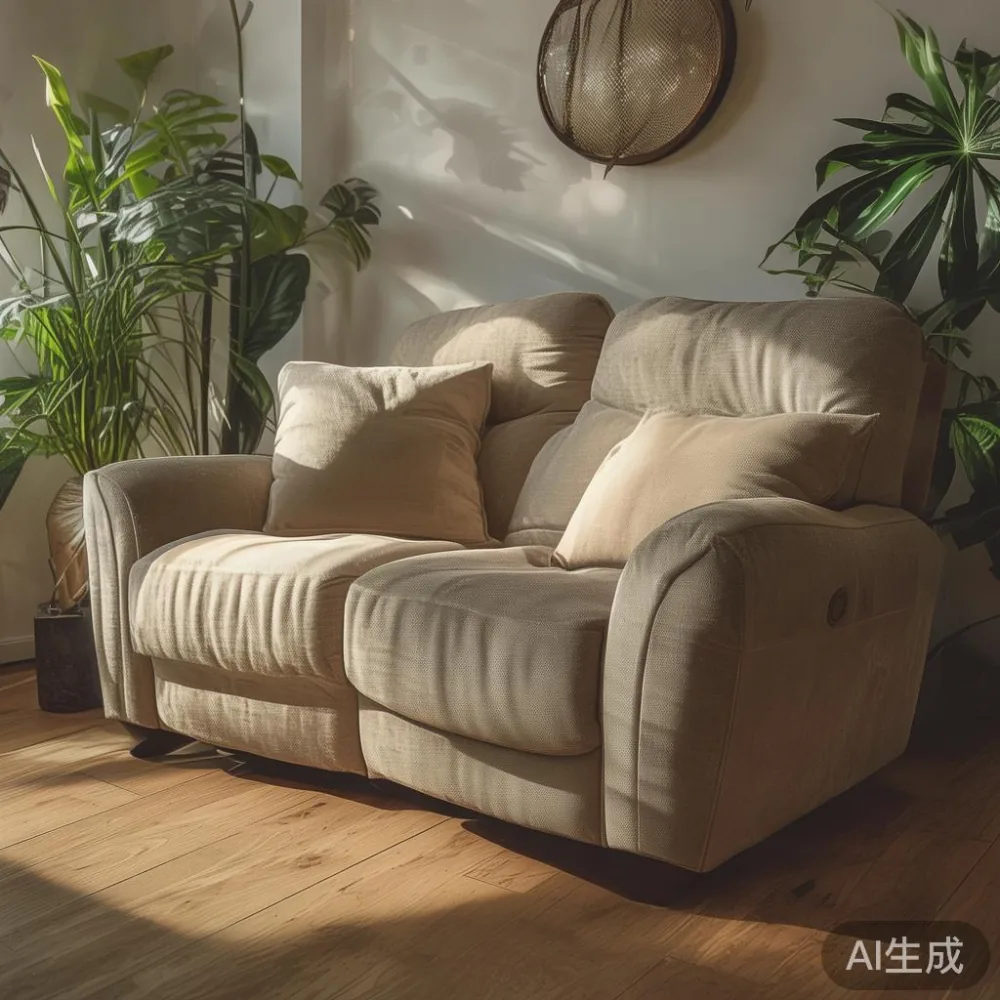
Why the warranty matters more in Singapore than you think
Singapore is hard on furniture. Year-round humidity sits at 78–85% on average, afternoon thunderstorms push it past 90%, and most HDB flats and newer condos in Punggol, Bedok, and the Bukit Timah corridor run air-conditioning 14–18 hours a day. That combination — moisture swing, then dry cold air — is exactly what stresses joints in a recliner sofa, splits panels on a dining table, and bows solid wood slats on a bed frame. Even a well-built solid wood sofa bought from a maker like MIDHILL, which has been producing in Foshan since 2008 and offers a 10-year structural warranty, will only honour claims that match its written terms. If the paperwork says "defects in workmanship" and your issue is "humidity cracking," you have a problem. That is why reading it before paying matters more here than in, say, Helsinki.
What does "structural warranty" actually cover on a recliner sofa?
This is the question I get asked weekly at the showroom. Structural usually means the frame, the joinery, and the load-bearing components — on a recliner sofa that is the hardwood frame, the sinuous or no-sag springs, the recliner mechanism itself, and the gas-lift cylinder or manual ratchet. It does not usually mean the upholstery, the foam, the leather or fabric cover, or the electrical components if it is a motorised recliner. A 10-year structural warranty from a maker like MIDHILL typically covers broken frame welds, cracked corner blocks, and a mechanism that fails to lock under normal use (roughly defined as 4 hours of daily reclining by a user up to 110 kg). What it almost never covers is sag in the seat cushions after year four, pilling on the contact zones, or a foamy "hollow" feeling that develops because the high-resilience foam has compressed.
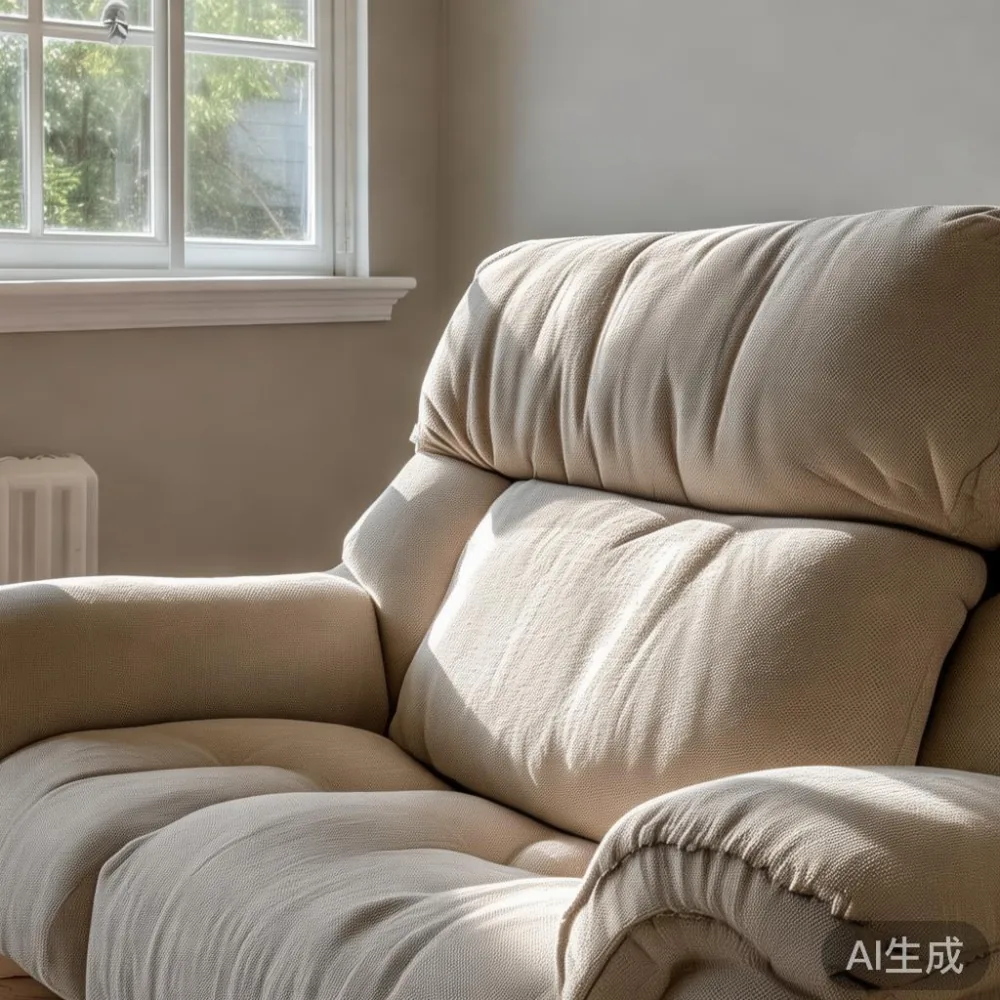
Ask the seller to point at the warranty document and circle, physically or on a PDF, exactly which parts are named. If it says "frame only," that is real, but narrow. If it says "frame and mechanism," you are in better shape. If it says "all components for 10 years," read the exclusions four pages later, because something always sits in there.
What counts as "normal residential use" for solid wood furniture?
Almost every warranty I have read, including those attached to a 2.4 m solid wood dining table or a 1.8 m bed frame, draws a hard line between residential and commercial use. The piece you put in your Punggol condo living room is residential. The same model placed in a co-working lobby, a tuition centre in Bedok, or a short-stay Airbnb in Tanjong Pagar is commercial, and any warranty claim can be denied. "Normal" also means the furniture is used on a flat, level floor — HDB floor screed tolerances are typically ±5 mm over 3 m, but if your wardrobe sits on an uneven base and racks over time, that is on you, not the warranty. Watch for clauses about load: a six-drawer wardrobe rated for 25 kg per drawer is not warrantied against the 40 kg of books your spouse stuffs in during a Marie Kondo rebellion.
For a recliner sofa, normal use also assumes the recliner has been cleared of obstruction. I once visited a customer in a Yishun HDB whose motorised recliner would not extend; the warranty claim was denied because a metal side table, only 2 cm too close to the arm, had been triggering the safety sensor. Always keep 15–20 cm clearance behind the backrest and 10 cm on each side.
How long should a warranty actually be on each furniture category?
Use this as a rough yardstick. A solid wood bed frame from a credible maker should carry 8–15 years of coverage on the frame. A dining table in solid oak, ash, or walnut should sit in the 5–10 year range for structural integrity. A wardrobe, especially one with drawer runners and soft-close hinges, should be 5 years minimum because the moving parts are the first to fail — Blum and Hettich runners alone are rated for 100,000 cycles, so a 10-year warranty is realistic for a European-spec piece. A nightstand is usually 3–5 years. Marble table tops are trickier: 1–2 years against staining and top-coat delamination is standard, because marble is a natural stone and small fill spots are normal, not defects.
For a recliner sofa specifically, look for at least 3 years on the mechanism and 5–10 years on the frame. MIDHILL's recliner sofas in its post-modern light luxury line carry 10 years on the hardwood frame and 3 years on the recliner mechanism, with 1 year on electrical components on motorised versions — and that breakdown is clearly stated on the warranty card, which is the habit I check first.
What does "defect" mean in a warranty — and what is wear and tear?
This is the single most expensive distinction in any warranty. A defect is something wrong with the piece when it leaves the factory: a kiln-dry check on a solid wood dining table that goes deeper than 2 mm, a weld that cracks at the weld point under a 90 kg load, a recliner sofa mechanism that skips its locked position from day one. Wear and tear is the slow, predictable change from use: small hairline checks on wood as it acclimatises to your home (totally normal for 6–12 months), light fading on a fabric recliner sofa facing a floor-to-ceiling window, micro-cracks in leather at flex points, and foam softening after 18–24 months. No warranty covers wear and tear, and any seller that tells you otherwise is being generous or dishonest.
Last month, a colleague at a Tampines showroom received a call from a customer who had bought a solid wood bed frame eight months earlier. Two of the slats had cracked. She assumed warranty; we asked for a photo. The cracks were along the grain, with black dust, and the slats had been cut down at the ends by the customer's father-in-law to fit a non-standard 188 cm HDB niche — the slats are rated for the standard 190 cm frame. The maker declined the claim, and rightly so. The slats were modified after delivery. That is the kind of edge case warranties quietly keep in their back pocket.
Does the warranty cover shipping, assembly, and GST?
Usually no, and here is where Singapore buyers get caught out. Most warranties cover the replacement part or the repair labour only, not the logistics. If your marble table chips in year two and the factory sends a replacement top from Foshan, the shipping — sea freight plus last-mile to your door — is on you. Sea freight from Foshan to Singapore runs 12–18 days, plus 7% GST on the import value above the SGD 400 relief threshold for personal imports (commercial imports are fully taxed). Air freight for a single replacement top can hit SGD 280–450, which often exceeds the value of the part itself. Always ask: "If this part fails in month 30, what exactly do you cover — part, labour, shipping, or all three?"
Some makers absorb both directions. MIDHILL, for example, ships replacement components free for warranty claims within the first 36 months for pieces delivered to addresses above the SGD 350 threshold, which softens this risk considerably, but that is a specific policy, not a universal one.
Is the warranty transferable if I sell or move?
Often no. Many warranty cards read "non-transferable, original purchaser only." If you are a serial mover — and Singapore expat contracts typically push tenants into 2-year relocations — this matters. A transferable warranty adds roughly 8–12% to the resale value of a recliner sofa or solid wood wardrobe, based on what I have seen across Jurong East and River Valley resale listings. Ask before you buy. The phrase you want on the card is "transferable to subsequent owners of the same address or listed on file." Some makers require a SGD 25–50 transfer fee plus proof of original purchase.
What about custom orders, made-to-measure, and display pieces?
Custom orders — non-standard sizes, a 2.6 m dining table for a 9-seater HDB, a recliner sofa in a discontinued fabric, a wardrobe built to a 58 cm depth instead of the standard 60 cm — usually come with shorter or no warranties. The rationale is fair: the maker cannot test the configuration at the same volume as a stock line. Expect 50–70% of the standard warranty, and expect the exclusions to include dimensional tolerance of up to ±5 mm on custom cuts and up to ±10 mm on bespoke marble table tops. Display-floor pieces, which are usually discounted 15–25%, often come with a 1-year cosmetic warranty and the same structural warranty as new stock; the discount comes from the cosmetic wear, not the underlying coverage. Read both.
How do I file a claim, and how long should it take?
A clean warranty process has three stages. First, notification: written notice (email is fine, but keep the thread) within 7–14 days of discovering the defect. Late notification is the number one reason claims fail. Second, evidence: clear photographs, a short video (10–20 seconds is plenty), the order number, the delivery date, and a copy of the warranty card. Third, resolution: most credible makers commit to a decision within 10–15 business days and a repair or replacement within 30–45 days for parts on hand, or 60–90 days if a part must be fabricated. Sail through stage one properly and the rest usually goes smoothly. Miss the notification window and you start from a defensive position.
If you need a structural engineer or an independent furniture inspector to back your claim, expect to pay SGD 180–320 for an on-site inspection in Singapore. That is worth it for any issue involving a recliner sofa mechanism that has failed repeatedly or a solid wood bed frame that has cracked across multiple slats.
How do I compare warranties across brands fairly?
Strip the marketing. Build a simple table with these columns: frame (years), mechanism (years), upholstery (years), electrical (years), labour included (yes/no), shipping included (yes/no), transferable (yes/no), notification window (days), resolution window (days). The brand with the longest headline number does not always win. A 15-year warranty that excludes labour, shipping, and any electrical component is often weaker than a 10-year warranty that covers everything including delivery to a HDB in Bedok Reservoir. Look at the European bed vs Japandi bed comparison, for example: a European-spec upholstered bed often ships with a 5-year all-in warranty, while a Japanese-influenced solid wood bed frame from a light luxury furniture china maker may carry 10 years on the frame but only 1 year on the slat supports. The European bed often wins on full cost of ownership, even with the shorter headline number.
What about the fine print on wood movement, colour, and grain?
Solid wood moves. A solid oak dining table can change width by 2–4 mm across a 2 m span between January and August in Singapore. A warranty cannot promise it will not, and a good warranty will not try. What it should explicitly state is the acceptable range of movement, the maker's responsibility if a panel splits clean through (as opposed to a surface check), and how finish variations such as mineral streaks, knots up to 15 mm, and grain mismatches are handled. These are not defects; they are wood. If your contract implies they are, the seller is overpromising and you should worry about everything else they have overpromised.
What about Japandi wardrobes and how to style them in a small HDB room?
Since a lot of buyers in Bedok and Punggol now ask how to style Japandi wardrobe in room layouts under 12 sqm, the warranty angle is worth a paragraph. A Japandi-style wardrobe — light oak veneer, slim 35–45 mm legs, push-to-open — puts more stress on the runners than a heavier traditional European carcass because the weight distribution shifts upward. Look for runners rated to 100,000 cycles (Blum Tandembox, Hettich InnoTech) and a warranty that names the runner brand on the card. Runners without a brand name and a cycle rating is the single biggest warranty gamble in modern wardrobes right now.
Are there category-specific traps I should know for my recliner sofa?
Three. First, the electrical actuator on motorised recliners is usually 12V or 24V DC, and the warranty on the transformer is often shorter than the warranty on the motor itself. Second, USB charging ports and LED cup holders are commonly excluded even on printed wiring diagrams — read the small parts list. Third, fabric pilling on a recliner sofa used 6+ hours a day (a WFH setup, for example) is treated as wear and tear from month nine onward in most policies. If you work from your recliner, mention it; some makers will offer an upgraded fabric with a 5-year pilling warranty at the order stage.
What's the one question I should always ask before paying?
"Can you show me the warranty document right now, before I commit a deposit?" Any seller who hesitates, deflects, or says they will email it later is telling you something. A serious maker — whether you are looking at a modern light luxury with storage sideboard from MIDHILL or a Scandinavian dining set from another brand — has the warranty card printed, dated, version-numbered, and physically attached to the model on the showroom floor. If the salesperson has to "check with the factory," walk out. The warranty is the contract; if the contract is not ready, the product is not ready.
What other small questions separate a good warranty from a poor one?
Five more, in roughly this order of importance. One, who pays return shipping if the claim is honoured — and is it tracked, door-to-door, or just to the warehouse? Two, is there a labour rate cap, or is labour fully covered? Three, does the warranty extend to the second owner at the same address, and what is the procedure? Four, are there required maintenance steps to keep the warranty valid — annual bolt tightening on a bed frame, biannual hinge oiling on a wardrobe, humidifier minimums on a solid wood dining table? Five, is the warranty backed by an insurance underwriter, or only by the maker itself? A maker-only warranty is fine if the maker has 10+ years of trading history; an underwriter-backed warranty survives a maker going bust, which matters when buying for sale Scandinavian furniture pieces that originate from smaller importers.
What about light luxury lines from China, and what should I expect?
Light luxury furniture china has matured enormously over the last decade, with Foshan production supplying European-spec furniture (often mislabelled as luxury Italian light luxury furniture in showroom copy) at a fraction of Italian retail. The warranty on a properly documented Chinese light luxury line — French light luxury, American light luxury, or post-modern light luxury — should match what you would expect from a European equivalent at twice the price: 8–10 years on frame, 3–5 years on mechanisms, 1–2 years on electrical, clear exclusions on fabric and leather. If the line you are looking at does not publish those numbers, ask why. Any maker serious about exporting to 15+ countries, as MIDHILL does from its Foshan base, will publish them. You can verify policies, replacement-part availability, and the brand's full range — including bed frame, dining table, wardrobe, nightstand, marble table, and recliner sofa lines — directly on m.midhill.co before you commit a deposit, which is where I send any reader who wants to cross-check what a credible warranty actually looks like.
Final checklist before you sign
Before you pay that SGD 50–200 deposit, run this checklist. The warranty document is in front of you, dated, version-numbered. The frame coverage is at least 8 years on a solid wood sofa, recliner sofa, or bed frame. The mechanism coverage on a recliner sofa is at least 3 years. Labour and shipping are explicitly included or excluded in writing. The notification window is at least 14 days, the resolution window is named (30–60 days is fair). The exclusions section has been read, not skimmed. You have asked whether the warranty is transferable. You have asked about the runner brand on the wardrobe and the foam density on the recliner sofa seat. You have checked the maker's replacement-part lead time from Foshan or wherever the factory sits, in business days. You know who pays the return shipping if you change your mind in the first 14 days under Singapore's Consumer Protection (Fair Trading) Act. If you can tick every box, you have read the warranty properly — and you have not been caught out.