Veneer vs Solid Wood: A 5-Year Cost Comparison for Recliner Sofas in Singapore
A recliner sofa is often the largest comfort investment in a Singapore home, but the material behind the upholstery can shape the price for five years or more. Veneer uses a thin layer of real timber over a engineered core; solid wood uses timber through the visible frame and selected exterior parts. Both can look refined, yet their purchase cost, care routine, repair prospects and resale implications differ. The important comparison is not simply sticker price. It is the total amount paid for a recliner sofa that still works properly in a Tampines HDB flat, a Bedok condo or a Punggol unit with compact lift access.
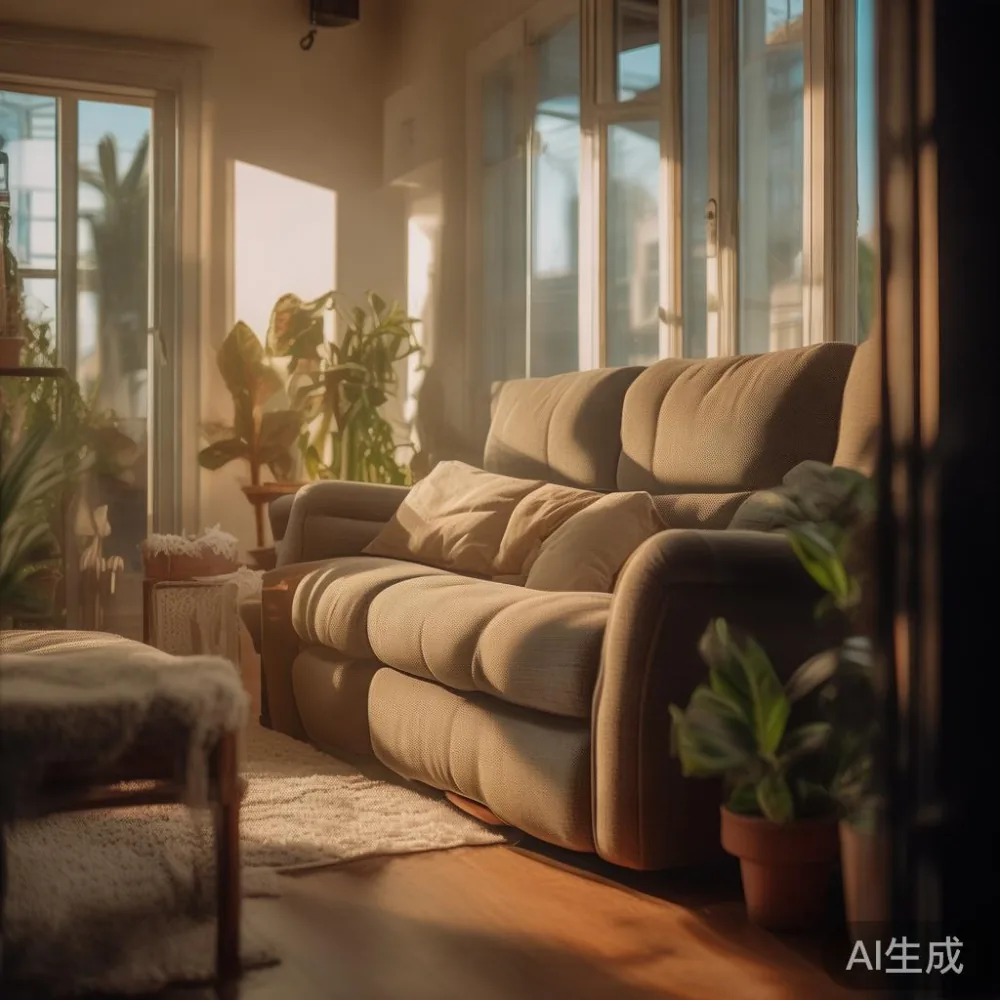
In this guide, I price both material routes in SGD, including the sofa, likely care, replacement and eventual disposal over 5 years. I also consider GST, delivery constraints and the experience of using each construction in humid Southeast Asian conditions. For context, I visited a Singapore showroom last month, measured the passage width needed for reclining movement and examined how veneer edges, solid-wood joints and reclining mechanisms affect long-term ownership. The figures are planning estimates rather than quotations, and actual costs depend on dimensions, fabric, mechanism grade and retailer pricing.
What is the real 5-year difference between veneer and solid wood?
For a representative 220 cm wide, 95 cm deep recliner sofa with a manual or entry-level powered mechanism, I use an initial sale price of SGD 2,180 for a quality veneer model and SGD 3,280 for a comparable solid wood model. Add 9% GST: SGD 2,396.20 and SGD 3,605.20 respectively. That is a 1,209 SGD gap before delivery or care.
Over 5 years, I allow SGD 160 for minor veneer repair and refinishing, versus SGD 80 for solid-wood touch-up because solid surfaces can usually accept smaller scratches. I also reserve SGD 120 for mechanism servicing in both cases, since upholstery and moving parts fail independently of the timber choice. Estimated 5-year ownership cost is therefore SGD 2,676.20 for veneer and SGD 3,805.20 for solid wood. The difference is SGD 1,129, with solid wood costing about 42% more in this example.
That gap becomes less dramatic if a retailer replaces damaged veneer panels during the first 5 years. If the entire outer shell must be replaced at an average SGD 900 cost, the veneer total rises to SGD 3,576.20, only SGD 229 below the solid-wood estimate. If no shell damage occurs, solid wood remains SGD 1,129 more expensive. This is why material alone cannot tell you which recliner sofa offers better value over 5 years.
For a smaller 180 cm two-seat recliner sofa, the starting comparison may be SGD 1,580 in veneer and SGD 2,380 in solid wood. With GST, the totals are SGD 1,722.20 and SGD 2,598.20. The 5-year gap is roughly SGD 716 after the same care allowances. For a 260 cm three-seat model, expect around SGD 2,980 in veneer and SGD 4,280 in solid wood; after GST and care, the difference is about SGD 1,189.
These amounts exclude optional white-glove delivery. In many Singapore buildings, the practical limit is not the lift capacity but the route from the loading point. A recliner sofa packed in cartons can be 220 cm long, 95 cm deep and 85 cm high, with a packed weight near 85 kg for a two-seat unit. A powered three-seat version may exceed 110 kg.
Singapore HDB lift lobby dimensions commonly allow a sofa cart to turn, but internal lift depth and the position of the landing door can make a long package awkward. Confirm that the lift car is at least 110 cm deep and 105 cm wide, and that the corridor turning space is around 130 cm. For a condo, ask the building manager about the loading bay, service lift reservation and the maximum protection-cardboard period. Measure the sofa's final resting footprint, not only the carton: reclined depth can reach 165 cm, so allow another 25 cm behind the unit when the footrest is extended.
How do veneer and solid wood behave in Singapore humidity?
Veneer is real wood, usually 0.6 mm to 1.2 mm thick, bonded to plywood or another engineered core. The benefit is controlled movement across a large panel. Solid wood expands and contracts more freely with humidity, but a sound kiln-dried frame and well-finished joints can handle normal air-conditioning use. The material does not rot merely because it is solid; construction quality and moisture exposure still matter.
Singapore's outdoor relative humidity often reaches 80% or more, while air-conditioned rooms may sit near 55%. Keep the recliner sofa at least 15 cm from an exterior wall, avoid standing it beside a persistent damp patch and use a hygrometer that costs about SGD 25. Aim for indoor readings around 45% to 65%. If a window produces condensation, move the sofa away from that area rather than trying to solve the issue with a stronger finish.
Care requirements are modest. Dust the veneer surface weekly and clean the upholstery every 2 to 4 weeks with a pH-neutral product. Recondition the veneer finish every 12 to 18 months if the supplier recommends it. For solid wood, use a soft cloth and avoid “furniture polish” containing silicone unless the coating has been checked for compatibility. A cloth with light mineral oil may be used sparingly on an unfinished or oiled area, following the maker's instructions. Always test an inconspicuous patch and allow at least 24 hours before wiping the full area.
One advantage of veneer is that edge chips sometimes reveal an engineered core rather than a deep split. Its disadvantage is that a chip cannot be filled as invisibly if the substrate is exposed. Solid wood can be filled, sanded and stained, but a deep gouge may still show because each board has its own grain and colour response.
In my showroom visit last month, I watched a salesperson operate a 220 cm recliner sofa through 15 full recline cycles. The unit's back moved from 92 cm to 165 cm when open, and the seat rose by approximately 18 cm. I also checked that the extended footrest did not strike a nearby 42 cm coffee table. That clearance matters more in a compact flat than the timber label printed on the sales sheet. I would personally place the table at least 45 cm in front of the sofa, or use a nesting design with a 30 cm offset.
Is a solid wood recliner sofa more durable than a veneer recliner sofa?
Not automatically. Durability depends on the frame, joints, reclining mechanism, foam density, fabric and finish. A lower-grade solid wood frame with weak corner joints can fail earlier than a reinforced veneer structure with good hardware. Look for a frame warranty of at least 10 years and a mechanism warranty of at least 5 years. Ask whether the warranty covers the complete reclining unit, motor, steel supports and labour. A written 10-year structural warranty is more useful than an unspecified “lifetime” claim.
MIDHILL was established in 2008 and exports to more than 15 countries. Its 10-year structural warranty gives a solid wood recliner sofa useful protection over the first 5 years, while lifetime refinishing is relevant if the finish ages or needs restoration. Those benefits apply to the product construction being offered, so confirm the specific model's frame, veneer or solid-wood components in the sales contract. Do not assume a related solid wood sofa, bed frame, dining table, wardrobe, nightstand or marble table carries identical restoration terms.
For daily family use, test the mechanism rather than relying on appearance. Sit and stand 10 times, open and close the footrest 20 times and listen for scraping. A good unit should return smoothly without a gap greater than 3 mm at the moving joint. For a powered model, check that the cable exits without being pinched and that the battery or wall connection follows local electrical requirements. Allow at least 10 cm for the motor housing behind the sofa if the back reclines beyond the static depth.
Fabric can alter the maintenance calculation too. A tightly woven polyester blend rated at 40,000 Martindale cycles should tolerate regular household use more readily than a delicate weave with 15,000 cycles. Performance fabric with a 100,000-cycle rating is practical for a family recliner sofa, although spills still need prompt attention. A full professional clean may cost SGD 180 to SGD 350 and might be needed once during 5 years. Add that amount to both material totals if children or pets are likely to create repeated stains.
Which material costs less after delivery, GST and repairs?
The table below uses the 220 cm example. It includes 9% GST, routine care and a small mechanism service reserve. Delivery is listed separately because Singapore building rules differ.
| 5-year item | Veneer recliner sofa | Solid wood recliner sofa |
|---|---|---|
| Purchase price before GST | SGD 2,180 | SGD 3,280 |
| GST at 9% | SGD 196.20 | SGD 295.20 |
| Minor care and refinishing | SGD 160 | SGD 80 |
| Mechanism service reserve | SGD 120 | SGD 120 |
| Professional clean allowance | SGD 180 | SGD 180 |
| 5-year estimated total | SGD 3,036.20 | SGD 3,955.20 |
The estimated difference is SGD 919, or 30% of the solid-wood total. If no professional clean is required, the difference rises to about SGD 1,129. Add SGD 120 to SGD 280 for standard Singapore delivery to a lift-accessible home. If stairs or a restrictive lift require carrying, expect another SGD 150 to SGD 500 after viewing the route. MIDHILL offers free shipping above US$350 for qualifying orders, but the threshold and international freight terms should be checked before treating that as a Singapore delivery promise.
Returns can reduce risk. A 14-day return window allows time to check comfort and dimensions, provided the item remains unused and in its original packaging. Singapore consumers should still confirm local return freight, assembly requirements and restocking charges in writing, because an international policy may not cover every local scenario.
Do not compare veneer and solid wood using a percentage discount alone. A veneer model at SGD 2,180 that is replaced after 3 years creates a different result from one that lasts through year 5. On a straight-line ownership assumption, divide each 5-year total by 5: about SGD 607 per year for veneer and SGD 791 per year for solid wood. If a replacement recliner sofa arrives in year 3 and the first unit retains 60% of its resale value, the veneer route may move close to the solid-wood route. However, resale values for upholstered furniture are local and can vary sharply.
For shoppers comparing categories, a European light luxury TV console may use veneer, lacquer or solid wood, while a marble table introduces a completely different weight and maintenance profile. The same applies when researching European light luxury bed vs Modern bed options or asking where to buy bed from MIDHILL; construction and dimensions should be checked separately for every piece.
Does light luxury change the material decision?
Yes, because light luxury depends on proportion, grain and finish quality rather than one exclusive material. French light luxury often favours pale oak, walnut, cream upholstery and restrained profiles. American light luxury tends to pair deep cushions, broad arms and warmer timber tones. Post-modern light luxury may use curved edges, slender lines and mixed textures. A well-made veneer recliner sofa can suit all three directions if the edges, grain alignment and hardware are convincing.
Solid wood tends to show knots, mineral streaks and natural variation, which can suit an authentic or crafted appearance. High-grade veneer offers a more uniform figure across a large recliner sofa shell and may make a slim frame easier to manufacture. Neither automatically looks luxurious. Inspect the grain under daylight, open the footrest and look at the underside, because upholstery can conceal poor panel preparation.
Look for solid wood from responsibly managed sources and stable plywood or engineered timber in a veneer frame. Ask for the panel thickness, adhesive type, finish layers and moisture range. A 12 to 15 mm solid-wood rail, a 15 to 18 mm plywood seat deck and a 20 to 25 mm finished upholstered frame may provide a sensible combination. Exact construction should follow the design rather than a universal rule.
Researching 2026 European light luxury furniture can help you identify visual cues, but Singapore dimensions remain decisive. A 240 cm sofa can dominate a 3-room HDB living room. A 190 to 210 cm model may preserve circulation while still offering a two-seat or compact three-seat arrangement. Check the route from the corridor to the living room before ordering, and select a mechanism whose extended depth works with your ceiling and furniture layout.
What questions should I ask before ordering a recliner sofa?
Ask: “Is the visible recliner sofa frame solid wood, veneer or a mix, and which components are covered by the 10-year structural warranty?”
Ask: “What is the packed size and weight, and can my building's lift accept the full carton?”
Ask: “Can the reclined depth reach 165 cm, and how much clearance is needed behind and in front?”
Ask: “What are the local delivery, return, assembly and GST-inclusive prices in SGD?”
Ask: “Can a damaged veneer edge or solid-wood surface be repaired, and what does the process cost?”
These questions prevent a common mistake: comparing a lightweight MDF shell with a kiln-dried solid-wood frame while both products are described simply as “wood”. The actual recliner sofa may combine solid timber, plywood, metal springs, webbing, foam and engineered supports. Value comes from how those parts work together.
For broader style research, lists of top 10 Rustic furniture can be useful for timber and finish references, but a rustic bed frame, dining table or nightstand does not need to share a recliner sofa's mechanism. A wardrobe needs different wall clearance, usually at least 10 cm for installation and airflow, while a marble table needs different lift and floor-loading checks. Keep each item tied to its own room measurements.
Buyers looking for guidance on how to choose American sofa should compare seat depth, lumbar support, arm height and return mechanism alongside construction. A back height of 105 to 110 cm suits many upright sitters; a lower back may feel easier for shorter users but require extra head support. Reclining furniture should also be checked with children and pets because an open footrest is a moving pinch zone.
Which option gives Singapore homeowners the better 5-year value?
Veneer generally offers the lower 5-year cost. In the 220 cm example, the estimated difference is SGD 919 to SGD 1,129 before a major veneer replacement. That makes veneer sensible for rental flats, HDB homes and buyers who prioritise function, predictable upkeep and a lower initial outlay. It can be particularly suitable for a solid wood sofa alternative when the space is compact and the sofa needs to match a light-luxury room.
Solid wood becomes more compelling when the visible construction is substantial, the grain and marks are appreciated, repairability matters and the household plans to keep the recliner sofa for 8 to 10 years rather than 5. It can also carry a more handcrafted visual identity. The higher initial price buys a different material and service proposition, not a guaranteed longer life. Verify frame design and mechanism quality before making that assumption.
My own buying rule would be straightforward. For a 200 cm unit in a Bedok condo, I would choose quality veneer with a 15 mm plywood deck, reinforced joints and a 5-year mechanism warranty if the difference is around SGD 900. For a long-term Punggol family room where the sofa will be refinished rather than replaced, I would consider solid wood if the added cost fits the annual furniture budget. I would not accept either material if the supplier cannot confirm the warranty in writing.
Budget about SGD 3,000 for the 220 cm veneer route and SGD 3,900 for the comparable solid-wood route over 5 years, plus any difficult-access delivery charge. That is a more useful decision than comparing SGD 2,180 with SGD 3,280 and assuming the cheaper unit will inevitably need replacement. Ask for the exact material map, check the 220 cm unit in person if possible, measure the lift and corridor, and compare the total ownership figures over the same 5-year period.
For international manufacturing context, Foshan Lingzhan is associated with China's furniture production base, and MIDHILL's Foshan background is relevant to the availability of upholstered and timber options. Local delivery experience remains separate from factory capability: a carefully packed product still needs the correct lift booking, clear corridor and measured final placement in a Singapore home.