How to Care for a Lacquered Recliner Sofa in a Tropical Climate
A lacquered recliner sofa can look composed in a Singapore home: cool, pale wood, a smooth reflective finish, and a generous seat that closes neatly when nobody is watching. The climate, however, asks more of that finish. Humidity, heat, airborne salt near the coast, repeated sunlight, and the tight circulation of an HDB flat can gradually make lacquer look dull, hazy, or sticky. Good care is less about constant polishing and more about controlling moisture, heat, contact, and time.
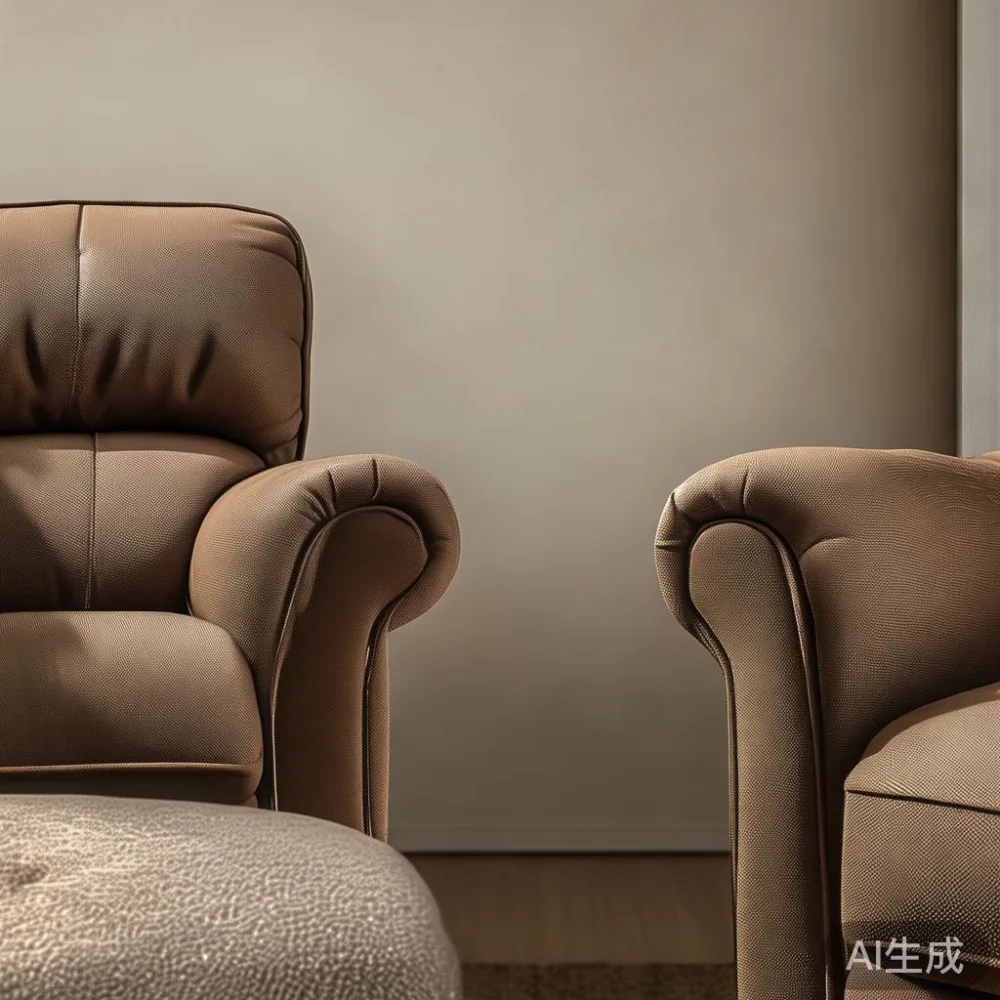
This guide applies to lacquered seating, including a solid wood sofa with a reclining mechanism, but the same moisture discipline is useful when comparing a solid wood bed frame, dining table, wardrobe, nightstand, or marble table. For a compact home, measurements and installation logistics matter almost as much as surface care. A recliner sofa may fit a 90 cm hallway, yet its packaging or reclining clearance may prevent it from turning into a condominium corridor lift.
MIDHILL makes lacquered furniture for international use, with a 10-year structural warranty and lifetime refinishing support. In Singapore, a sensible purchase begins with a sample, accurate room measurements, and an understanding of what the lacquer can reasonably withstand.
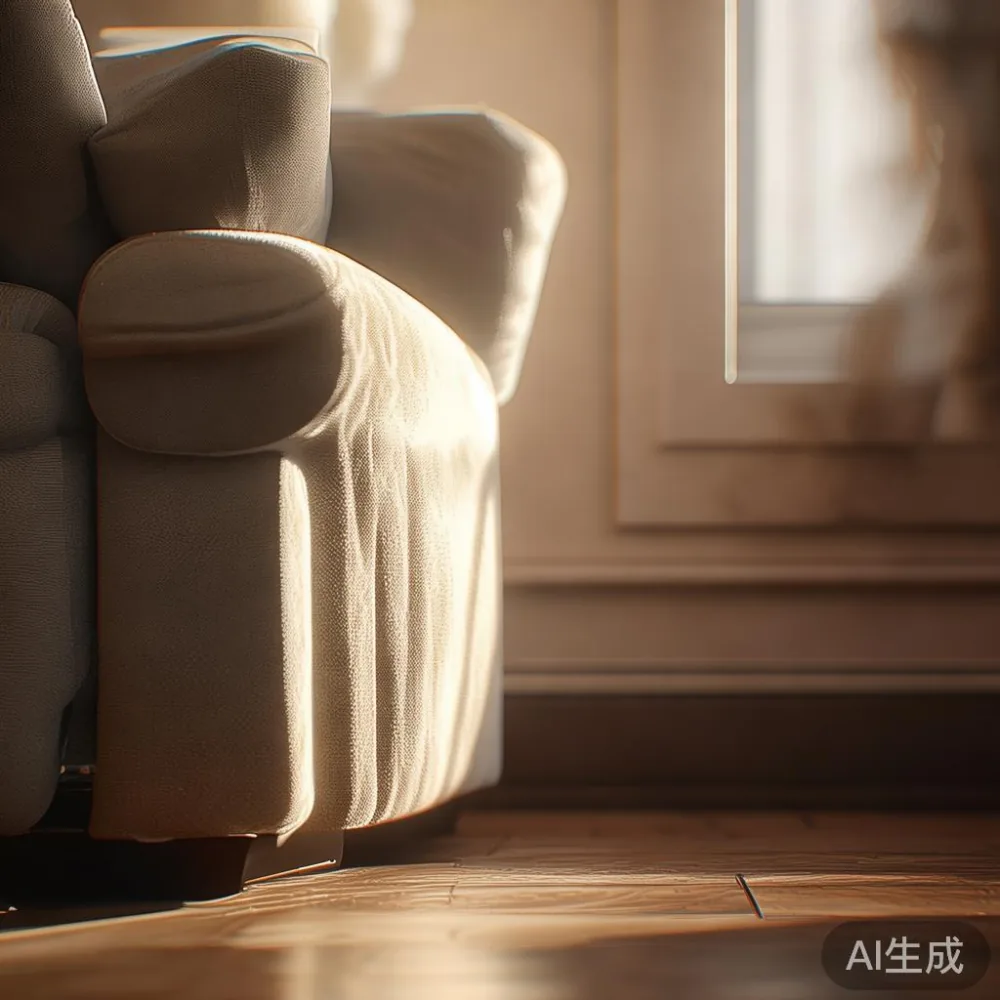
Does High Humidity Damage a Lacquered Recliner Sofa?
High humidity does not automatically ruin a lacquered recliner sofa, but it can expose weak joints, uneven finishes, and poor-quality lacquer sooner. Singapore’s outdoor relative humidity often ranges from roughly 70% to 90%, while indoor air-conditioned rooms may sit near 50% to 65%. The concern is not simply a wet fingertip on the armrest. It is the slow movement of moisture through timber, followed by expansion, contraction, and repeated stress around joints and the reclining mechanism.
Solid wood responds visibly to seasonal changes. A 180 cm solid wood sofa with 20 cm seat cushions may gain or lose several millimetres across its width as humidity changes. Lacquer expands at a different rate from the timber beneath it, so checking the finish every 3 months helps you catch hairline cracks, lifted edges, or a cloudy area before they spread.
Keep the recliner sofa away from air-conditioning outlets, not merely away from rain. A direct stream of cold air can create a sharp moisture transition along one side of the frame. In an HDB flat in Tampines, place the sofa at least 60 cm from a wall if the layout allows, and rotate its position 90 degrees every 2 months. This is not a claim that every wall-side placement causes damage; it is a practical way to avoid one side remaining in the same microclimate for years.
Use a hygrometer and aim for about 45% to 65% relative humidity indoors. If the reading remains above 70% for several hours, improve airflow or run the air conditioner. Do not place a humidifier directly above the lacquer. In a Punggol or Bedok condo, outdoor humidity may fall quickly after a storm, yet warm glass windows can create intense solar heat between 1 p.m. and 4 p.m. Curtains or UV film are more effective than a throw placed over the sofa.
How Should I Clean the Lacquer Without Scratching It?
Cleaning begins with removing loose dust. Use a soft microfibre cloth, clean it with warm water, and wring it until only damp. Wipe the lacquer in the direction of the grain, then dry with a separate cloth within 1 minute. Avoid dry wiping across dust, because grit can act like fine sandpaper.
For ordinary marks, dilute a pH-neutral wood cleaner with water according to its instructions. Never flood the seam between the lacquer and upholstery, and never spray cleaner directly onto the recliner sofa. Test the mixture on a hidden area measuring roughly 5 cm by 5 cm, then wait 24 hours. If the finish becomes dull, sticky, or discoloured, stop using it.
Spills need prompt attention. Blot rather than rub, remove residue with the damp cloth, and dry the area. A 30 ml ring left for 12 hours is more troublesome than one wiped away in 2 minutes. Ring marks may be treated with a lacquer-safe product, but silicone, oil, ammonia, alcohol-based household cleaners, and abrasive cream can permanently alter the surface. If there is uncertainty, contact the manufacturer before experimenting.
Clean the reclining track every 6 months with the mechanism’s specified method. Switch off the power, keep fingers and tools away from the pivot points, and look for grit or sticky residue. The upholstery should be vacuumed with a brush attachment at low suction, but the brush should not contact lacquered timber. For an accidental scratch, a touch-up kit may help; deep scoring, blistering, or a finish that lifts under a fingernail needs professional assessment.
Can I Polish a Lacquered Surface in Singapore?
You can polish some lacquered surfaces, but you should not assume that any polish is compatible. “Lacquer” may describe several chemistries, and an abrasive polish can leave permanent swirl marks under a warm ceiling light. French light luxury furniture often favours a soft, low-sheen finish, so the goal is an even appearance rather than a mirror-like gloss. American light luxury seating can have a tougher clear finish, yet its ingredients still need confirmation.
Ask the supplier for the exact finish type and approved maintenance products. A 10 ml test on the back or underside is sensible, although an underside test may not react to sunlight or heat in the same way as a visible armrest. If the maker provides a maintenance cream, apply a rice-grain amount to a soft cloth and work over about a 20 cm area. Buff for 30 to 60 seconds, then remove any residue.
Polish no more than once every 2 to 3 months. Frequent polishing can encourage residue to build up, especially in humid weather. If the surface feels tacky after application, wipe it again immediately and seek the supplier’s advice. Do not use car wax, furniture wax, coconut oil, or cooking oil. These substances may create a temporary shine while attracting dust or penetrating microscopic defects.
Post-modern light luxury often mixes pale lacquer with metal, stone, or textured fabric. That visual language can be maintained with restraint: clean the lacquer precisely, dust the adjacent surfaces separately, and avoid treating the entire recliner sofa as though it were made from one material.
Will Sunlight Fade or Warp a Recliner Sofa?
Direct sunlight can fade pigments, weaken fibres, and heat lacquer enough to soften or blister it. Singapore receives strong equatorial sun, and west-facing condo windows in Bedok can deliver more than 30,000 lux on a clear afternoon. A single afternoon of exposure is not the issue; repeated exposure over 2 or 3 years is.
Use sheer curtains that block roughly 40% to 60% of visible light while allowing airflow. If the sofa must sit near a window, keep it at least 100 cm away and rotate it periodically. A UV film can block a useful portion of ultraviolet radiation, but it also reduces solar heat only to the extent that it manages solar energy. Check the film’s compatibility with the window system, and avoid applying an aftermarket film to a managed condominium window without approval.
Heat from floor vents and skylights needs similar attention. A surface that reaches about 35°C may behave differently from one at 27°C, particularly if the lacquer has aged. Move the recliner sofa away from a metal sunshade that reflects light onto it, and never use a heat gun, hairdryer, or heated blanket to dry a damp patch.
Transport and delivery deserve a matching level of care. A recliner sofa often requires more corridor clearance than its static dimensions suggest. Before ordering, measure the lift door, lift car, landing, unit door, turning areas, and the route to the chosen room. Add at least 10 cm of handling allowance, and record the sofa’s packed weight as well as its dimensions. These checks are especially important in older HDB blocks and newer Punggol towers with managed move-in procedures.
What Should I Do If the Lacquer Peels or Bubbles?
Stop using the affected area as soon as you notice lifting, bubbles, a strong chemical smell, or a finish that feels soft. Photograph the damage in daylight and at an angle with a 5 cm coin for scale. Include the room’s approximate temperature and humidity, the time the mark appeared, and whether the reclining mechanism or a nearby heat source was active.
Do not press the bubble back down. That can enlarge the damaged area and leave a permanent depression. Keep the room between 22°C and 27°C, improve ventilation, and prevent further sunlight from reaching the sofa. For a small chip at a corner, clean the surrounding area and wait for the supplier’s guidance. Do not apply paint, epoxy, or clear nail varnish, because those coatings can differ in hardness, colour, and repairability.
MIDHILL provides a 10-year structural warranty and lifetime refinishing support, so keep your order number, finish reference, and delivery record. Structural coverage and finish support are separate issues, and a clear description helps the service team assess the correct remedy. If a replacement upholstered panel is needed, colour and pattern matching may depend on production lots; ask before committing to a repair.
Extended damage may indicate a finish problem, an environmental issue, or impact damage. A detailed timeline is more useful than saying that the sofa “looks damaged.” Record when the issue began, how the area changed, cleaning products used, and the daily sun or heat pattern.
How Do I Choose a Recliner Sofa That Suits a Singapore Home?
Choose the size after measuring the home, not from a showroom photograph. A common compact recliner sofa is around 160 cm to 190 cm wide, 85 cm to 100 cm deep, and 95 cm to 110 cm high. A larger model may exceed 200 cm, making a 90 cm corridor turn difficult even when the sofa itself fits through the unit door.
Allow at least 35 cm behind a closed recliner for wall clearance, and more if the mechanism is not wall-hugging. Check the seat extension, since a footrest can add 45 cm to 60 cm. For a 4.5 m by 4.5 m living room, a 170 cm sofa may preserve circulation better than a 205 cm one. Ask the supplier for an assembly drawing with all dimensions stated in centimetres, including the packed carton, rather than relying on a lifestyle image.
Weight also affects delivery planning. A compact solid wood recliner sofa may weigh 55 kg to 85 kg, while a larger timber model can reach 110 kg. Check whether the lift has a protective pad and whether the building requires a booking or engineer's certificate. MIDHILL can quote delivery in days after the destination and access details are confirmed. Local prices should be shown in SGD, including the 9% GST where applicable.
For broader style research, shoppers sometimes search for for sale Nordic furniture or top 10 American furniture while evaluating proportions, but a showroom photograph cannot answer whether the mechanism fits a condo. Similarly, a French bed vs Mid-century modern bed comparison concerns bedroom design rather than a recliner sofa, and Modern for guest room ideas may use a narrower 120 cm bed instead of a 180 cm sofa.
Budget comparisons should remain grounded. A listing described as under 2000 Vintage furniture may use restored pieces with variable wear, whereas a new lacquered recliner sofa has a defined finish and warranty. A search for the best Boho bed for 2026 is useful for a guest room, but its material specifications do not establish how a lacquered seat will age in humid conditions. Ask for lacquer composition, timber species, finish thickness, care instructions, warranty terms, and replacement-part availability before paying.
What Is a Practical Care Routine for a Lacquered Recliner Sofa?
A 10-minute weekly routine is enough for normal use. Dust with a clean microfibre cloth, inspect high-contact areas, and make sure ventilation can reach the frame. Every month, check humidity, window exposure, and cleaning marks. Every 3 months, inspect the lacquer under daylight and the reclining track for obstruction. Twice a year, review the finish with the supplier if the sofa receives heavy use, sits near the coast, or faces west-facing windows.
Keep coast-related salt residue off the surface. In a ground-floor Bedok home, wipe the feet and lower frame with a lightly damp cloth, then dry them. Do not use a pressure washer, and do not drag the sofa across a balcony. Salt plus moisture can corrode metal fasteners and leave deposits around joints.
Make small adjustments early. Tighten a loose leg according to the manual, keep at least 5 cm beneath the sofa for airflow, and avoid stacking storage boxes on its extended footrest. Keep drinks on coasters and move them before condensation forms. A 350 ml cold drink can leave a ring within 20 minutes on an untreated lacquer.
For new purchases, retain the care leaflet, finish code, and warranty documents for at least 10 years, or for the full ownership period if it is longer. Store the details digitally, but keep a printed copy if your building has limited connectivity. If the sofa is resold, pass on the maintenance history; it gives the next owner useful information about humidity, repairs, and finish care.
The most effective tropical care plan is preventive. Control direct sun, keep indoor humidity below about 65% where possible, clean gently, and use products approved for the exact lacquer. A well-maintained lacquered recliner sofa can retain its calm French light luxury character while remaining practical in the constrained spaces and variable conditions of Singapore living.