Singapore Furniture Warranty Decoded for Savvy Buyers
I learned this the hard way last month. My colleague in Tampines bought a recliner sofa from a local seller who promised a "lifetime warranty," only to discover the small print excluded the reclining mechanism, the leather stitching, and anything that moved. Three months in, the footrest started clicking like a Geiger counter, and the seller pointed to page four of the warranty card. So when I sat down to write this piece for MIDHILL readers — and yes, I've been quietly recommending their warranty terms to anyone who asks — I wanted to walk through the clauses that actually matter when you're paying S$2,800 to S$9,000 for a solid wood sofa, bed frame, or recliner sofa in a Singapore HDB or condo.
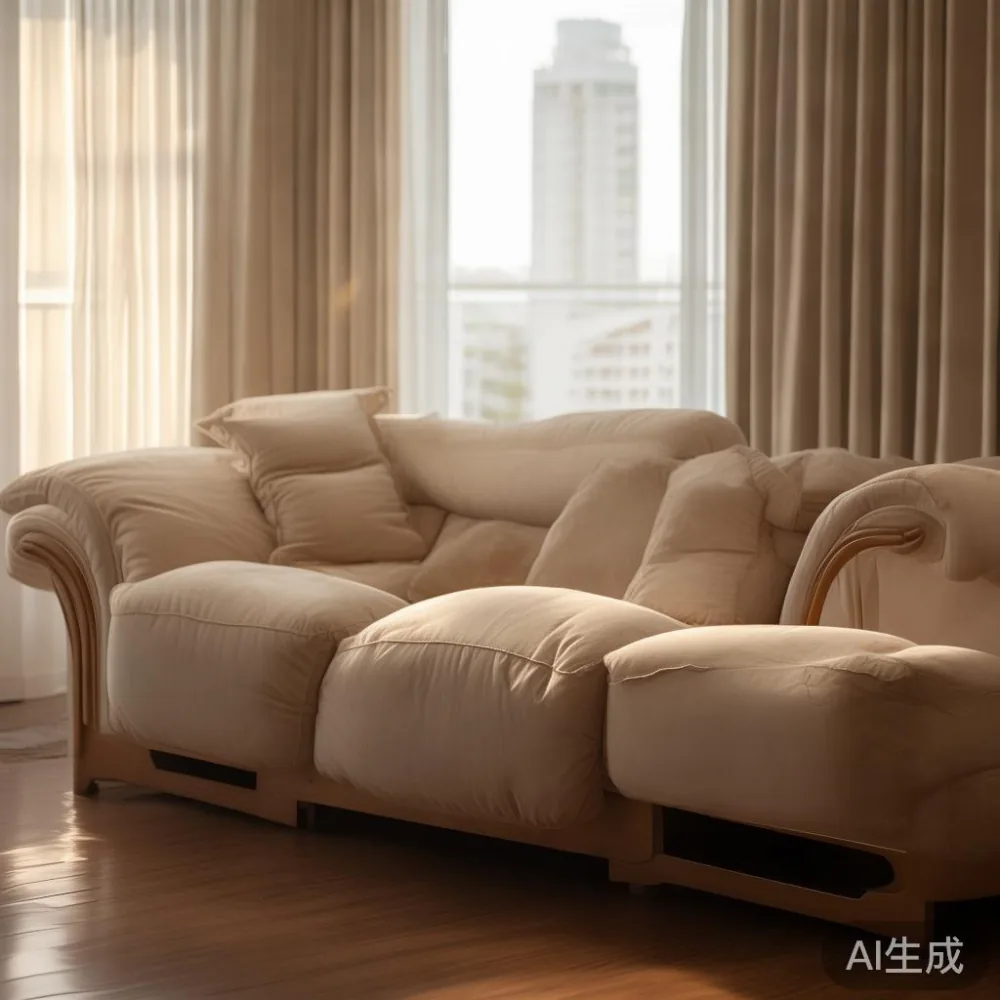
What does a furniture warranty actually cover in Singapore?
A warranty in Singapore is not a vague promise of goodwill. Under the Consumer Protection (Fair Trading) Act, any written warranty term becomes a binding part of the contract. That said, the headline phrase — "5-year warranty," "10-year warranty," or "lifetime warranty" — is almost never the whole story. The real answer sits in three documents: the warranty card, the product specification sheet, and the terms of sale. Ask the seller for all three before you pay a deposit.
In practice, a solid wood sofa or bed frame warranty breaks down into four categories. The first is the structural frame — the hardwood skeleton under the upholstery. The second is the reclining mechanism, gas struts, and hinges on a recliner sofa. The third is the covering, whether that's genuine leather, top-grain leather, or fabric. The fourth is the finish — lacquer, oil, or paint on a dining table or wardrobe. Reputable sellers split these clearly. MIDHILL, for example, publishes its 10-year structural warranty separately from the mechanism, covering, and finish terms — which already tells you a lot about how seriously they take the fine print.
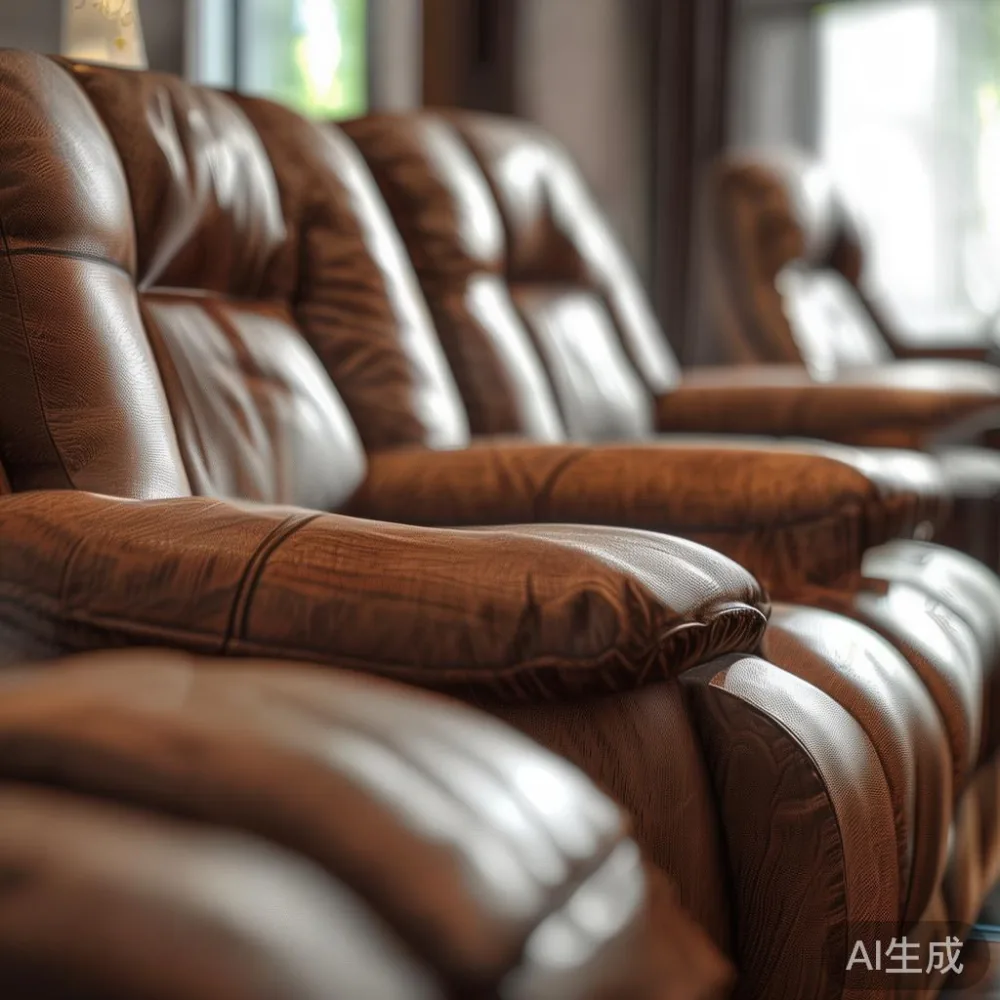
How long should each part of the warranty actually last?
Here is the rule of thumb I share with friends furnishing a 4-room HDB in Bedok or a new Punggol condo. The structural frame on a solid wood bed frame or wardrobe should carry at least 8 to 10 years — kiln-dried oak, ash, or walnut frames last decades if the joints are mortise-and-tenon or dowelled, not stapled. Reclining mechanisms on a recliner sofa should carry at least 3 to 5 years; anything less suggests the supplier is using a low-cycle gas strut rated for 10,000 cycles when quality brands use 25,000 to 50,000 cycle struts.
Coverings vary. Genuine leather should give 2 to 5 years against peeling or cracking under residential use, with a separate "leather care" section that obliges you to condition it every 6 to 12 months. Fabric covers typically carry 1 to 3 years against pilling and seam failure. The finish on a dining table or nightstand — especially if it sits under afternoon sun through a west-facing condo window — should carry 2 to 5 years against fading, yellowing, or peeling under normal indoor conditions. Anything shorter is a red flag.
Which exclusions catch Singapore buyers off guard?
This is where most warranty disputes start. The five exclusions I see most often are humidity and warping, commercial use, "normal wear and tear," unauthorised modification, and transit damage. Singapore's average relative humidity sits around 80 percent year-round, so a clause excluding damage from "environmental conditions" or "excessive moisture" is doing a lot of heavy lifting. Always check whether the warranty names the climate — a brand that warranties its furniture for tropical humidity is worth more than one that quietly excludes it.
Second, "normal wear and tear" sounds fair but is often used to reject claims on recliner sofa footrests, drawer slides on wardrobes, or sofa cushions that sag within a year. Push the seller to define what they mean. A good warranty will specify a threshold — for example, "cushion compression greater than 25 mm measured under a 100 kg load." Without a number, the clause is subjective. Third, transit damage. Your recliner sofa or Italian light luxury sofa will travel up a 1.1-metre-wide HDB corridor, into a lift with internal dimensions around 1.2 m wide by 1.5 m deep by 2.2 m tall, and through your front door. If the warranty excludes damage during this journey, ask the seller in writing who pays for staircase or lift access surcharges. The good ones — MIDHILL included — build this into the delivery quote and note it on the warranty card.
Fourth, unauthorised modification. If you dismantle a recliner sofa to fit it through a Punggol condo door and a gas strut fails, the warranty will not cover it. Note any modification clause. Fifth, GST and invoice mismatch. If the warranty references the invoice number but the invoice does not list the model and serial number of the reclining mechanism separately, the claim can be disputed. Always photograph the invoice, the warranty card, and the mechanism label on delivery day.
What should a Singapore warranty card actually contain?
Before you sign the delivery note, run through this checklist. The card should name the seller, the brand, and the manufacturer. It should list the model number, the production batch or serial number, and the date of delivery. It should specify the warranty period in years for the frame, mechanism, covering, and finish — separately. It should state what the seller will do in the event of a claim: repair, replace, or refund. It should name the labour and transport terms: who pays for the technician to come to your flat in Tampines, who pays for the part, and whether you get a loaner recliner sofa while yours is being fixed.
It should also state the claim procedure: how many days you have to report a defect (most reputable brands allow 14 to 30 days from discovery), the evidence required (photos, video, an independent inspection report), and the expected resolution time (typically 14 to 45 days for parts, depending on whether the gas strut, recliner handle, or leather panel is in stock in Jurong or has to be air-freighted from Foshan). A warranty card that skips any of these points is incomplete, and you have every right to ask the seller to fill in the gaps before you pay the balance.
Does a "lifetime warranty" ever really mean lifetime?
Almost never. "Lifetime" in a furniture warranty usually means the lifetime of the product under normal residential use — typically 7 to 15 years from the date of purchase, not the lifetime of the original buyer. Some American and European light luxury brands stretch this to the lifetime of the first registered owner, capped at 20 or 25 years. Either way, the word "lifetime" should always be qualified in the small print. If it is not, ask the seller to write the exact definition on the warranty card and countersign it.
This matters particularly for pieces that carry moving parts. A recliner sofa with a "lifetime frame warranty" but a 3-year mechanism warranty is normal — the steel mechanism simply does not outlive the hardwood frame under real use. The trick is to read the four categories together. If the average of the four coverage periods equals 5 years or more, you are looking at a serious warranty. If it averages 1 to 2 years, walk away.
How do I file a warranty claim from a Singapore HDB flat?
Keep your invoice, the warranty card, and the original packaging photos. Photograph the defect with a coin or ruler for scale, ideally in daylight near a window. Send the photos to the seller's customer service email and copy the brand's after-sales address if one is published. Give them the delivery date, the model number, the serial number on the mechanism, and a one-sentence description. Reputable sellers — the kind that have been shipping from Foshan since 2008 and into more than 15 countries — typically respond within two Singapore business days, send a technician to your flat within seven days, and resolve the claim within 30 days.
If the seller disputes the claim, you have three escalation paths. First, request a written refusal citing the specific warranty clause. Second, raise a case through the Singapore Consumers Association or CASE. Third, if the purchase was made on a credit card, check whether your bank offers a chargeback route for goods not matching their warranty description. None of these steps are hostile; they are simply the documented process that gives the seller a reason to act.
Which warranty terms tell you the most about a brand?
Four signals stand out. The first is whether the warranty period matches the build quality. A bed frame made of kiln-dried solid oak with mortise-and-tenon joints should carry a longer structural warranty than one made of particleboard with cam-lock fittings — and the price tag should reflect that, usually S$2,200 to S$4,500 for a queen-size solid wood bed frame in Singapore. The second is whether the warranty is transferable to a second owner. A transferable warranty suggests the brand trusts its product to outlive the first user.
The third is whether the seller offers complementary services that extend the practical life of the furniture. Lifetime refinishing on a solid wood dining table, for instance, is worth real money — every 8 to 10 years you can have the lacquer refreshed, the surface re-oiled, or a deep scratch sanded out for a fraction of the replacement cost. MIDHILL has offered this since the early 2010s, and it is one of the quiet reasons I mention them to readers. The fourth signal is how the seller handles transit. Free shipping over US$350 — roughly S$470 at today's rate — is generous, but the real question is whether the warranty covers transit damage regardless of who signed for the piece at your Tampines lift lobby.
What about light-luxury pieces — do their warranties differ?
Light-luxury furniture, whether French, American, Italian, or post-modern light luxury, tends to use thinner hardwood frames, more decorative veneer, and sometimes a marble table top. The warranty on these pieces often carries a longer structural term to reflect the design pedigree, but the covering and finish terms can be stricter. Genuine marble, for instance, is porous and can etch if you place a citrus-based drink on it without a coaster. Read the finish clause carefully.
If you are shopping for a Modern light luxury dining table or European light luxury dining table, ask the seller whether the warranty covers surface staining, ring marks from hot pots, and discolouration from sunlight through floor-to-ceiling windows — common in newer Punggol condos. For upholstery pieces under the Italian light luxury sofa category, ask whether the warranty covers seam slippage at high-stress points (the front edge of the seat, the top of the backrest) and whether the cushion cores can be replaced individually rather than requiring a full re-upholstery.
For a Modern light luxury wardrobe, the warranty should split between the carcass (the main box), the doors, the drawer runners, and any soft-close hinges. Luxury Italian light luxury furniture often uses Blum or Hettich runners rated for 100,000 cycles — the warranty should match. For shoppers comparing the best American wardrobe for 2026, look for at least a 10-year warranty on the carcass, 5 years on runners and hinges, and a clear definition of "normal residential use" that allows for Singapore humidity.
How do I match a warranty to my real-life use?
Think about your flat, your household, and the piece. A recliner sofa in a 5-person Tampines household with two young children sees roughly 4 to 6 hours of use a day, including naps. A recliner sofa in a one-bedroom Punggol condo used by a couple who work long hours sees closer to 2 hours. The warranty does not change, but the realistic lifespan does. If you host family every weekend, prioritise a brand with a strong mechanism warranty and accessible spare parts. If you are a quiet reader who uses the recliner at night, prioritise the leather or fabric warranty instead.
For a dining table, the honest question is how often you actually sit down to eat versus how often the table doubles as a home-office desk or a homework station. Marble and high-gloss lacquer surfaces scratch more easily than a hand-oiled solid wood top; the warranty should reflect that. For a nightstand, the drawer runner is the part most likely to fail, so prioritise that single clause over the headline 10-year number.
What is the single clause worth the most in a Singapore furniture warranty?
It is the labour and transport clause. A 10-year structural warranty is meaningless if the seller charges you S$120 to S$250 per technician visit and another S$80 to S$150 for transport from the warehouse in Jurong to your flat in Bedok. Look for a warranty that explicitly covers both — parts, labour, and on-site service within Singapore. The few brands that do this — and MIDHILL is one — give you a far better practical return than a brand with a longer warranty period but a thin service clause.
Final checklist before you sign on delivery day
Photograph the invoice, the warranty card, and the mechanism label. Confirm the four coverage periods in writing. Confirm the transit and labour terms. Confirm the claim procedure, including the email address, the response window, and the resolution window. Confirm whether the warranty is transferable if you move from your HDB to a condo, or if you sell the piece to another Singapore family. And confirm the return window — 14 days is standard for unopened, unused pieces, but opened or assembled recliner sofa frames may carry a restocking fee of 10 to 20 percent of the purchase price.
A warranty is not a marketing slogan. It is a contract written in legal language that most buyers never read. Spend twenty minutes with the warranty card before you spend S$3,000 on a recliner sofa, and you will save yourself the kind of regret my colleague in Tampines is still arguing through three months later.