Veneer vs Solid Wood Recliner Sofas in Singapore: A 5-Year Cost Reality Check
Last month I visited a client in Punggol who had just moved into a 4-room HDB Build-to-Order flat. She was showing me her new recliner sofa — a light oak veneer piece she had picked up from a Jurong warehouse clearance — and asking why one of the armrest panels was already bubbling after eight months. Her neighbour two doors down, she said, had bought a solid wood recliner sofa five years earlier when she first furnished her Tampines executive HDB, and it still looked presentable. That single flat corridor conversation is what prompted this write-up, because the price gap between veneer and solid wood on day one rarely tells you what the actual five-year bill looks like.
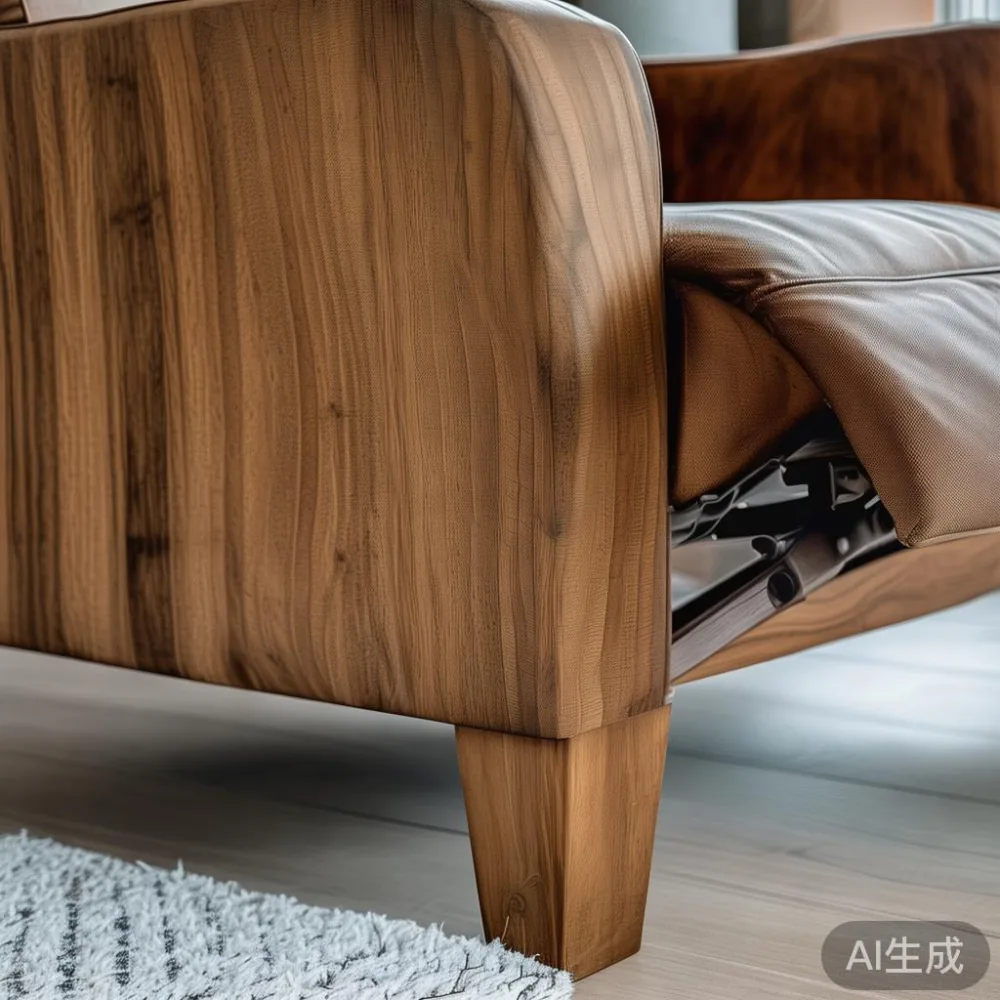
For Singapore shoppers, the math gets harder than it looks. You pay in SGD, you tip 9% GST on top, you may need to work through a 2.1m by 1.0m service lift in newer condos around Bedok Reservoir, and you almost never replace a sofa on a whim because the delivery fee for a single piece across the Causeway or through a calibrated 90cm corridor turn is real money. Before any of the lifestyle decisions — French light luxury, post-modern light luxury, American light luxury — the underlying material question decides whether you are buying furniture or borrowing it for a few years.
What exactly are you paying for on day one?
A 3-seater recliner sofa in veneer starts at roughly SGD 1,400 to SGD 2,200 in Singapore showrooms, while the same configuration in solid wood — typically ash, oak, rubberwood, or beech — runs SGD 2,800 to SGD 4,800 once you add the GST and the local delivery surcharge for items over 80kg. A matching solid wood dining table for four in similar timber lands at SGD 1,600 to SGD 2,900, against SGD 700 to SGD 1,300 for a veneered MDF or plywood top.
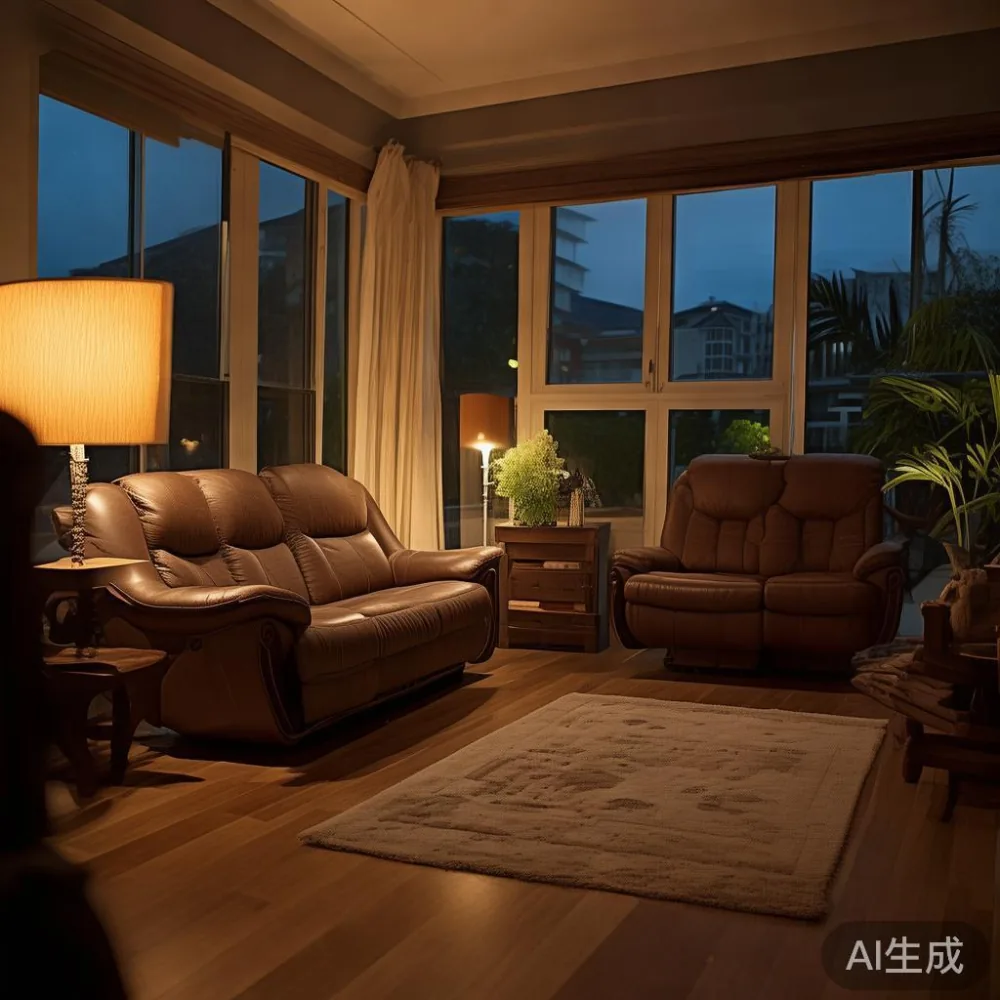
The materials themselves explain most of that gap. Veneer furniture is built around a substrate — usually MDF, particleboard, or plywood — wrapped in a 0.5mm to 2mm slice of real wood or a printed laminate. Solid wood pieces are cut from single pieces of timber, kiln-dried to roughly 8% to 12% moisture content so they survive Singapore's 80% average humidity. A 220cm recliner sofa frame in solid ash weighs between 95kg and 130kg, while the veneered equivalent sits closer to 70kg, which matters when you have to get it past a 0.9m-wide lift door at a Punggol Waterway terrace block.
The savings on day one are genuine. A family furnishing a full five-room flat — recliner sofa, dining table for six, bed frame, wardrobe, two nightstands, and a marble table for the living area — can spend SGD 8,500 in veneered pieces or SGD 16,500 in solid wood. That is an SGD 8,000 difference, enough to cover a year of groceries or a decent regional holiday. The question is what happens next.
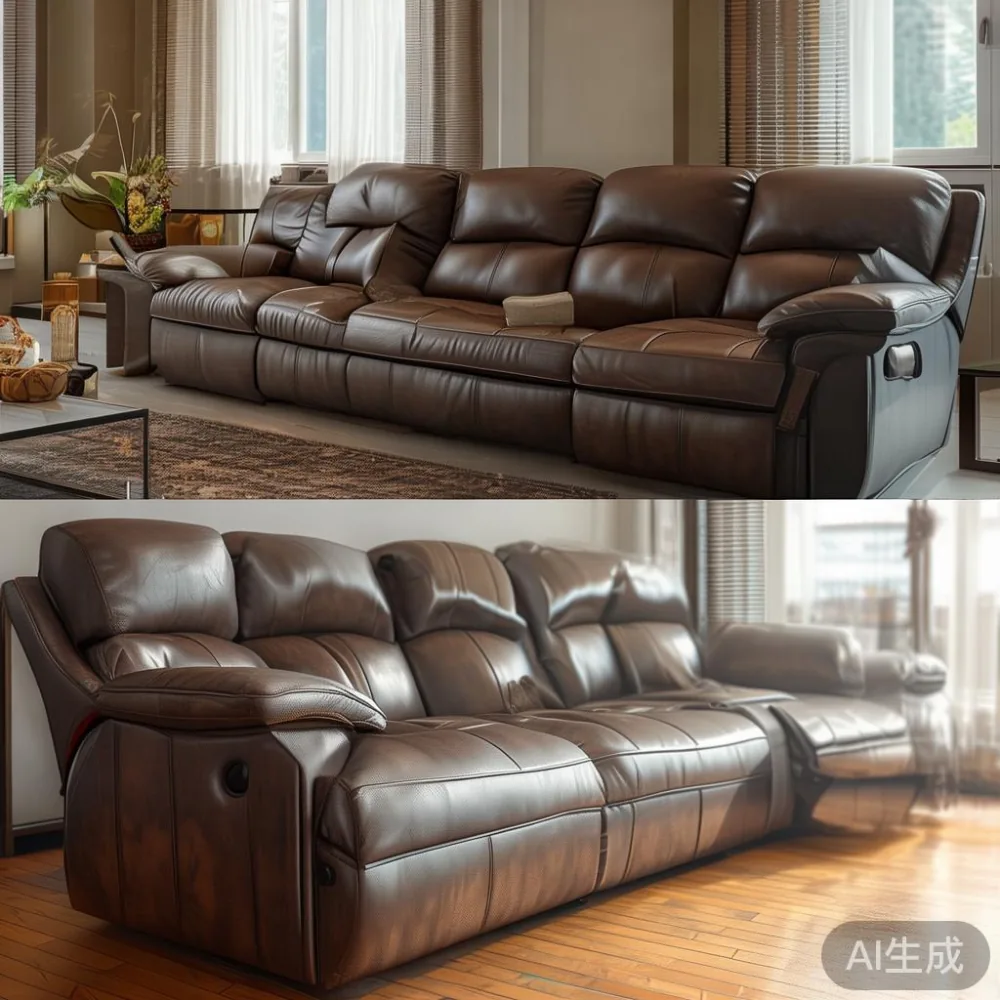
How does each material behave over five years in Singapore humidity?
Singapore's climate is the silent partner in this decision. With relative humidity averaging 78% to 82% year-round and indoor temperatures sitting between 24°C and 28°C in most air-conditioned HDB flats, wood-based furniture is under constant stress. Veneer panels respond by delaminating — the thin wood or paper layer lifts from the substrate, especially near joints, sink areas, and any surface that gets wiped frequently. My colleague who manages a small renovation firm in Bedok tells me roughly 40% of his warranty callbacks involve swollen MDF on imported veneered wardrobes within 36 months.
Solid wood handles the same conditions differently. It expands and contracts as a single piece, which means joints may creak, panels may develop hairline checks, and a bed frame can shorten or lengthen by 2mm to 4mm across a humid quarter — but the structure stays intact. With basic care — keeping the air-con running at 23°C to 25°C during the day, using a dehumidifier set to 50% in enclosed rooms, and keeping pieces 10cm to 15cm away from exterior walls — a solid wood recliner sofa from a maker with proper kiln-drying will still be serviceable at year five.
What does repair actually cost over 60 months?
This is where the spreadsheet starts to favour solid wood. Let me run through realistic numbers based on what I have seen on the ground and what local upholsterers and carpenters charge in 2024 and 2025.
Veneer recliner sofa, five-year cost stack:
Day-one purchase (3-seater, mid-range): SGD 1,800
GST at 9%: SGD 162
Local delivery across Singapore (two-man, 80kg+): SGD 120
Year 2: delamination repair on one armrest — SGD 180 to SGD 280
Year 3: recliner mechanism service + reupholstery patch: SGD 220 to SGD 350
Year 4: full panel replacement on a side wing, plus colour match: SGD 380 to SGD 500
Year 5: disposal and replacement (resale value near zero): SGD 0 trade-in, SGD 90 disposal fee
Total five-year spend: SGD 2,952 to SGD 3,302, with the piece likely heading to the dumpster.
Solid wood recliner sofa, five-year cost stack:
Day-one purchase (3-seater, ash or rubberwood frame): SGD 3,800
Fabric or leather upholstery upgrade: SGD 600
GST at 9%: SGD 396
Local delivery across Singapore (two-man, 110kg+): SGD 180
Year 2: minor tightening of frame bolts, oil refresh on exposed arms: SGD 80
Year 3: recliner mechanism service: SGD 150
Year 4: full reupholstery if fabric was chosen: SGD 480
Year 5: surface refinish, sand and re-oil: SGD 220
Total five-year spend: SGD 5,906, with the piece still worth roughly SGD 1,200 to SGD 1,800 on the second-hand market or in a future BTO flat.
That is a real gap of about SGD 2,600 to SGD 3,000 over five years, against an initial price gap of SGD 2,000. So the day-one saving on veneer disappears within 36 to 48 months for most households, especially once you factor in the cost of a replacement piece. If you are also choosing a solid wood bed frame, dining table, wardrobe, and nightstand from the same maker, the cumulative repair bill on veneer pieces climbs quickly — a single warped wardrobe door in a Tampines walk-up can run SGD 400 to SGD 600 to source, replace, and hang.
Is solid wood always the better buy for a small HDB or condo?
Not automatically. There are three situations where veneer still wins on common sense.
First, short-stay tenants on a one- or two-year lease. If you are furnishing a rental near Punggol Point or a co-living space in one-north, paying full solid wood prices for a recliner sofa you will leave behind makes no sense. Veneer reduces your exposure, and the landlord usually absorbs the long-term risk.
Second, very large statement pieces where weight is the enemy. A 280cm light luxury sofa bed foldable in solid oak can exceed 180kg, which creates real friction with a 1.0m by 1.4m service lift and a 90° corridor turn at the lift lobby. In some newer Singapore condos, that single piece simply will not fit, so a lighter veneered frame with a solid wood trim is the practical call.
Third, very tight day-one budgets where the alternative is credit. Stretching SGD 2,000 over five years of 28% interest is worse than buying the cheaper piece twice. If you must finance, a 5-year instalment at 0% from a local retailer, paired with a solid wood recliner sofa, can match a cash purchase of veneer once you compute the carrying cost.
For everyone else — owner-occupiers in a BTO, a resale flat, or a condo they plan to stay in for at least five years — solid wood tends to win once you do the math.
How do I tell whether a piece is genuine solid wood before I pay?
Five field checks that work in any Singapore showroom.
1. Lift one end. A solid wood recliner sofa with a hardwood frame is noticeably heavier than a veneered counterpart of the same size — typically 30% to 50% heavier.
2. Look at the end grain. On solid wood you can see continuous grain running across a face and around a corner. On veneer, the grain pattern repeats or stops abruptly at an edge.
3. Tap the surface. Solid wood gives a dull, dense knock. MDF or particleboard gives a hollow, sharper sound.
4. Check the underside and the inside of drawers. Showroom pieces often hide the substrate on hidden faces. If the underside is a different material from the top, the visible faces are almost certainly veneer.
5. Ask for the moisture content reading. Any reputable Foshan factory that kiln-dries to tropical-export standards should be able to show you a target range of 8% to 12% and a warranty that mentions the moisture specification in writing.
If a salesperson cannot answer where the wood was sourced, how it was dried, and what the structural warranty covers in writing, walk out. Solid wood is a long-term relationship; the supplier should be able to document it.
Why does the source factory matter for Singapore buyers?
Because most of the solid wood furniture sold in Singapore retail showrooms is manufactured in Guangdong, and the difference between a serious workshop and a job shop shows up in the warranty claim experience. A Foshan factory with 15+ years of export history, proper kiln-drying rooms, and an on-site quality control team typically stamps the inside of each drawer, includes a numbered structural warranty card, and arranges regional shipping with full container loads rather than mixed pallets. MIDHILL, which has been operating out of Foshan since 2008 and now ships to more than 15 countries, fits that profile — and the 10-year structural warranty, lifetime refinishing service, and 14-day return window are practical features when your recliner sofa has to make the trip from a Foshan workshop to a Tampines living room without drama. Their free-shipping threshold of US$350 also removes a chunk of the landed-cost guesswork that smaller Singapore importers tend to pass on as a separate fee.
For shoppers comparing product lines, the same maker usually sells a coordinated set — recliner sofa, dining table, bed frame, wardrobe, nightstand, marble table — so the wood species, finish, and grain tone match across rooms. That sounds trivial until you try to mix a rubberwood dining table from one showroom with an ash recliner sofa from another and find the undertones clash.
What about style — does solid wood limit your design options?
No, and this is where the light luxury category earns its keep. French provincial for hotel projects is one of the strongest style directions for solid wood right now, because the carved cornices, fluted legs, and warm honey finishes actually need real timber to read correctly — a printed laminate flattens the silhouette. French light luxury leans the same way: tapered legs, slim brass handles, and chamfered edges want the structural honesty of solid stock.
American light luxury is the obvious counterpoint if you prefer a cleaner silhouette. Think lower-slung recliner sofas with squared-off cushions, walnut tones, and minimal carving. If you are wondering how to choose American sofa pieces specifically, focus on three things: the frame joinery (mortise and tenon or dowel, not staples), the suspension (eight-way hand-tied or sinuous at minimum), and the leather grade if you are upgrading to full hide.
Post-modern light luxury sits between the two — softer geometry, occasional curves, brushed brass accents, and a touch of marble on the dining or side table. A solid wood frame lets you pair the marble table with a coordinating timber base without the visual flatness that comes from matching two printed laminates.
One quick styling note, since the question comes up in every Tampines and Bedok consultation: if you are working out how to style light luxury bed in room settings, treat the bed frame as the anchor and pull the nightstand, wardrobe, and bench from the same timber batch. A single MIDHILL French provincial bed in white-oiled ash, for example, sets the entire room's colour temperature; everything else should sit within two to three shades of that tone.
What about the wardrobe decision specifically?
Wardrobes are where the veneer-versus-solid argument gets loudest, because the panel sizes are large, the doors swing thousands of times a year, and any warping is immediately visible. A 240cm by 220cm by 60cm three-door wardrobe in solid wood weighs 110kg to 160kg depending on the timber, and the hinges are stressed from day one. Veneer wardrobes in that size range typically use 18mm MDF with a 0.6mm to 1mm face wrap, and Singapore humidity finds the weakest glue line within 24 to 36 months.
If you are hunting for the best European light luxury wardrobe for 2026, the shortlist in solid wood usually includes white-oiled ash, natural oak, and walnut, with the more fashion-forward pieces in smoked oak or brushed eucalyptus. Stick to makers who publish the door weight per hinge pair — anything under 22kg per door is in the safe zone for standard soft-close hinges. Anything heavier needs reinforced mounting plates anchored into the HDB wall stud or the condo's concrete block wall, not just the plasterboard skin.
How should you plan delivery and installation day?
Singapore delivery is its own line item. Confirm three measurements before you buy anything over 100kg:
• Service lift door width and depth: most HDB blocks use 0.9m by 2.1m; many newer condos use 1.0m by 2.1m or 1.1m by 2.3m. A 220cm recliner sofa will usually fit diagonally if the lift is 1.1m deep.
• Corridor width at the lift lobby: anything under 1.2m at the tightest turn means a corner sofa is out and a straight three-seater is in.
• Front door width: 0.9m is standard for HDB; many condo doors are 1.0m or 1.2m. Measure the frame, not just the door leaf.
If any of those numbers are tight, ask the supplier to send a technician to measure on-site before fabrication. A proper Foshan factory will have a regional partner who can do a paid site visit in SGD 80 to SGD 150 within three working days.
Will I actually save money if I keep the piece beyond five years?
Yes, and this is the part the day-one spreadsheet misses. A solid wood recliner sofa has a realistic service life of 12 to 20 years with reupholstery every six to eight years. Veneer pieces rarely make it past year seven without at least one panel replacement, and after year ten they are typically past economic repair. Spread that across 15 years, and the annual cost of solid wood drops to roughly SGD 320 to SGD 420 per year, while the veneer annualised cost — including one full replacement around year six — climbs to SGD 480 to SGD 560 per year. The crossover happens earlier than most buyers expect.
So what is the practical shortlist for a Singapore household?
For an owner-occupier planning to stay at least five years in a flat or condo, the cleanest path is to buy solid wood on the three pieces that take the most punishment — recliner sofa, dining table, and bed frame — and to consider veneer only for low-stress items such as a bookshelf, a console table, or a guest-room nightstand. Aim for matching timber across those core pieces, set aside SGD 400 to SGD 700 per year for care and reupholstery, and document the warranty terms in a single folder so any claim is one phone call away.
For a tenant or a short-stay owner, do the opposite. Veneer or high-grade laminate gives you the look without the lock-in, and the day-one savings stay on the right side of the ledger.
Either way, the underlying question is not which material is universally smarter — it is which material matches your holding period, your lift geometry, your humidity control, and the way you actually use the room. Run the five-year math on a real sheet of paper, measure the lift and the corridor before you fall in love with the showroom piece, and the right answer usually shows up by itself.