Solid Wood Costs: The Price Tag Breakdown in Singapore
When you walk into a furniture showroom or scroll through an online catalogue, the price difference between two seemingly similar recliner sofas can be staggering. One might be priced at SGD 1,500, while another commands SGD 4,000 or more. For consumers working through the market for designer light luxury furniture in Singapore, this discrepancy can be confusing. What makes one piece of furniture worth a significant investment over another? The answer lies not in a single factor, but in a complex interplay of material quality, craftsmanship, design, and logistics. This article will dissect the elements that truly determine the cost of solid wood furniture, helping you make informed decisions for your home, whether you live in a spacious Punggol condominium or a compact Bedok HDB flat.
Why Is Solid Wood Furniture So Expensive? The Material Foundation
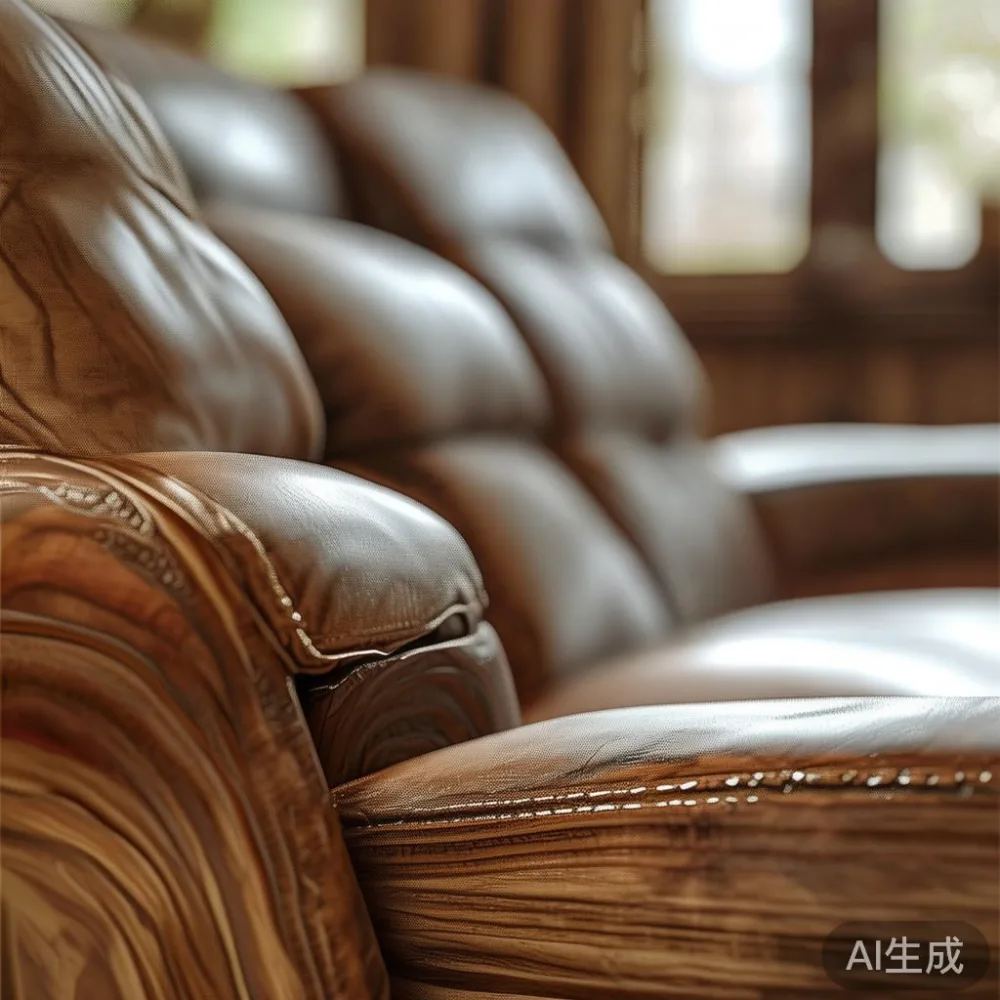
The foundation of any solid wood piece is, naturally, the wood itself. Not all wood is created equal, and the species chosen has a profound impact on the final price. Hardwoods like oak, walnut, and ash are denser and more durable than softwoods like pine or fir. A solid wood sofa frame constructed from American black walnut will cost significantly more than one made from Chinese fir. The price difference is tied to the tree's growth rate; walnut grows slowly, making the wood more valuable. For instance, a high-quality walnut dining table might cost SGD 3,500 to SGD 5,000, whereas a pine version of similar dimensions could be found for SGD 1,200 to SGD 1,800.
Another material consideration is the grade of the wood. Furniture is made from different 'grades' of lumber, which refer to the clarity and number of knots, grains, and natural imperfections. 'Clear' or 'Select' grade wood has a uniform appearance with minimal blemishes and is the most expensive. 'Common' grade wood, with more knots and colour variations, is more affordable. The choice of grade affects the aesthetic and the price. For example, a wardrobe with a clear oak front will command a higher price than one with a common oak finish, even if the internal structure is identical. The origin of the wood also plays a role; sustainably sourced European oak, often associated with French light luxury, carries a different price point and ethical connotation than wood from other regions.
Why Does Craftsmanship Cost So Much? The Human Element
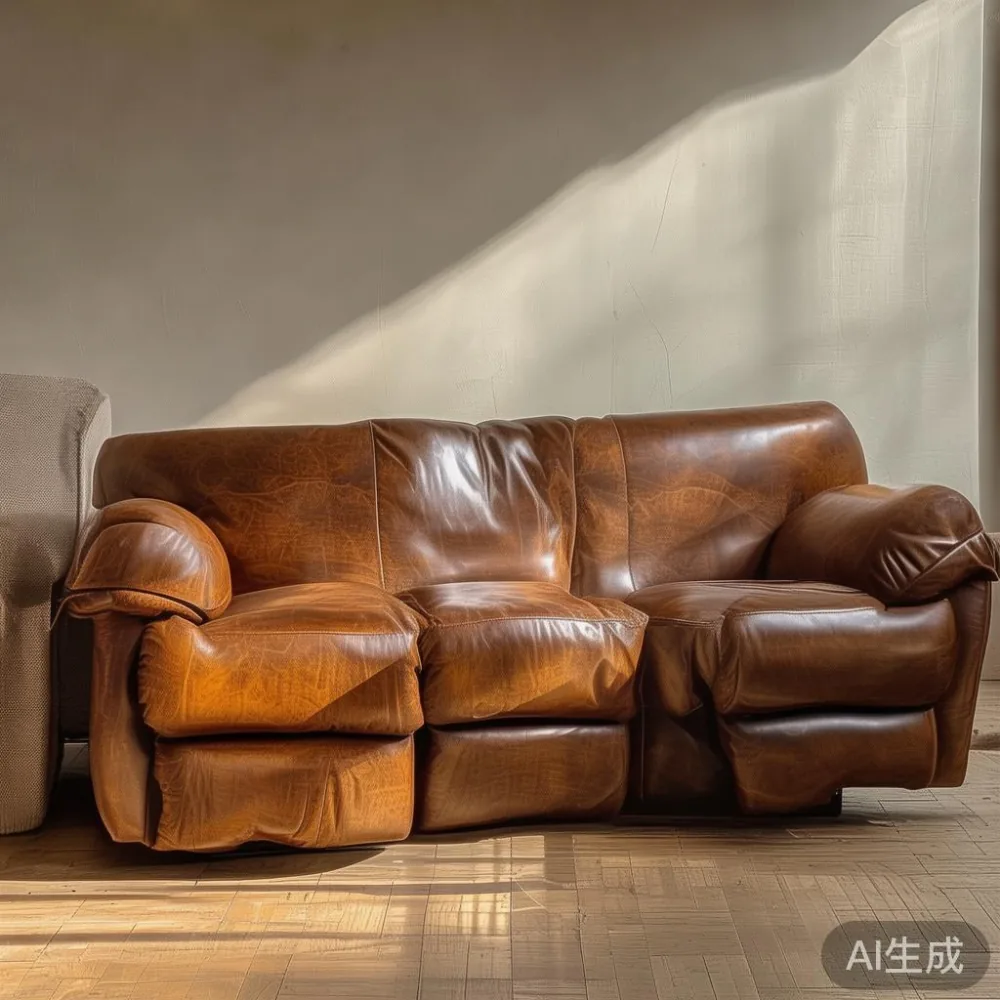
Once the raw material is selected, the hands that shape it come into play. This is where the true value of artisanal work is reflected. A recliner sofa is not a simple box; it is a complex mechanism of levers, springs, and cushions, all housed within a wooden frame. The quality of this construction is paramount. A skilled carpenter will use traditional joinery techniques like mortise and tenon or dovetail joints. These methods create strong, interlocking connections without relying on excessive glue or nails. A single hand-cut dovetail joint on a drawer can take a trained craftsman 15 to 20 minutes to execute perfectly. When you multiply that time across the dozens of joints in a bed frame or a dining table, the labour hours accumulate, directly influencing the price.
Last month, I visited a workshop in Foshan to understand this process. My colleague, a master upholsterer with over 15 years of experience, demonstrated the difference between a mass-produced sofa and a handcrafted one. He pointed out that the cheap sofa used a simple staple-gun assembly for its wooden frame, which would weaken over time. In contrast, the high-end piece he worked on used corner blocks glued and screwed into place for maximum reinforcement. He explained that this level of detail adds approximately 3 to 4 hours of skilled labour to the production time of a single recliner sofa. This is why a hand-finished piece can cost 2 to 3 times more than a factory-assembled one. The investment is in the longevity and structural integrity that skilled craftsmanship provides.

Design and Branding: The Value of Aesthetics
Design is an intangible but powerful driver of price. A simple, minimalist design might seem easier to produce, but a sophisticated, well-proportioned piece of furniture requires significant design expertise. The dimensions, the curve of an armrest, the angle of a backrest—these are all decisions made by a designer with a specific aesthetic vision. This is particularly relevant in the context of Singapore's living spaces. The average lift width in an HDB block is about 110 cm, and a standard corridor is about 120 cm wide. A recliner sofa that is 220 cm long will not fit through these spaces. Therefore, a well-designed piece for the Singapore market must be modular or come in easily assembled parts. This design consideration adds complexity and cost to the manufacturing process.
Branding also plays a significant role. A piece of furniture from a brand with a reputation for quality, like MIDHILL, will carry a price premium that reflects its established name. This premium is not just for marketing; it's an assurance of quality control, customer service, and after-sales support. When a customer pays for a MIDHILL dining table, they are also paying for the 10-year structural warranty and the lifetime refinishing service that comes with it. This peace of mind is a tangible part of the product's value. Also, furniture that aligns with a specific style trend, such as post-modern light luxury or Scandinavian design, will have a higher price point due to its desirability. For example, a marble table with a brushed brass base in a French-inspired design will be priced higher than a simple wooden table because it incorporates materials and aesthetics that are currently in high demand.
What About Logistics and Local Factors in Singapore?
The journey from a workshop in Foshan to a living room in Tampines involves several logistical steps, each adding to the final cost. The first is shipping. A single solid wood bed frame can weigh between 60 kg and 100 kg and requires a sturdy wooden crate for protection. Shipping a container of such furniture from China to Singapore costs tens of thousands of SGD, and this cost is distributed across the items in the container. This is why free shipping over SGD 350 is a significant value proposition; it removes a major expense for the consumer. The delivery process itself is also a factor. In Singapore, a professional delivery team will need to work through apartment corridors, use lifts, and sometimes dismantle a door to get a large piece of furniture inside. This labour-intensive delivery service is included in the price of premium furniture.
Local taxes and duties also directly affect the price. The Goods and Services Tax (GST) in Singapore is 9%. This means that the listed price of a piece of furniture already includes this 9% levy. A sofa listed at SGD 2,200 has a GST component of approximately SGD 181. This tax is non-negotiable and applies to all furniture sold in the country. Also, the cost of warehousing and showroom space in Singapore is high. A furniture brand needs to maintain a presence to allow customers to see and touch the products. This overhead cost is factored into the pricing strategy. For a consumer, understanding these local factors explains why a piece of furniture might seem expensive compared to its base manufacturing cost. You are paying for a complete service: from the factory floor to your doorstep, including all the necessary taxes and handling.
Is a More Expensive Recliner Sofa Always Better?
This is the most common question we hear from customers. The answer is nuanced. A more expensive recliner sofa is not automatically 'better,' but it is usually different in terms of materials, construction, and features. A lower-priced recliner sofa might be made with a softer wood, like pine, and use staples for its frame assembly. Its reclining mechanism might be a simple push-back style, which offers limited comfort. The cushions might use high-density foam that feels firm initially but may lose its shape within a few years. A higher-priced recliner sofa, on the other hand, is likely built with a hardwood frame, reinforced corner blocks, and a durable reclining mechanism with a metal lever. The cushions would probably be a combination of high-resilience foam and down-wrapped for both support and comfort. These differences are not just cosmetic; they affect the lifespan and daily usability of the furniture.
For a family in a Tampines HDB, a durable and easy-to-clean sofa might be the priority. For a couple in a Punggol condo with a modern aesthetic, the design and material finish might be more important. It's about aligning the product's features with your personal needs and lifestyle. For instance, if you are looking for European light luxury for guest room, you might prioritize a sofa with elegant upholstery and a classic silhouette over one with a built-in massager. The key is to look past the price tag and examine what that price is buying you. A SGD 4,000 recliner sofa should be evaluated on its 10-year warranty, the quality of its wood, and the comfort of its cushions, not just its brand name. Ultimately, the 'best' light luxury sofa for 2026 is the one that offers the right balance of quality, design, and value for your specific home and budget.
How to Make an Informed Purchase Decision
Armed with an understanding of the factors that drive price, you can approach your next furniture purchase with confidence. Start by setting a realistic budget that accounts for not just the item itself but also potential delivery costs and GST. Research different wood species and their characteristics. If durability is your main concern, opt for hardwoods like oak or teak. Next, examine the construction details. If possible, visit a showroom or ask for detailed photos. Look for signs of quality joinery, the thickness of the wood, and the sturdiness of the mechanisms. Don't be afraid to ask questions about the materials and the manufacturing process.
Consider the total cost of ownership. A cheaper sofa might need to be replaced in 5 to 7 years, whereas a well-made one could last for 20 years or more. When you amortize the cost over its lifespan, the more expensive option often proves to be the more economical choice. Also, think about the practical aspects of your living space. Measure your doorways, lift, and corridor widths before buying a large piece. Modular furniture can be a smart solution for smaller Singapore apartments. Finally, buy from a reputable brand that stands behind its products. A company that offers a 10-year structural warranty and a 14-day return policy provides a safety net that is worth the investment. Knowing you can return a piece if it doesn't fit or if you find a defect provides peace of mind that a cheaper, no-frills purchase cannot match.
Where to Find Quality Furniture Without the Guesswork
For consumers in Singapore, the challenge is finding a trustworthy source for quality furniture. The market is filled with options, from online marketplaces to large retail chains. The key is to find a brand that is transparent about its materials and processes. For example, knowing where to buy coffee table from MIDHILL means accessing a brand with a clear production history and a commitment to quality. When you buy from a specialist, you are not just buying a product; you are buying into a system of quality control and customer care.
Look for brands that provide detailed information on their websites. A good product page will list the wood species, the dimensions in centimetres, the weight in kilograms, and the estimated delivery time in days. It will also clearly state the warranty terms. This level of transparency allows you to compare products on a level playing field. Avoid brands that use vague terms like 'solid wood construction' without specifying the type of wood. If you are searching for top 10 Scandinavian furniture or the best light luxury sofa for 2026, focus on those brands that provide concrete specifications. This diligence ensures that the price you pay is justified by the quality and durability of the furniture you receive, turning a simple purchase into a long-term investment for your home.